Geopolitical fragmentation imposes a mathematical constraint on open economies. When a dominant trading partner weaponizes tariff asymmetry, middle powers face a stark binary choice: accept subordinate integration or engineer structural diversification. The recent formalization of the Alliance for the Future between Canada and the European Union represents an institutional attempt to resolve this equation. Evaluating this strategy requires moving past diplomatic rhetoric to deconstruct the economic mechanics, regulatory trade-offs, and supply chain re-routing protocols underpinning the initiative.
The Cost Function of Bilateral Concentration
For decades, Canadian trade policy operated on a predictable gravity model. Proximity to the United States market reduced logistics friction, optimized supply chains through just-in-time manufacturing, and created deep structural integration, particularly in the automotive and energy sectors. However, high market concentration creates a systemic vulnerability: single-point-of-failure dependency.
When a trade partner introduces sudden, punitive tariffs or threatens broad-based border levies, the cost function shifts abruptly. The economic penalty of export redirection—historically viewed as too high due to maritime freight costs and regulatory divergence—suddenly becomes lower than the expected value loss of compliance under coercive bilateral terms.
Canada’s pivot toward Europe is not an ideological rejection of North American proximity; it is an exercise in risk mitigation. By establishing institutional frameworks like the digital trade agreement and critical minerals investment treaties with the European Investment Bank, Ottawa is attempting to lower the transaction costs of trading across the Atlantic.
The Architecture of the Alliance for the Future
The framework agreed upon by Canadian and European officials relies on three distinct operational vectors: digital infrastructure integration, critical minerals security, and regulatory harmonization. Each vector targets specific friction points that traditionally limited transatlantic commerce.
Digital Sovereignty and Compute Sharing
The inclusion of Canada in the European High-Performance Computing Joint Undertaking (EuroHPC JU) and investments in domestic artificial intelligence entities like Cohere signal a shift toward technological interoperability. Cross-border data flows are frequently bottlenecked by divergent privacy regimes, such as Europe's General Data Protection Regulation versus North American standards.
By building shared supercomputing access and aligning digital identity frameworks, both jurisdictions aim to create a frictionless zone for technology services. This bypasses the software monopolies and data-hosting dependencies that typically tie domestic tech ecosystems to U.S. infrastructure providers.
Critical Minerals and Resource Inelasticity
Europe faces a structural deficit in refined critical raw materials required for the energy transition and defense manufacturing, exacerbated by the decoupling from traditional eastern supply chains. Canada possesses vast reserves of nickel, lithium, cobalt, and rare earth elements.
The mechanism deployed here is financial de-risking. By engaging the European Investment Bank to back extraction, processing, and refining projects within Canada, the partnership bridges the gap between capital availability and long-term project execution. This creates a closed-loop supply chain that insulates both economies from external commodity shocks and export bans originating outside the bloc.
Regulatory Interoperability Versus Friction
Trade agreements frequently fail not because of tariffs, but because of non-tariff barriers—differing product standards, testing protocols, and compliance verification procedures. The second-generation competition agreement and sectoral roadmaps designed in this partnership attempt to establish mutual recognition agreements (MRAs).
If a Canadian manufacturer can certify compliance with European safety and environmental standards domestically without redundant overseas testing, the variable cost of exporting drops significantly. This regulatory alignment serves as the sticky glue that keeps commercial channels open even when political administrations fluctuate.
Strategic Limitations and Structural Bottlenecks
Despite the strategic elegance of diversifying transatlantic ties, severe physical and economic constraints bound the success of this alliance.
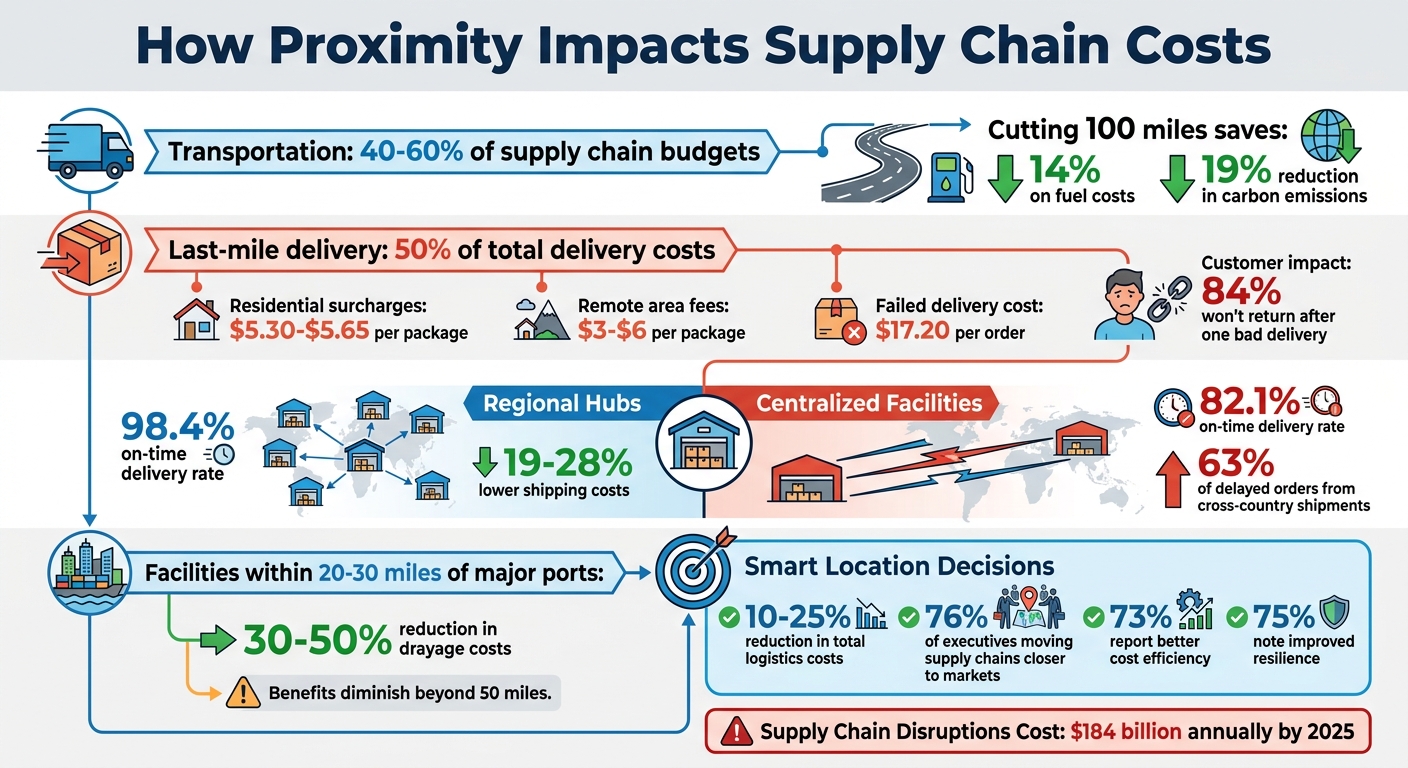
First, geography remains an immutable tax. Trans-Pacific and trans-Atlantic maritime logistics cannot match the velocity of rail and truck freight moving across the U.S.-Canada border. High-volume, low-margin goods—such as finished automobiles and perishable agricultural products—suffer a severe margin compression when forced onto container ships.
Second, market size asymmetry persists. The European Union economy, while massive, operates under internal regulatory complexities and regional economic divergence. It cannot instantaneously absorb the roughly seventy percent of Canadian exports historically destined for the United States. Replacing that volume requires years of capital expenditure on port infrastructure, LNG export terminals, and specialized shipping fleets.
Third, political execution risk is high. Trade diversification requires multi-year capital commitments from private sector actors who respond to price signals, not geopolitical manifestos. If North American trade frictions ease or if subsequent political leadership alters domestic investment incentives, private capital will default to the lowest-cost logistics pathway regardless of sovereign strategy.
Tactical Execution and Forward Outlook
Middle powers navigating a multipolar trade war cannot legislate away market gravity; they can only alter the structural incentives governing private enterprise. The Canada-Europe framework establishes the legal and financial architecture required to make non-U.S. trade economically viable at scale.
Success hinges entirely on execution speed. If critical mineral extraction projects secure financing and break ground before domestic political shifts alter priorities, and if digital and aerospace supply chains achieve true regulatory harmonization, Canada will successfully transform from a captive single-market exporter into a dual-anchored Atlantic trade hub. The strategic playbook for other resource-rich middle powers facing similar coercion will be watched closely through the lens of this structural transition.