International security architecture relies on predictable thresholds of deterrence. When political actors inject claims regarding the hypothetical deployment of strategic weapons into public discourse, analysts must deconstruct the underlying mechanics of escalation dominance, command-and-control realities, and the opportunity costs associated with extreme military options. Recent assertions by political figures regarding high-level discussions over nuclear options against Iran demand a structured examination of how modern statecraft evaluates extreme force, separate from rhetorical posturing.
The Mechanics of Deterrence and Nuclear Thresholds
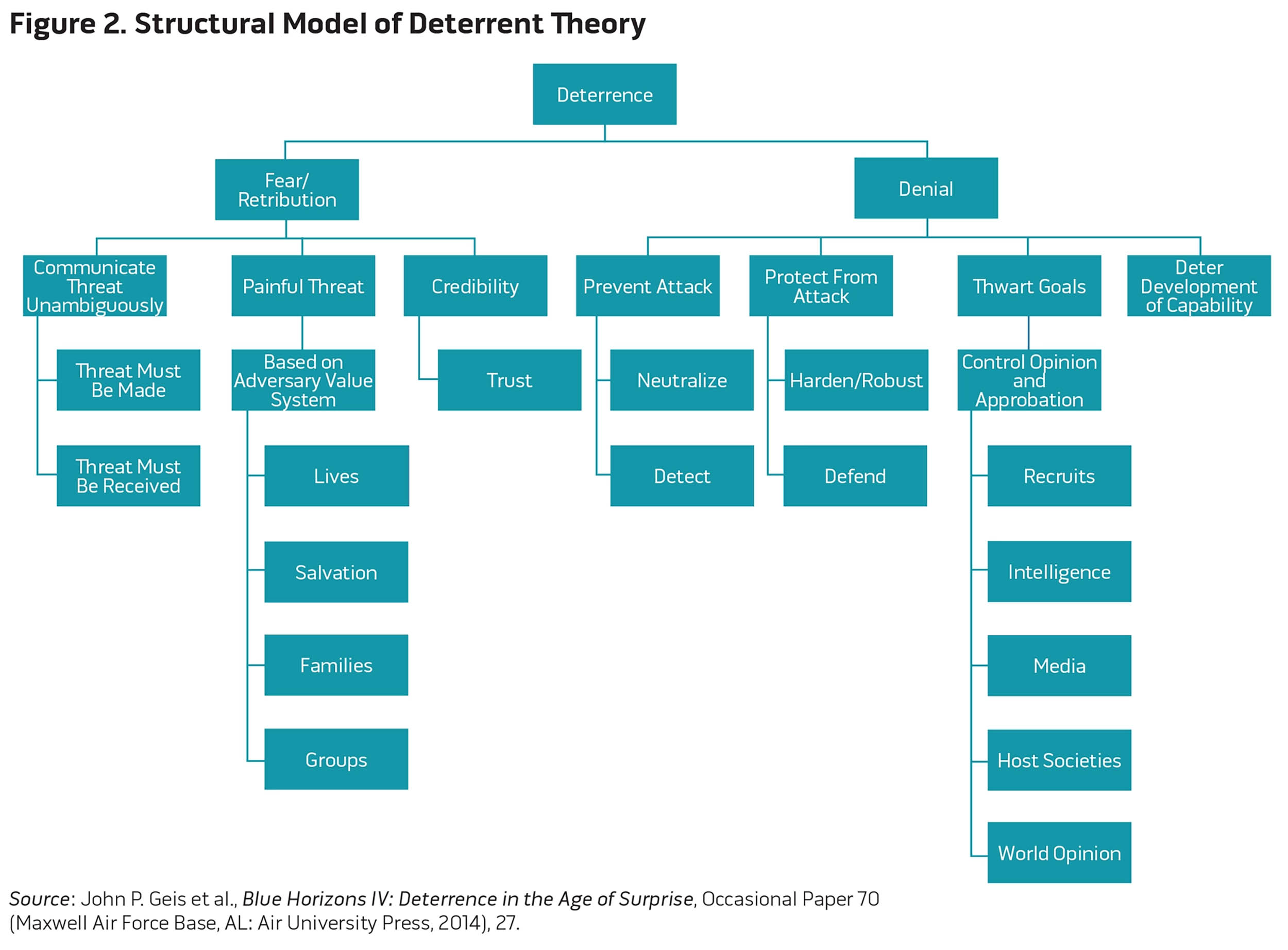
State actors maintain strategic deterrence through established doctrines of Mutually Assured Destruction, flexible response, and calculated ambiguity. Lowering the threshold for nuclear action implies a fundamental shift from deterrence-by-denial to compellence-by-punishment. In military strategy, introducing a nuclear option into a regional theater characterized by asymmetric capabilities, proxy networks, and vital maritime choke points like the Strait of Hormuz alters the structural risk equation.
The utility of a nuclear weapon in a regional campaign against non-state proxies or fortified underground infrastructure faces severe technical limitations. Deeply buried and hardened facilities, such as enrichment sites, often require specialized conventional earth-penetrating munitions rather than tactical nuclear variants, due to collateral constraints and fallout dynamics. Consequently, claims that strategic planning committees actively evaluate nuclear deployments must be measured against the actual operational doctrine codified within the Nuclear Posture Review, which restricts nuclear use to extreme circumstances to defend the vital interests of the United States and its allies.
Intelligence Asymmetry and Strategic Decision-Making
National security decisions operate on multi-tiered intelligence inputs, satellite reconnaissance, signals intelligence, and human intelligence assessments. Discrepancies between public political commentary and institutional intelligence estimates typically stem from differing risk tolerances rather than a total absence of data.
[Raw Intelligence Inputs] ---> [Threat Estimation Models] ---> [Policy Decision Window]
                                                                        |
                                         +------------------------------+
                                         |
                                         v
                               [Doctrinal Constraints] ---> [Strategic Output / Deterrence]
When external figures accuse executive leadership of ignoring intelligence assessments in favor of external allied warnings, they misunderstand the function of intelligence in crisis management. Intelligence does not dictate policy; it defines parameters. Political leadership weighs intelligence against alliance commitments, economic stability, and long-term geopolitical positioning. The friction between internal agency evaluations and executive strategy represents a normal tension within national security apparatuses during active military confrontations.
The Economic and Geopolitical Cost Function
Deploying extreme force carries exponential systemic costs that disrupt global stability functions.
- Market Shocks: Energy infrastructure concentration around the Persian Gulf means any catastrophic escalation guarantees immediate volatility in global crude supply lines, triggering inflationary spirals across industrial economies.
- Alliance Fractures: Coalition cohesion depends on shared threat perceptions. Radical shifts in military posture strain diplomatic alignments, dividing domestic political coalitions between interventionist factions and isolationist movements.
- Proliferation Cascades: The operational employment of a nuclear weapon against a non-nuclear state shatters the non-proliferation norm established over decades, incentivizing regional rivals to pursue indigenous nuclear deterrents rapidly.
These variables establish a high barrier against actual weapon deployment. The systemic blowback mathematically outweighs tactical gains, rendering nuclear use an inefficient instrument of statecraft even under conditions of severe military friction.
Navigating Strategic Signals
Evaluate official security postures through institutional policy papers, defense department budget allocations, and formal diplomatic channels rather than unverified commentary. Monitor maritime transit metrics through the Strait of Hormuz and formal diplomatic communiques to assess the true trajectory of bilateral friction.