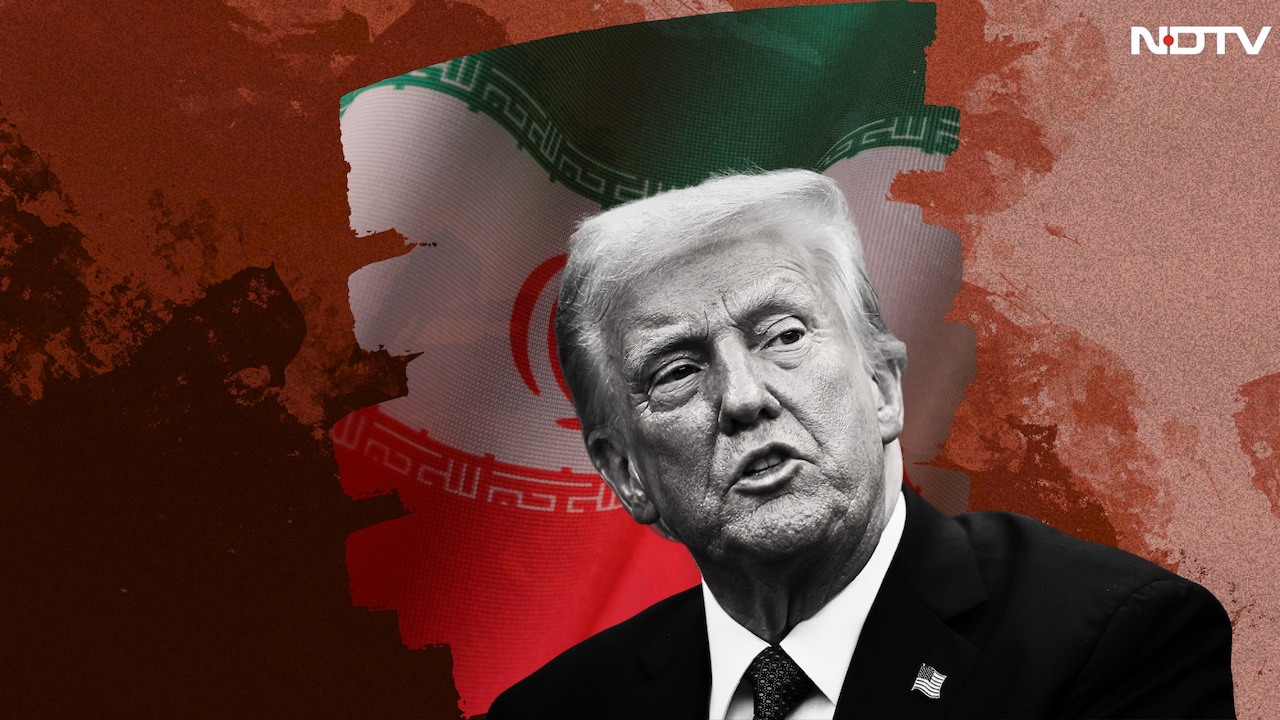
The resumption of long-range strikes against Russian petroleum processing infrastructure marks a fundamental shift in kinetic strategy. When political leadership officially endorses the systematic targeting of refinery distillation units, catalytic crackers, and blending facilities, the campaign transitions from tactical harassment to structural economic attrition. Simultaneously, international political friction, exemplified by contrasting viewpoints from figures such as Donald Trump regarding the utility and optics of these operations, introduces a secondary vector of complexity: the diplomatic cost function of strategic asset degradation. To evaluate this dynamic requires stripping away the political rhetoric and examining the core operational mechanics, supply chain vulnerabilities, and the underlying mathematical trade-offs governing both offensive aerospace strikes and defensive energy protection.
At its core, a modern oil refinery is not a monolithic fortress; it is a complex, highly integrated chemical plant characterized by continuous-flow processing. Unlike storage depots, which can be replenished or bypassed, primary distillation units and secondary conversion facilities represent critical bottlenecks within a national supply chain. The destruction of a primary atmospheric distillation column halts the initial separation crude oil into its constituent fractions. Replacing these specialized components involves prolonged procurement cycles, specialized engineering expertise, and access to advanced metallurgical technology—elements heavily restricted by international sanctions. Consequently, the operational objective of these strikes is not immediate localized fuel starvation, but the imposition of a systemic capital and logistical deficit upon the adversary's domestic distribution network.
The calculus of strategic infrastructure targeting relies on a strict cost-asymmetry principle. The marginal cost of deploying a long-range unmanned aerial vehicle or missile system is frequently orders of magnitude lower than the replacement cost and economic output value of the targeted refinery infrastructure. When an asset worth hundreds of millions of dollars, critical to both domestic fuel supply and high-value export revenue, is disabled by a low-cost platform, the defender faces a severe economic efficiency deficit. To mitigate this vulnerability, defenders must disperse air defense assets across a vast geographic expanse, creating a defensive dilemma. Protecting every point-defense target simultaneously is mathematically impossible, forcing commanders to prioritize military installations and population centers over industrial capacity, thereby leaving critical economic nodes exposed.
This structural vulnerability exposes the friction points within national energy resilience. Domestic fuel markets rely on regional equilibrium between production, refining capacity, and transport logistics. When multiple primary processing facilities experience concurrent structural damage or catastrophic fire events, regional product shortages materialize rapidly. Refineries operate on tight inventory margins; they do not maintain vast stockpiles of refined gasoline or diesel relative to daily throughput. Therefore, even a temporary reduction in distillation capacity forces immediate market adjustments, driving up domestic wholesale prices, triggering panic buying, and compelling the state to redirect fuel allocations away from commercial sectors toward priority state requirements.
The political dimension, highlighted by external opposition and diplomatic pressure, alters the strategic cost function by introducing sovereign risk and alliance management overhead. When allies or influential political figures label systematic refinery targeting as a liability or a diplomatic error, the affected state must calculate the opportunity cost of diplomatic friction against the direct military utility of the strikes. Strategic campaigns do not occur in a vacuum; they depend on sustained external provisioning, intelligence sharing, and financial support. If the friction generated by industrial targeting threatens the continuity of external aid, the operational calculus must account for potential losses in broader military resupply. This introduces a threshold where tactical kinetic gains must be weighed against strategic political capital.
Analyzing the broader macroeconomic fallout requires examining the structural impact on export-driven state revenues. Energy exporters depend heavily on refined product margins, which yield significantly higher returns than crude oil exports alone. By targeting downstream processing capabilities, the offensive campaign effectively forces the adversary to export lower-value crude feedstock rather than high-margin refined fuels. This structural down-shifting of export commodities reduces hard currency inflows, compounding the fiscal pressure exerted by broader trade restrictions. The mechanism is deliberate: erode the state's financial engine by converting high-value industrial output into low-value raw material exports.
To counter these vulnerabilities, defensive engineering strategies typically focus on hardening, redundancy, and rapid repair logistics. However, structural hardening of massive industrial columns against precision kinetic impact is cost-prohibitive and structurally impractical for facilities designed for continuous chemical processing. Redundancy requires maintaining spare capacity, which runs counter to commercial optimization principles that demand maximum utilization rates. Without excess capacity, the system operates near the threshold of fragility. When a disruption occurs, the lack of immediate substitutes transforms a localized tactical strike into a macro-level supply chain bottleneck.
The operational reality of modern industrial warfare demonstrates that economic infrastructure is as viable a domain of competition as frontline territorial control. As long as the cost asymmetry favors the deployment of long-range precision assets over defensive mitigation, structural targeting of processing facilities will remain a primary instrument of strategic pressure. The trajectory of this campaign depends entirely on the adversary's ability to absorb capital losses, adapt repair logistics under sanctions, and manage the compounding friction between kinetic objectives and international diplomatic constraints.