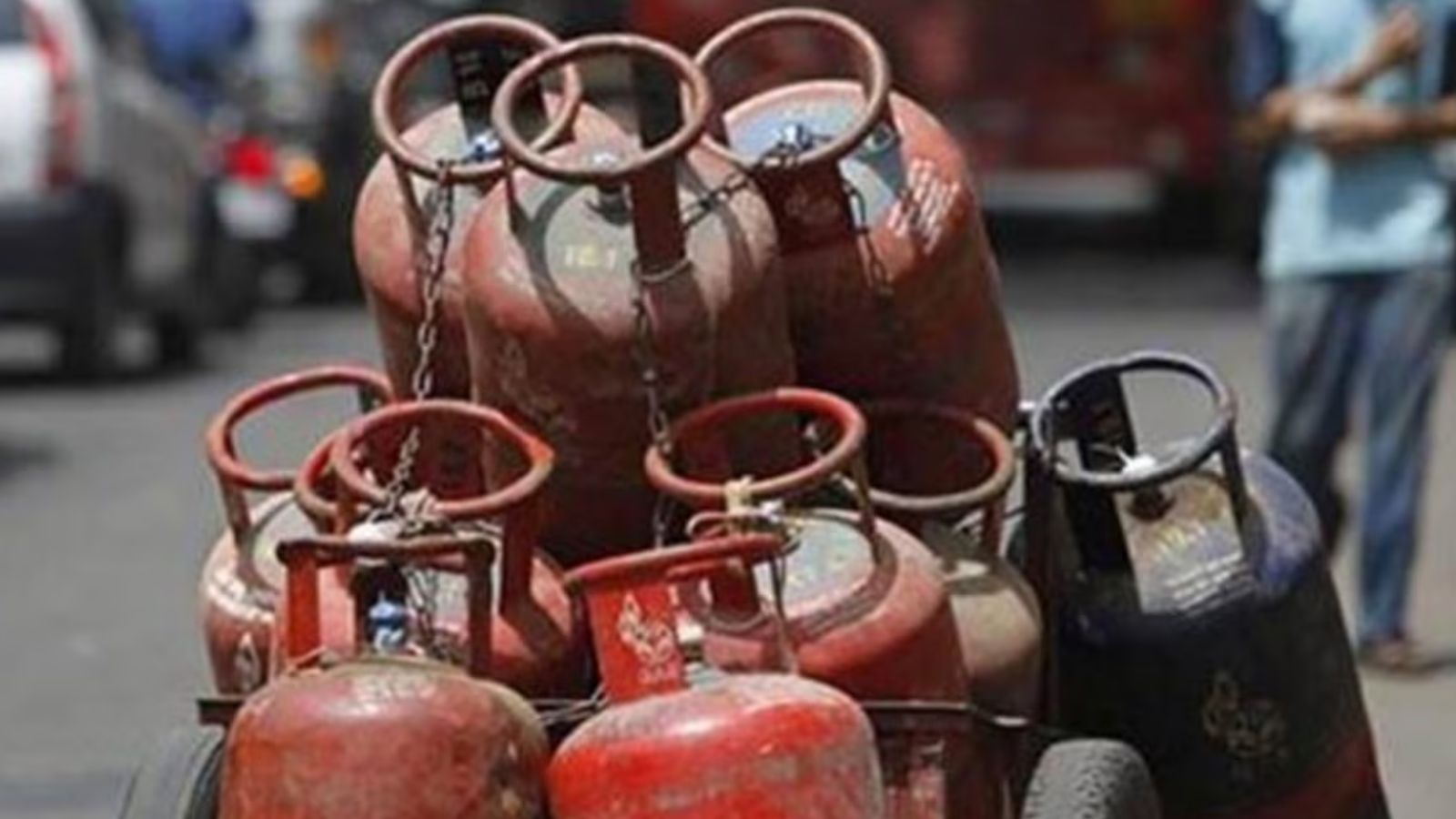
India is rapidly shifting its liquefied petroleum gas and liquefied natural gas procurement strategy away from the Persian Gulf toward the United States, driven by intensifying security flashpoints in the Strait of Hormuz. When geopolitical friction threatens the maritime jugular vein of global energy transport, long-term supply contracts mean very little. Refiners and state energy companies in New Delhi are scrambling to re-route tankers across ocean basins, absorbing higher shipping costs to insulate South Asia from catastrophic supply shocks.
For decades, the energy corridor connecting the Arabian Gulf to the Indian subcontinent felt as permanent as geography itself. Short distances kept freight rates low. Established shipping lanes allowed state-run importers to run just-in-time inventory models that optimized working capital. That comfortable era has expired. The combination of militant activity near the Bab el-Mandeb strait, recurring drone attacks on commercial vessels, and persistent naval standoffs in the Strait of Hormuz transformed a reliable trade route into a high-risk gamble.
The Anatomy of Vulnerability
South Asia imports a staggering volume of its daily energy needs. When disruption strikes the Strait of Hormuz, the shockwaves hit Indian refineries and domestic households simultaneously. Liquefied petroleum gas fuels hundreds of millions of kitchens across the subcontinent. Any sustained blockade or insurance spike in Middle Eastern waters instantly threatens domestic political stability. Governments cannot afford empty cylinders in rural districts or skyrocketing commercial fuel bills for urban small businesses.
State-owned firms like Indian Oil Corporation, Bharat Petroleum, and Hindustan Petroleum absorb the immediate blow when crude and gas flows stutter. Yet, private trading desks and procurement managers have realized that vulnerability stems from geographic concentration. Relying on a single maritime bottleneck for the bulk of national hydrocarbon imports represents an unacceptable strategic liability.
The structural shift toward North American suppliers is not merely a temporary reaction to recent naval skirmishes. It reflects a fundamental recalculation of maritime risk.
The American Alternative
Crossing the Atlantic and Pacific oceans to secure US hydrocarbons changes the economics of energy security. American export terminals on the Gulf Coast and the Sabine Pass have scaled up significantly over recent years. Permian Basin production paired with abundant shale gas supplies created a massive export engine.
Procuring American cargoes involves distinct operational hurdles. Transit times stretch significantly compared to a short voyage from Qatar or the United Arab Emirates. Chartering vessels for longer hauls ties up substantial capital and requires sophisticated freight hedging strategies. Spot market volatility in the Atlantic basin often exposes buyers to steep price swings.
Despite these friction points, the security premium justifies the logistical headache. Tankers sailing from US ports bypass volatile Middle Eastern chokepoints entirely. They navigate open ocean lanes where regional conflicts carry far less immediate danger of interdiction or sudden port closures.
Decoding the Contractual Shift
State energy buyers are altering how they write purchase agreements. Long-term destination-clause contracts that once tied Indian importers exclusively to Middle Eastern producers are giving way to more flexible destination-free arrangements.
- Flexibility over rigidity: Importers demand the right to divert cargoes mid-ocean if spot prices shift or if regional security deteriorates further.
- Portfolio diversification: Blending term contracts with spot purchases from Atlantic basin suppliers creates a functional cushion against localized supply halts.
- Indexed pricing: Moving away from traditional oil-linked formulas toward US Henry Hub benchmarks introduces a different risk profile for domestic utilities.
This transition demands massive upgrades in financial engineering. Hedging against multi-week transit exposure requires sophisticated derivative instruments that smaller domestic distributors struggle to access without state backing.
The Infrastructure Bottleneck at Home
Importing more fuel from across the globe exposes domestic infrastructure deficiencies. Indian ports were engineered to receive smaller vessels originating from nearby Gulf exporters. Expanding receiving terminals to accommodate large quantities of long-haul carriers demands significant capital expenditure.
Regasification terminals on the western coast face severe capacity constraints during peak demand cycles. Pipelines moving natural gas from coastal import hubs to industrial interiors remain incomplete. Without a dense grid connecting eastern and southern manufacturing centers to the new import terminals, localized shortages persist even when foreign tankers dock successfully.
Private sector infrastructure developers find themselves caught between ambitious national energy targets and slow bureaucratic land acquisition processes. Financing large-scale cryogenic storage facilities requires stable regulatory frameworks that can withstand shifting political priorities.
Geopolitical Realities of the Trans-Pacific Route
Redirecting maritime trade lanes alters diplomatic equations. As New Delhi deepens energy ties with Washington and Houston, traditional partnerships in West Asia face subtle strain. Balancing relationships with traditional suppliers while securing alternative arrangements requires diplomatic dexterity.
Insurance markets add another layer of friction. Marine underwriters price the risk of transiting the Persian Gulf using rapidly escalating war-risk premiums. As underwriters widen coverage exclusions, the cost of moving molecules out of the Middle East approaches parity with the longer freight cost of American imports. Insurance math quietly accelerates the pivot away from the Gulf.
Market observers frequently underestimate the physical limits of the global LNG fleet. Re-routing vessels from short-haul Middle Eastern routes to trans-oceanic routes absorbs available ship capacity rapidly. When voyage times double or triple, the effective tonnage available to the market shrinks. This dynamic keeps freight rates elevated even when underlying commodity prices stabilize.
Energy security in the twenty-first century is measured by the depth of your logistics network and the elasticity of your supply chain. The Strait of Hormuz will remain a vital artery of global commerce, but its monopoly over South Asian energy imports is breaking apart. Refiners, policymakers, and traders are learning a brutal lesson about geographic concentration, and the cost of that education is being paid at export terminals across the United States.
The next systemic disruption will not ask whether import portfolios are diversified. It will test whether the alternative routes were built fast enough to survive the storm.