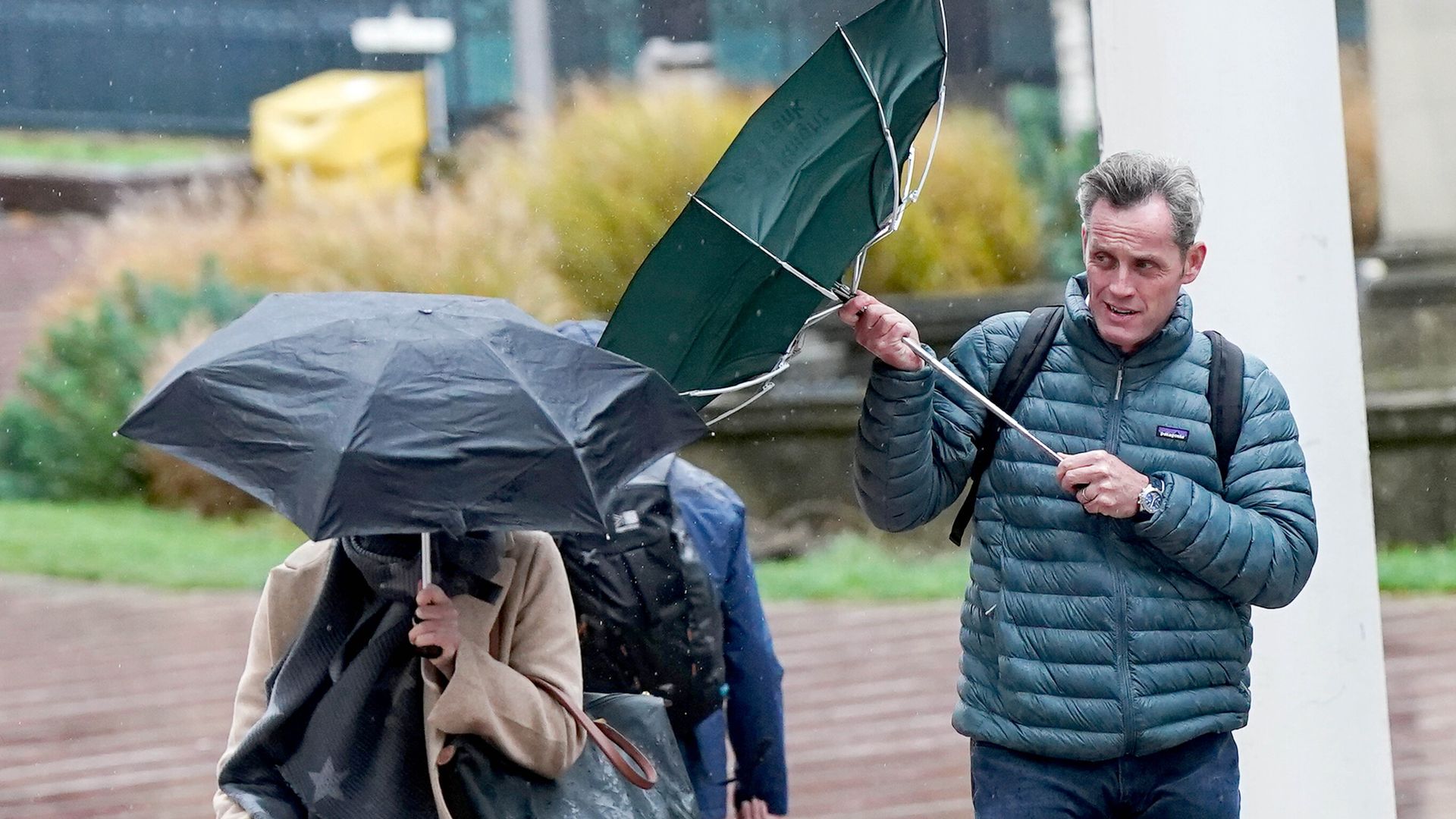
When forecasters issued an amber wind warning ahead of Storm Austen in October 2026, the alert did far more than flag gale-force gusts for southwest England. It exposed how quickly aging coastal infrastructure, overhead power lines, and rail corridors buckle when early-season Atlantic energy slams into Britain.
Routine storm previews tend to treat an amber alert as a simple countdown to bad weather. Watch the forecast, stay indoors, expect some delays. That framing misses the real story. By the time Storm Austen rolled east across southern England and into the North Sea on October 23, 2026, it had knocked out power to tens of thousands of homes, snarled rail and ferry routes, and pulled down a section of Brighton's battered West Pier into the surf—all right ahead of Storm Boelo barreling in behind it.
Why an Amber Warning Changes Everything on the Ground
Color-coded weather alerts exist to translate meteorological probabilities into operational decisions. A yellow warning flags broad possibilities and localized headaches. An amber warning shifts the equation from might to likely, signaling a higher probability of severe disruption, infrastructure damage, and potential danger to life.
When the Met Office put parts of the South West—including Cornwall, Devon, and the Isles of Scilly—under an amber wind warning ahead of Storm Austen, utility operators, transport authorities, and emergency planners had to move from monitoring to staging. Wind speeds in exposed coastal spots climbed past 70 to 80 mph, with isolated extreme reports pushing even higher.
Wind never acts alone in a deep autumn low-pressure system. Heavy rain saturates topsoil and loosens root systems. When strong gusts hit trees that still hold plenty of leaves after a dry spell, those trees turn into levers that yank down overhead cables and block single-track rural rail lines.
| Warning Tier | Operational Meaning | Typical Ground Impact |
|---|---|---|
| Yellow Warning | Broad or localized severe weather possible | Commuter slowdowns, wet roads, scattered nuisance delays |
| Amber Warning | Increased likelihood of impactful severe weather | Power cuts, fallen trees, route closures, risk to life |
| Red Warning | High likelihood of severe, widespread danger | Major infrastructure failure, acute risk to life |
Look closely at what happened during Storm Austen, and a familiar pattern emerges. The warning was targeted geographically, yet the ripple effects spilled far beyond the amber boundary. A downed branch or power fault in one pocket can cascade into speed restrictions across a regional rail network or force bottled water deliveries when a water treatment or pumping site loses grid power.
Grids, Rails, and Piers Take the Real Hit
Headlines love a dramatic wind peak. Infrastructure engineers care about sustained load and compounding stress.
During Storm Austen, electricity distribution teams worked around the clock as faults mounted across southern and southwestern England. Tens of thousands of properties lost supply at peak moments—with over 18,000 reported without power in the South West alone before afternoon totals climbed past 30,000 as the system swept across. Even when engineers reconnect hundreds of thousands of customers across a multi-day storm sequence, a lingering pocket of outages can leave households without heating or communications for hours.
Hard Lesson From the Grid: Restoring power to a headline number of homes does not mean the system is back to normal. Isolated rural feeders and coastal spurs often take the longest to clear because crews must wait for safe wind thresholds before going aloft or walking damaged lines.
Rail operators faced a similar squeeze. Speed restrictions went up along vulnerable coastal and wooded stretches, while fallen trees blocked lines from Devon and Cornwall to southern England and toward East Anglia. Once a tree comes down across a track, trains cannot simply inch past it. Staff have to verify line clearance, inspect signal gear, and clear debris—often overnight—before normal timetables can return.
Ferries and coastal crossings felt the swell immediately. High-speed sailings were cancelled when wave height and crosswinds exceeded safe operating limits. Meanwhile, on the seafront in Brighton, pounding waves tore into the rusted iron skeleton of the West Pier, sending another piece of the Victorian structure collapsing into the channel.
Why Old Coastal Structures Keep Crumbling
Watching a ruined pier give way during a storm makes for stark television. It is also a textbook example of cumulative fatigue.
Ironwork and masonry exposed to salt spray, tidal cycles, and decades of wave slamming lose strength gradually. Each moderate gale chips away protective coatings and tests corroded joints. Then a high-energy storm like Storm Austen arrives with steep waves and relentless pressure, finishing off a section that was already living on borrowed time.
Back-to-Back Storms Leave No Recovery Window
One autumn gale tests a country's patience. Two named storms stacked back-to-back test its endurance.
As Storm Austen pushed eastward out of southern Britain, Storm Boelo was already lining up to hit northern and western parts of the UK over the weekend. That sequence matters enormously in utility and emergency management. When a second system arrives within hours or a day of the first, repair crews who spent Friday clearing fallen branches and splicing lines have to redeploy before backlog work is finished.
Think about a hypothetical example of how that squeeze plays out for a local maintenance depot. Suppose a regional crew clears three blocked roads and restores a village feeder on Friday afternoon. If a second storm hits Saturday night with fresh gusts, the depot cannot treat Friday's fixes as a clean slate; every newly downed limb compounds the queue, and supply chain deliveries get delayed twice in one weekend.
That is where standard storm coverage falls short. Treating each named storm as an isolated event hides the real vulnerability of modern networks: tight recovery windows. When weather systems march in succession across late October and into winter, maintenance backlogs pile up faster than crews can clear them.
What Travelers, Homeowners, and Planners Actually Get Wrong
Most people prepare for a storm using advice they heard years ago, assuming it covers today's reality. It rarely does.
Assuming "Outside the Amber Zone" Means "Safe From Disruption"
A yellow warning or a mild forecast in your immediate town does not guarantee smooth travel or steady power. Long-distance trains rely on tracks and power equipment hundreds of miles away, and supply chains feel bottlenecks far from the fiercest gusts. If you are traveling during a named storm, checking local weather alone is a rookie mistake; check the route operator and port status on the morning of travel.
Waiting Until the Lights Flicker to Charge Up
Power cuts rarely announce themselves politely before dinner. Keeping phones and power banks charged ahead of an amber warning—and saving emergency numbers like 105 for power faults in the UK—takes two minutes and prevents real headaches later. If someone in your household relies on medical equipment or needs extra support during an outage, registering with the local utility's priority services list well ahead of storm season is essential.
Treating Storm Sightseeing as Harmless Fun
Every major coastal storm draws crowds to seawalls, cliffs, and piers to film crashing waves. That habit puts ordinary bystanders in harm's way and pulls rescue teams into preventable emergencies. Sneak waves, flying spray, and unstable masonry do not care how steady your camera hand is.
To make practical sense of an amber alert ahead of storms like Storm Austen, focus on concrete steps rather than alarmism:
- Lock in travel choices early: If a rail or ferry operator offers fee-free changes or refunds during severe disruption, decide before you are stranded halfway through a journey.
- Secure loose gear outdoors: Garden furniture, trampolines, bins, and fencing panels turn into projectiles once gusts climb past 60 mph.
- Plan for cold and dark without panic: Keep a torch, warm layers, basic non-perishable food, and a charged battery pack within reach before bad weather arrives.
Storm naming lists roll on every autumn and winter, turning atmospheric low-pressure systems into familiar characters on the evening news. Behind the names sits a straightforward test of infrastructure and judgment: whether we respect the warning early enough to stay out of harm's way when the wind picks up.
The video below shows real-world coastal storm conditions and damage in action.