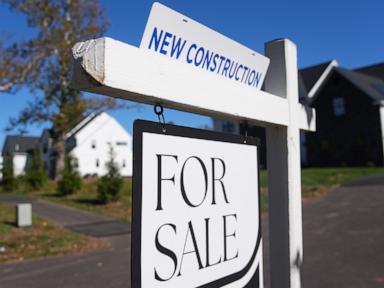
Every financial journalist in the country is currently hyperventilating over a fractional tick down in mortgage rates. The headline reads like a collective sigh of relief. A six-week high breaks, rates dip by a microscopic fraction, and the comment sections fill with exhausted buyers asking if the window is finally open.
They are missing the entire plot.
Fixating on a weekly basis movement of ten basis points is like checking the wind direction while your house is built on a fault line. The lazy consensus says high rates lock the market, low rates unleash demand, and your only job is to time the pivot. That framework is broken. It assumes housing operates in a vacuum where the cost of borrowing is the sole variable that matters.
I have watched buyers sit on the sidelines for three years waiting for a normalization that exists only in their nostalgia. They have lost hundreds of thousands of dollars in equity growth, rent inflation, and missed life momentum, all because they bought into the fairy tale that a six percent mortgage is a crisis.
History does not care about your feelings on historical averages. Let us look at the actual math, strip away the noise, and figure out why waiting for a rate cut is the most expensive mistake you can make right now.
The Myth Of The Normal Rate
We need to start with baseline definitions because financial media loves to weaponize historical ignorance. When people complain that current rates are steep compared to last year or the past decade, they are anchoring to an anomaly.
For the forty years leading up to the post-pandemic era, a six to seven percent mortgage rate was not a catastrophe. It was the furniture. It was the historical baseline. The sub-three percent rates of 2020 and 2021 were a monetary emergency response to a global economic shutdown. Treating those emergency lows as the default setting is financial illiteracy.
When you wait for rates to return to the fours, you are waiting for another systemic crisis. Central banks do not drop rates into the basement because the economy is healthy and housing is affordable. They drop rates when things are breaking. If mortgage rates plummet back to four percent tomorrow, it will likely be because unemployment is spiking, corporate earnings are contracting, and the broader economy is taking a beating.
Ask yourself: if you get your dream rate of four percent during a severe recession, do you still have a job to qualify for the loan?
The Rent Trap Disguised As Caution
The standard defense from the sidelined buyer goes something like this: "I am renting and saving my cash until the market corrects."
This is where the math turns predatory against you. Rent is a one hundred percent interest rate. You are paying a hundred percent of your shelter cost to a landlord with zero return of principal, zero appreciation capture, and zero hedge against inflation.
Imagine a scenario where you spend two years renting at three thousand dollars a month while waiting for a one percent drop in mortgage rates. That is seventy-two thousand dollars flushed down the drain. Even worse, while you sat on your hands waiting for a rate dip, home prices in most desirable metros continued to grind upward simply due to chronic structural supply deficits.
A higher rate on a lower purchase price beats a lower rate on a hyper-inflated purchase price every single time. When rates eventually do drop meaningfully, every sidelined buyer on the planet is going to flood the market simultaneously. That surge of pent-up demand will trigger a bidding war frenzy that pushes asset prices up faster than any rate reduction saves you in monthly payments.
You save on the interest rate only to pay twenty percent more for the actual brick and mortar.
The Refinance Option Everyone Ignores
The industry insider secret that agents whisper about while letting clients sweat over monthly payments is remarkably simple: Date the rate, marry the house.
Buyers treat a mortgage like a terminal diagnosis. They act as though signing a note at six and a half percent binds them to poverty for thirty years. It does not. Debt is dynamic. If you buy a fundamentally sound asset in a location with strong demographic tailwinds, you lock in the purchase price today.
If rates drop two years from now, you refinance. You pay a few thousand dollars in closing costs, drop your monthly payment, and lock in the win. If rates stay flat or go higher, you still win because you secured the asset before prices escalated further.
The downside of this approach requires brutal honesty. Refinancing requires equity and credit health. If home prices dip temporarily and you bought at the absolute peak with a five percent down payment, you might find yourself underwater, unable to refinance when rates drop. That is the real risk. That is the execution hazard.
To mitigate that hazard, you stop buying at the razor-edge of your debt-to-income limits. You put down twenty percent. You buy a property that makes sense even if you cannot refinance for a decade. You stop treating real estate like a day-trading platform and start treating it like long-term infrastructure.
The Real Estate Industry Is Gaslighting You
Why do major media outlets keep running weekly updates on minor basis-point fluctuations? Because fear and hope drive clicks.
Real estate brokerages, mortgage originators, and financial publishers need transaction volume to survive. When transaction volume freezes because buyers are paralyzed by rate anxiety, the industry panics. They feed you daily micro-updates to keep you emotionally attached to the market. They want you oscillating between despair when rates tick up and frantic optimism when rates dip by five basis points.
They are keeping you on a hook.
Step off the hook. Ignore the weekly Federal Reserve tea-leaf reading. The structural shortage of housing inventory in developed economies is not resolving itself anytime soon. Zoning laws, labor shortages, and material costs ensure that supply cannot magically catch up to demand over a six-week news cycle.
As long as more people need homes than there are homes being built, asset values will find a floor.
The Playbook For A High-Rate Reality
If you are serious about buying property, stop asking when rates are going to drop. Ask how you can structure a deal that wins in spite of them.
- Target motivated sellers: Look for properties that have sat on the market for more than thirty days. These sellers are dealing with the same rate reality you are, but they have life timelines forcing a sale—relocations, estates, divorces. Use their urgency to negotiate seller concessions, price drops, or rate buydowns.
- Use seller-funded rate buydowns: Instead of fighting for a lower price on a stubborn seller, negotiate a temporary or permanent rate buydown paid out of their proceeds. You get a lower effective interest rate for the first few years without altering the underlying purchase contract structure.
- Buy below your ceiling: If the bank says you qualify for a seven-hundred-thousand-dollar mortgage at current rates, look at five-hundred-thousand-dollar properties. Build your own safety margin into the transaction so that rate volatility becomes an irrelevant nuisance rather than a household emergency.
The market does not care about your timeline. It does not care that you missed the generational lows of the pandemic era.
Stop waiting for permission from the bond market to live your life. Buy the asset, control the variables you can actually manage, and let inflation do what it has done for centuries.