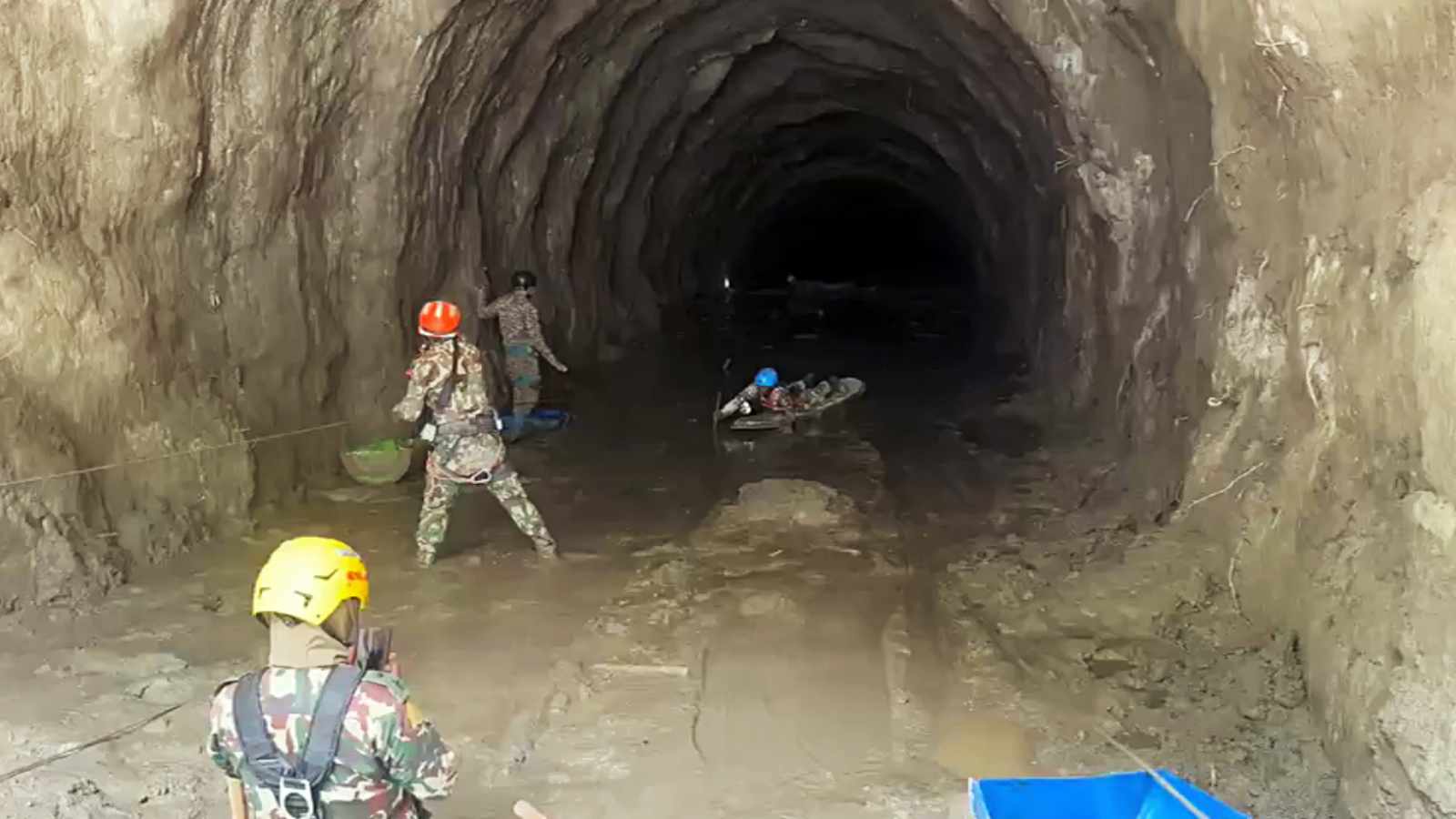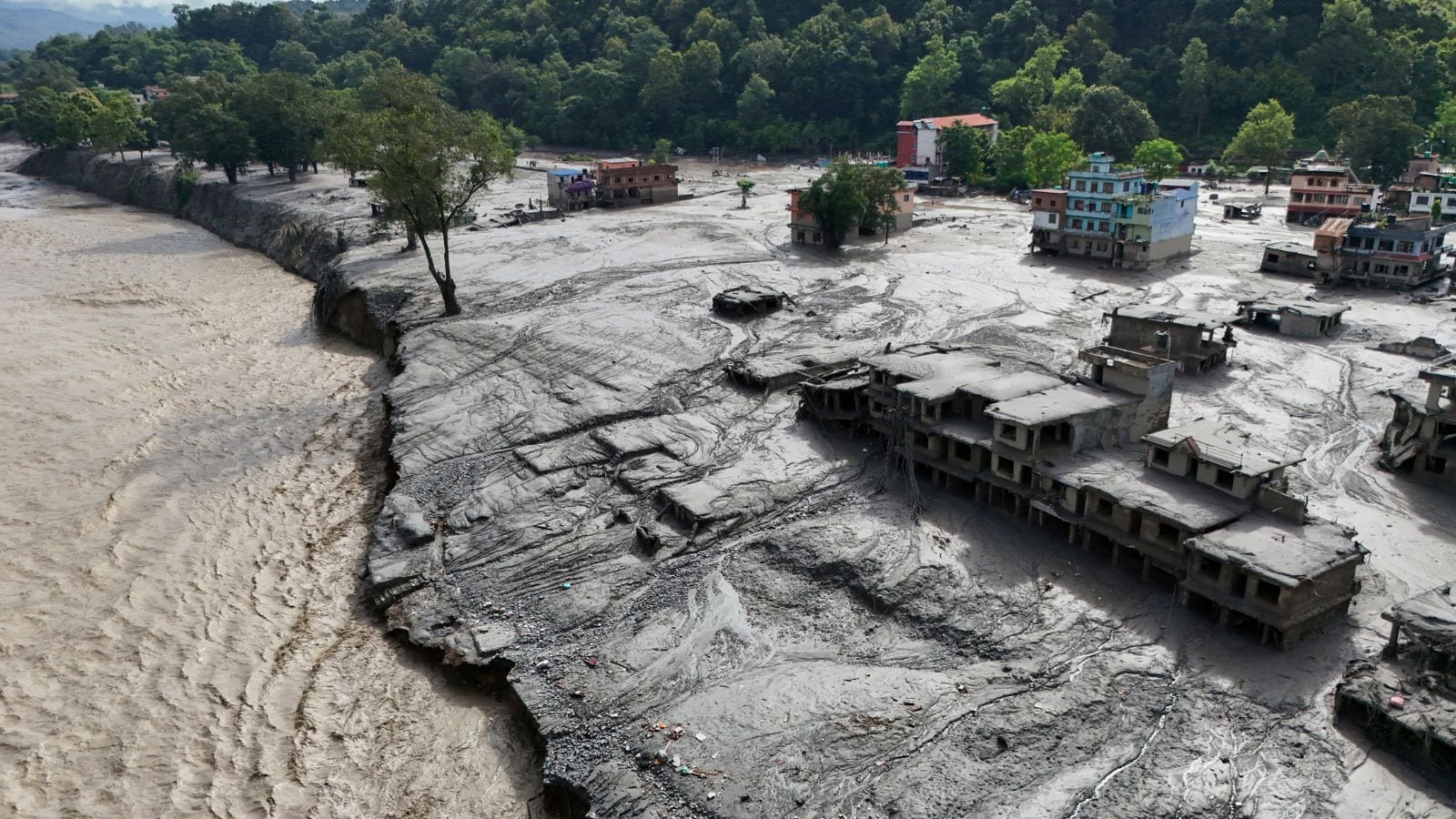
The media loves a body count. Every monsoon season, the headlines roll in with predictable, lazy horror: thousand-plus death tolls, thousands missing, heroic chopper rescues plucking people from rooftops. It is disaster porn dressed up as journalism, and it completely misses why these tragedies keep happening year after year.
We look at the recent floods in Nepal and point our collective finger at climate change or unfortunate geography. Both are convenient alibis. They let international aid agencies, local bureaucrats, and foreign donors off the hook. The lazy consensus says Mother Nature got angry, the infrastructure failed under unprecedented strain, and all we can do is throw more emergency rations at the survivors while the death toll climbs.
That narrative is a lie.
The catastrophic loss of life in Nepal is not an act of God. It is the direct byproduct of decades of unmitigated planning failures, corrupt municipal zoning, and a disaster response industry addicted to post-hoc heroics rather than preventative engineering. When a country builds its political economy around allowing unregulated concrete construction on natural floodplains, a heavy rainstorm stops being weather and starts executing a premeditated manslaughter.
I have spent years analyzing municipal infrastructure stress points across South Asia, and the pattern is always identical. Billions flow into emergency relief funds, but almost nothing goes toward the unsexy work of watershed management, zoning enforcement, and decentralized early-warning communication that actually keeps people alive before the rivers burst their banks.
The Myth Of The Unprecedented Disaster
Every time a river swallows a village, officials rush to microphones to declare the event unprecedented. They claim the rainfall volume defied historical records. This is bureaucratic self-preservation.
Look at the data from the recent monsoon cycles. The rainfall totals are high, yes, but they fit squarely within known meteorological cyclical patterns for the Himalayas. The variable that changed isn't the sky; it is the concrete on the ground. Over the past two decades, unchecked urbanization has paved over natural drainage basins, wetlands, and riparian zones around the Kathmandu Valley and regional hubs like Biratnagar.
When you pave over a sponge, water has nowhere to go. Yet, local governments continue to issue building permits in active flood channels, often driven by political patronage and speculative land mafias. Then, when the inevitable deluge arrives, the state pivots to crisis management. Helicopters fly, politicians shed televised tears, international NGOs launch matching donation campaigns, and the cycle resets.
We are funding the cleanup of man-made disasters and calling it humanitarianism.
Why Emergency Aid Is Making It Worse
Emergency response is big business. It is photogenic. It generates immediate public goodwill and secures donor funding renewals. But pouring resources into reactive rescue operations creates a dangerous moral hazard.
When local authorities know that the international community will bail them out with heavy-lift helicopters and emergency medical tents every single August, they have zero financial incentive to invest in boring, expensive preventative infrastructure. Why spend millions upgrading drainage systems, reinforcing riverbanks, or relocating high-risk settlements when the world will pay for body bags and tents after the fact?
Imagine a scenario where the international donor community froze all post-disaster funding for countries that refuse to enforce zoning laws on known floodplains. The outcry would be deafening. NGOs would scream about human rights. But within three years, municipal governments would find the political will to stop building schools and hospitals in the direct path of monsoon torrents.
Right now, our charity is an enabler. We reward bad governance with emergency cash.
The Real Fix Hides In Plain Sight
If you want to stop counting corpses after a flood, you have to abandon the obsession with rescue and obsess over displacement prevention. That requires three unpalatable shifts in how we handle Himalayan disaster management.
First, dismantle the centralized command-and-control relief model. When a flood hits, decision-making is bottlenecks in Kathmandu. By the time bureaucrats approve troop movements or chopper fuel, stranded families have already drowned. Effective flood response is inherently local. Communities need autonomous funds and cached emergency supplies stored on high ground before the monsoon begins, not flown in three days later.
Second, criminalize floodplain zoning violations. In many affected districts, the buildings that collapsed or washed away were constructed illegally within designated river buffer zones. Local politicians turned a blind eye in exchange for votes. Until negligent municipal officials face personal liability and prison time for approving construction in high-risk zones, developers will keep building death traps.
Third, stop treating early-warning systems as high-tech vanity projects. Billions are spent on complex satellite tracking that produces data too dense or delayed to help a farmer in a remote valley. What actually works are low-tech, community-managed river gauges linked to loud sirens and mobile phone broadcast networks. A village twenty minutes upstream needs to be able to scream down the valley that a wall of water is coming.
The Hard Truth About Accountability
The death toll in Nepal is not an inevitable tragedy of altitude and weather. It is a monument to systemic failure.
Until we stop praising rescue workers for pulling people out of water they shouldn't have been near in the first place, until we stop treating corrupt zoning as bad luck, and until we hold local leadership accountable for structural negligence, the numbers will only get worse. The next storm is already forming over the Bay of Bengal. The only question is whether we will keep buying body bags or finally force them to move the people to higher ground.