The narrative has become as predictable as a motherboard layout. A high-ranking executive in Menlo Park or Mountain View sits down with a journalist, sips an oat milk latte, and confesses with a touch of performative guilt: "We don't let our kids use tablets at home." The writer nods, scribbles a note about "screen-free childhoods," and publishes another piece of clickbait about the dangers of the digital age.
It is a beautiful fairy tale. It feeds the anxious parent’s ego and justifies the technophobe’s hatred of the industry. It is also completely wrong.
The assumption here is that Silicon Valley titans are shielding their offspring from a toxic plague. This is a naive misreading of reality. They aren't hiding their children from technology; they are curating a specific relationship with it. When you treat a smartphone as a digital pacifier, you get a consumer. When you treat it as an instrument of production, you get an architect of the next decade.
The "Tech-Free Home" is a luxury branding exercise, not a developmental strategy. I have worked in boardrooms where we discuss the architecture of attention, and I can tell you that the people building these tools are not worried about their children becoming "addicted" because they have spent years teaching them how to dismantle the machine from the inside.
The Myth of the Passive Victim
The common argument claims that exposure to screens is inherently damaging to the developing brain. This view relies on a flawed premise: that all screen time is created equal. It isn't.
There is a world of difference between a child doom-scrolling through algorithm-fed short-form video and a child building a server, scripting a game, or editing high-fidelity media. When you remove screens entirely, you aren't protecting a child; you are depriving them of the literacy required to navigate the reality they will inherit. You are effectively leaving them illiterate in a world where code is the dominant language.
Imagine a scenario where you ban books because you’re afraid your child will read something "confusing." You don't call that "protecting their innocence." You call that setting them up for failure. Yet, when we talk about digital tools, we applaud this archaic isolation.
Decoding the Elite Approach
The industry elite are not technophobes. They are obsessed with agency. They understand that the internet is a vast, open sea. If you don't teach your children how to sail, they will eventually drift, and when they do, the current of the algorithm will inevitably drag them to the bottom.
Instead of banning the iPad, do this:
- Mandate Creation over Consumption: If the screen isn't being used to build, code, or create, it is off. Period. A device is a workbench, not a television.
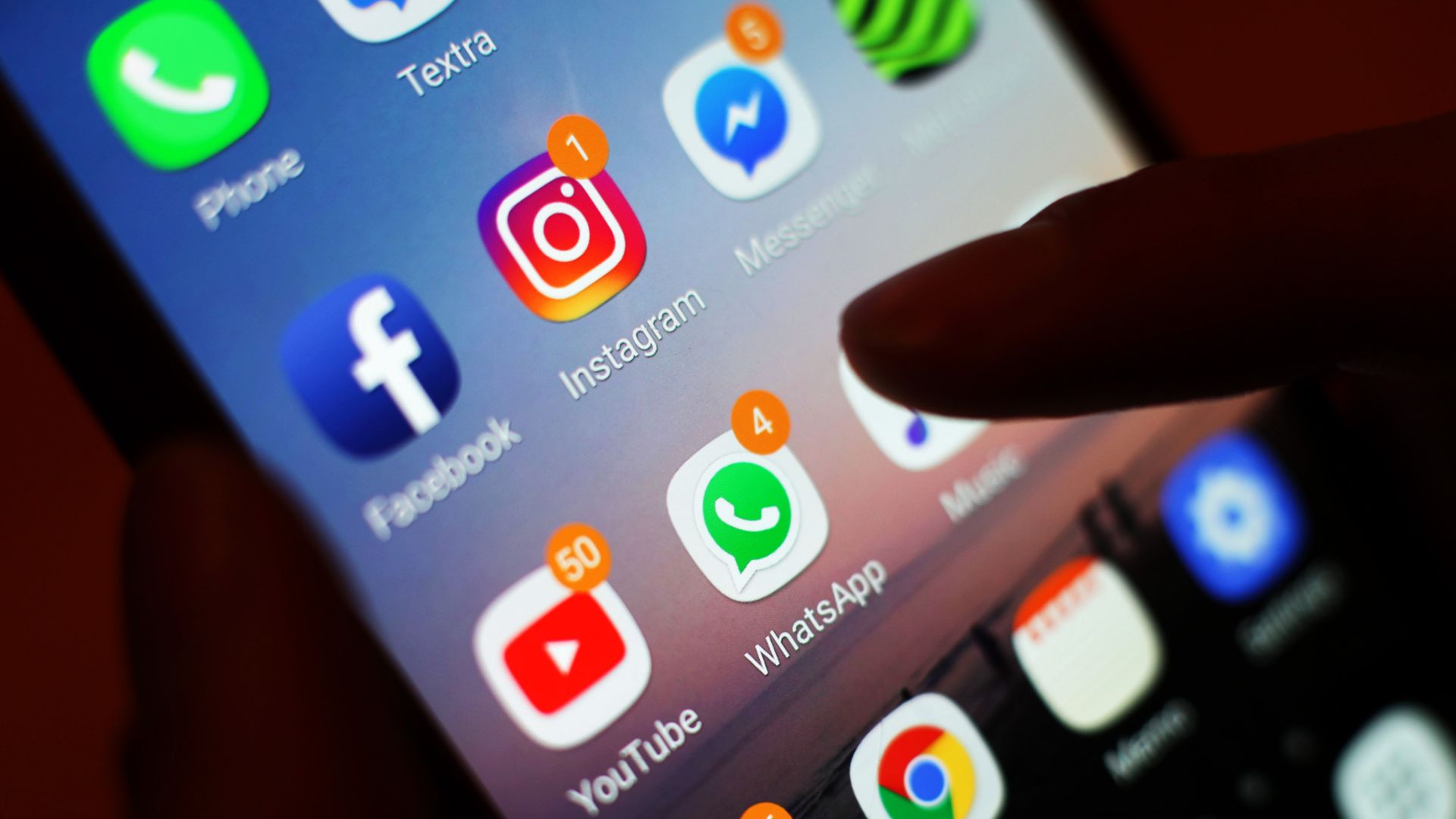
- Expose the Mechanics: Don't let your child believe that an app is magic. Show them the backend. Explain why the notification badge is red (it’s designed to trigger a biological panic response). Once they understand the psychology behind the design, they stop being the product and start being the observer.
- Control the Environment: The problem isn't the technology; it's the lack of friction. If an app makes it easy to be distracted, it’s a bad app. Delete it. Use tools that require intention.
The Fallacy of the Digital Detox
Critics love to talk about "digital detoxes" as if plugging into the real world is a revolutionary act. It isn't. It's a retreat. We are moving toward a future where the physical and digital are indistinguishable. Teaching your kids to live "off-grid" is like teaching them to live without electricity in the 1920s. It’s a quaint, unsustainable preference that effectively disqualifies them from participating in the modern economy.
I’ve seen managers blow millions on "digital well-being" initiatives that achieve nothing because they are built on the defensive. They try to curb usage through time limits and restrictive software. This is a losing battle. You cannot win against a platform that has thousands of engineers optimizing for your child’s dopamine hit. The only defense is a superior offense. You must build better habits, not just attempt to break bad ones.
The Real Danger
The danger isn't that your child will spend too much time on a screen. The danger is that they will grow up believing they are a passive recipient of whatever information is shoveled into their feed.
When you frame tech use as a moral failing, you force your children to hide their habits. You turn a tool into a forbidden fruit. That curiosity doesn't go away—it goes underground. They will use the tools, but they will do it without your guidance, without your insight, and without the guardrails that come from a transparent, constructive dialogue about how these systems function.
Stop asking if tech is good or bad for your kids. That’s a binary question for a non-binary world. Start asking how your children can command the systems that currently command them.
The devices aren't going anywhere. You can either be the one who teaches your children to wield them, or you can watch from the sidelines while the algorithm does the parenting for you.
Choose your role. The technology is already in their hands. The only thing missing is the instruction manual.