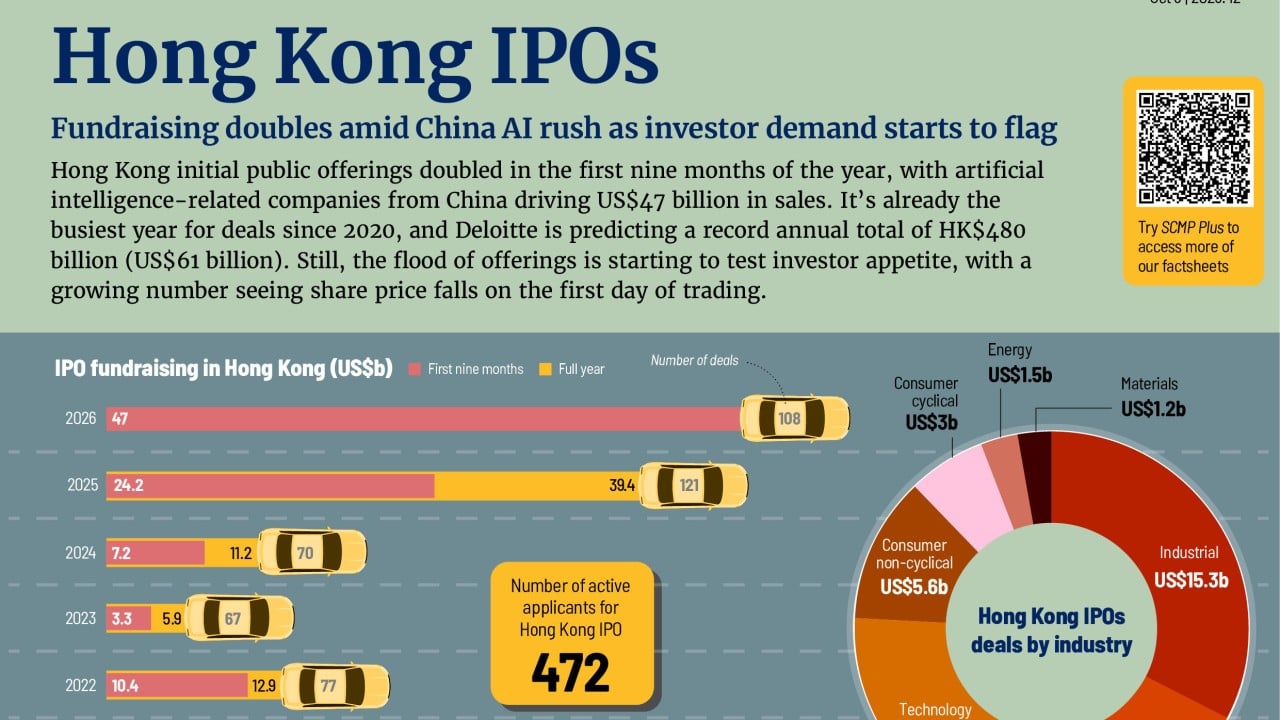
Everyone loves a comeback story, but the recent resurrection of Hong Kong's stock market is catching even veteran analysts off guard. For a few years, Wall Street wrote off the city's exchange as a fading hub choked by regulatory tightening and geopolitical crosswinds. Then came the numbers. Billions in fresh capital poured back onto the trading floor, turning what was supposed to be a slow recovery into an aggressive capital-raising engine.
If you're still looking at Hong Kong through a 2023 lens, you're missing the mechanics of why mega-listings are flocking back to Victoria Harbour. It's not just luck. It's a deliberate structural shift. Meanwhile, you can find other events here: The Glass Tower Standoff That Sparked a Quiet War for Talent.
The Dual Track Engine Driving The Surge
The real story behind Hong Kong's piping-hot market isn't a sudden wave of small tech startups. It's two massive cogs turning in tandem: the A+H share listings and specialized Chapter 18A and 18C pathways for high-tech and biotech firms.
Look at the data from the ground. In just the first half of a single recent surge, cross-border dual listings from companies already trading in Shanghai or Shenzhen accounted for more than half of all funds raised on the exchange. Mainland giants realized they needed a liquid international window
Why Hong Kong Big IPO Haul Changes the Game for Global Finance To see the complete picture, we recommend the recent report by The Wall Street Journal.
business
Money talks. Right now, it's speaking fluent Cantonese. For years, skeptics whispered that the financial hub's best days belonged to the past. They pointed to regulatory tightening, geopolitical shifts, and cooling market sentiment. They were dead wrong. Hong Kong's big IPO haul recently sent a shockwave through international markets, proving that liquidity always finds a way back to deep, resilient capital pools.
If you are trying to figure out where global wealth is moving next, you cannot ignore this resurgence. Let's look at what actually happened, why market observers missed the early signs, and what this means for anyone watching Asian equities.
The Reality Behind the Headlines
Financial journalism loves a dramatic comeback story. Headlines screamed about record-breaking listings overnight, but the truth is a bit more nuanced. The sudden surge wasn't a fluke. It was the result of a structural shift in how mainland Chinese tech giants and high-growth enterprises view secondary listings and international capital access.
When major firms choose a dual-primary listing in the special administrative region instead of New York or London, they vote with their balance sheets. They want proximity to Asian sovereign wealth, massive retail participation, and a regulatory framework that has adapted to modern capital needs.
You saw massive offerings from sectors that investors had practically written off twelve months ago. Biotech innovators, green energy pioneers, and specialized semiconductor manufacturers lined up to ring the gong. The sheer volume of capital raised caught institutional short-sellers flat-footed.
What Most Analysts Get Wrong
The lazy narrative blames the whole turnaround on temporary government policy tweaks. That misses the forest for the trees.
Policies help, sure. Tax incentives and streamlined listing approvals lower friction. But institutional allocators do not deploy billions of dollars simply because a regulator rolled out a red carpet. They deploy capital because the underlying asset quality is strong and valuations became too cheap to ignore.
For a long time, Western institutional funds were heavily underweight in the region. They let political anxiety override fundamental math. Valuations on the Hang Seng dropped to historical lows while earnings remained robust. Smart money noticed the disconnect. Once the first few mega-cap listings cleared the books with strong institutional backing, the herd mentality kicked in. FOMO is a powerful drug, even for multi-billion-dollar pension funds.
The Structural Shift You Can't Ignore
Look at who is actually buying these shares. It is no longer just domestic retail traders chasing speculative momentum. Sovereign wealth funds from the Middle East are quietly pouring cash into Asian listings, forging a new economic axis that bypasses traditional Western clearinghouses.
This diversification changes everything. When Saudi and Emirati capital flows directly into Hong Kong tech and biotech IPOs, the entire game transforms. You are looking at a multipolar financial system in real-time.
Consider the logistical advantages issuers enjoy here. Access to mainland liquidity via Stock Connect programs gives companies a dual engine that no Western exchange can replicate. You get international institutional prestige combined with voracious domestic retail demand. That combination creates an aggressive aftermarket price stabilization that underwriters dream about.
Navigating the New Market Dynamics
If you manage a portfolio or simply track global macro trends, treating this IPO wave as a temporary blubber is a costly mistake.
First, watch the lock-up expiry dates for these recent mega-listings. When early-stage venture backers and pre-IPO institutional holders reach their release windows over the next six months, expect some short-term volatility. That volatility will create entry points for patient capital.
Second, pay attention to the pipeline. Secondary listings from US-listed Chinese tech firms will likely accelerate if regulatory friction persists abroad. Every time a major brand relocates or adds a home-market anchor, the gravitational pull toward this hub strengthens.
Don't wait for mainstream consensus to tell you the trend is safe. By the time everyone agrees a market is healthy, the best valuations are already gone. Keep your eyes on the order books, track the sovereign capital flows, and ignore the noise.


