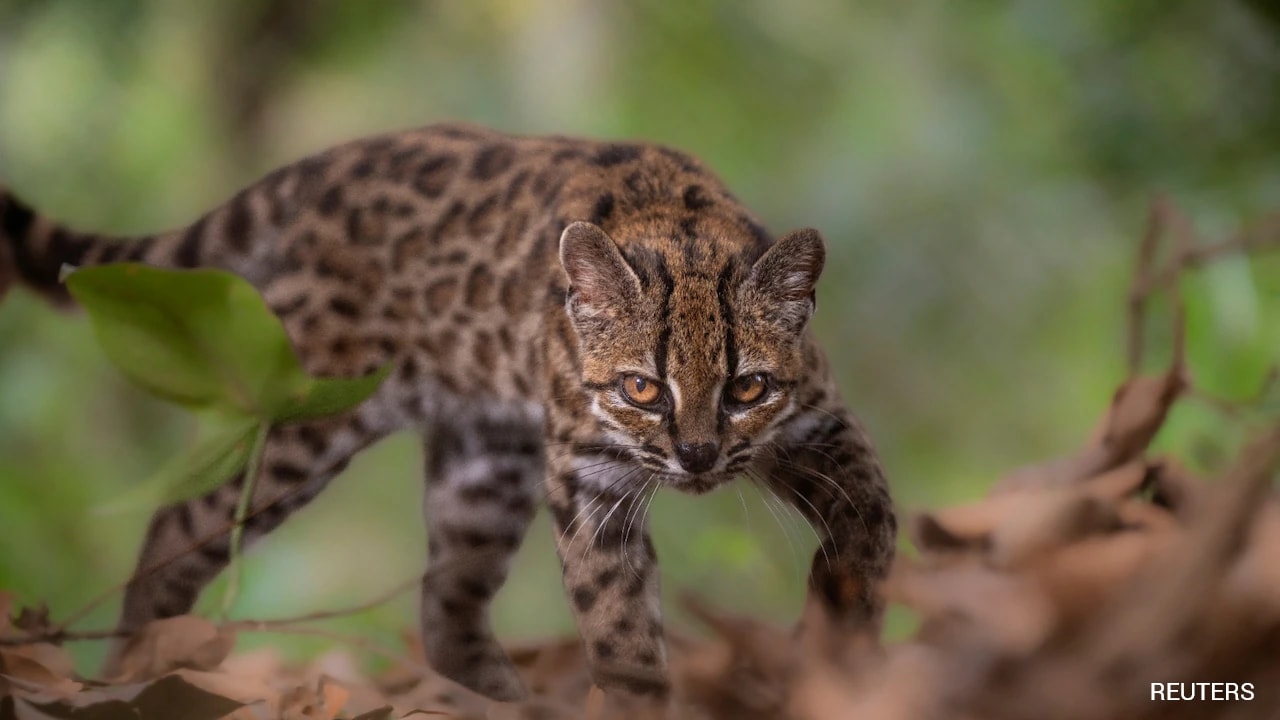
The headlines rolled out across the global press with predictable, breathless fervor. Another miraculous discovery from the wild. In a first in over a century, a brand new cat species has supposedly been identified in Bolivia. People pictured intrepid researchers hacking through pristine, untouched jungle, brushing aside giant ferns, and locking eyes with a majestic, hitherto unknown feline that looked like a cross between a leopard and a ghost.
It makes for great clickbait. It feeds the romantic illusion that the planet is still packed with hidden corners where mythical beasts roam in secret, waiting for a guy with a khaki vest and a notepad to introduce them to Wikipedia.
It is also absolute nonsense.
We did not find a new animal lurking in some secret dimension of the Andes. What actually happened is that a group of taxonomists stared at some DNA samples, played semantic gymnastics with mitochondrial markers, decided that a regional population of cats deserved a fancy new Latin name, and slapped a press release on it.
Welcome to modern conservation marketing, where a stroke of a bureaucratic pen and a reclassified bloodline get repackaged as a wildlife miracle.
The Great Taxonomic Shell Game
Let us clear up the vocabulary right out of the gate. A species is not a neat, immutable biological box handed down by the heavens. It is a human construct. Scientists have been arguing over what separates one species from another for centuries, and the goalposts move every time a new lab tech gets funding for gene sequencing.
For decades, biologists operated under the biological species concept: if two animals could breed and produce fertile offspring, they belonged to the same club. Then came the phylogenetic species concept, which lets researchers slice populations into thinner and thinner slices based on tiny genetic variations. If you look closely enough at almost any widespread animal population, you can find enough genetic divergence to declare a new species if you want to. And right now, scientists have every incentive to want to.
Taxonomic inflation is the dirty little secret of modern zoology. If you discover a new subspecies, conservation boards yawn, state budgets remain closed, and your grant renewal gets denied. But if you can convince a journal that your local cats are actually a distinct species, everything changes. Suddenly, emergency funding drops from the sky. Environmental groups launch campaigns. Politicians look like heroes for protecting the newly minted endemic treasure.
Nobody wants to fund the preservation of a boring old population of wild cats that already spans three countries. But a brand new species? That gets you on the evening news.
The Bolivia Illusion
Look at the actual mechanics of this so-called discovery in Bolivia. We are not talking about a 50-pound apex predator leaping out of a cave. We are talking about cryptic feline populations—likely variations of regional small cats like the pampas cat or Geoffroy's cat complexes—that local indigenous people have known about, hunted around, and lived alongside for generations.
To say this is a first in over a century is to insult the people who share a border with these animals every single day. The locals did not need a team of geneticists with PCR machines to tell them that the cats in the high scrub differ slightly from the cats in the lowlands. They could see it with their eyes. The only thing that happened a century ago was that European-style taxonomy drew a line on a map, and today, modern researchers decided to redraw that line to secure a headline.
When you dig into the data behind these papers, the pattern is always the same. Museum drawers are raided. Old pelts collected in the nineteen-twenties are re-analyzed. A few blood samples from roadkill or captured specimens are run through an automated sequencer. Algorithms find a single-digit percentage variance in DNA, and boom—evolutionary history is supposedly rewritten.
It is bureaucratic bookkeeping masquerading as exploration.
Why The Media Loves The Myth
The mainstream media laps this up because it requires zero critical thinking and offers a neat escape from reality. The narrative is comforting: humans are destroying the planet, yes, but look! Nature is resilient! It is hiding new treasures right under our noses!
This framing is dangerous. It turns conservation into a Pokémon card game where the primary goal is simply discovering and collecting new entries. Every time we celebrate the discovery of a "new species," we implicitly validate the idea that nature is an endless inventory of items waiting to be cataloged.
Meanwhile, the actual habitat where these cats live is being chopped down, poisoned by mining runoff, and fragmented by roads. A cat does not give a single damn whether a researcher in a lab coat classifies it as Felis novus or just a weird cousin of the local pampas cat. It cares about prey density, cover, and whether a bulldozer is coming for its den tomorrow morning.
By hyper-focusing on the taxonomic label, we play a semantic shell game while the actual ecosystem burns to the ground.
The Cost Of Categorical Obsession
I have watched organizations blow millions of dollars on genetic mapping projects to settle petty academic turf wars over whether a cat population is a separate species or a subspecies, while adjacent reserves went completely unfunded for basic anti-poaching patrols.
Splitting hairs over DNA base pairs makes for stellar CV filler, but it does zero practical work on the ground. Conservation resources are finite. Every dollar spent sequencing museum hair samples to justify a new species name is a dollar stolen from buying barbed wire fences, paying park rangers, or compensating local farmers who lose livestock to predators.
If we spent half the energy on protecting plain old, unglamorous, already-known habitats that we spend on sensationalizing taxonomic technicalities, wildlife might actually stand a fighting chance.
Instead, we get breathless PR campaigns celebrating a bureaucratic reclassification as if Mother Nature just dropped a software patch update.
The Brutal Reality Of Modern Conservation
Let us stop pretending that taxonomy equals salvation.
The cats in Bolivia, whatever Latin name some committee decides to stamp on their passport today, face the exact same threats they faced yesterday. They need space. They need prey. They need humans to stop turning their forests into cattle ranches and illegal gold mines.
Naming them something new does not feed them. It does not stop a bullet from a hunter's rifle. It does not put out a wildfire sweeping through the foothills.
The next time you read a headline about a monumental new animal discovery, check your enthusiasm. Look past the breathless PR fluff. Ask yourself whether a new creature actually walked out of the mist, or if a desk-bound scientist just got tired of losing arguments at academic conferences and decided to rewrite the rulebook to get their name in print.
Stop waiting for a magical new beast to save the world. The animals we already know about are dying out while we argue over what to call them.