For months, pundits and pollsters hyperventilated over every percentage point shift in voter participation, treating the ballot box calculus like a high-stakes predictor of a national fracture. If turnout hit eighty percent, the narrative went, separatism would surge. If it dipped, the status quo would quietly win by default.
It is time to admit that this entire framing is a lazy intellectual crutch.
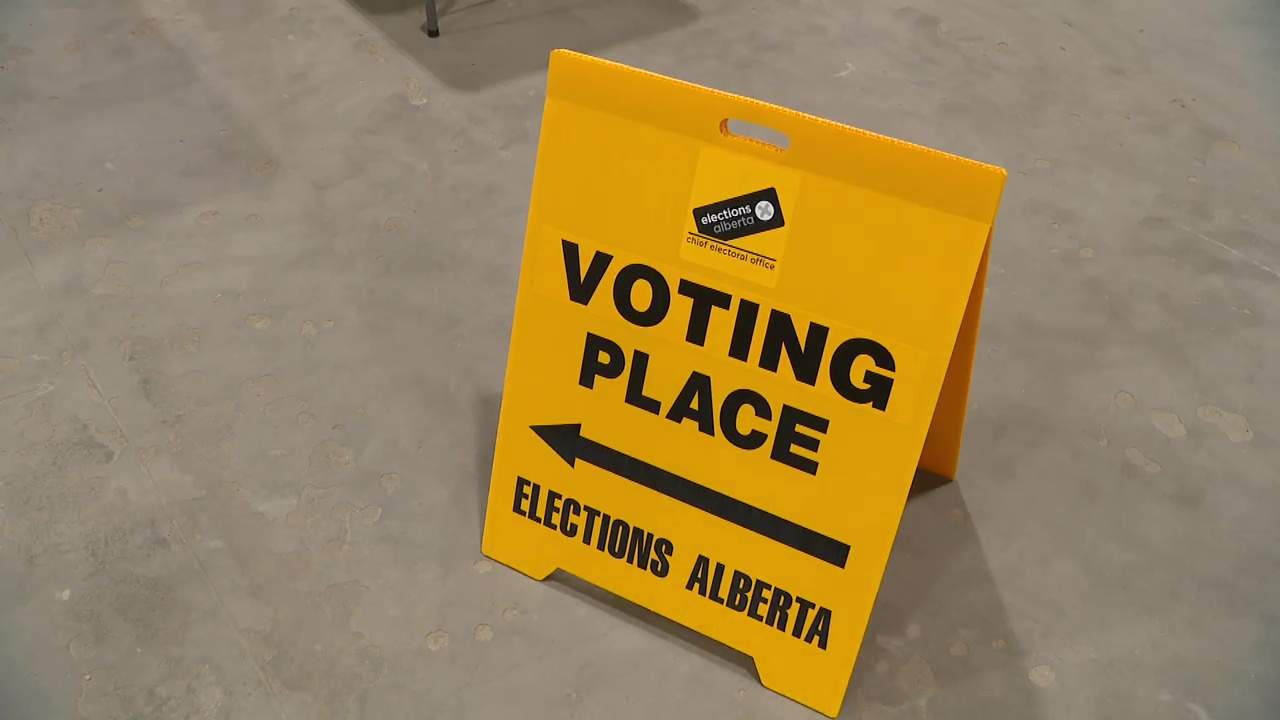
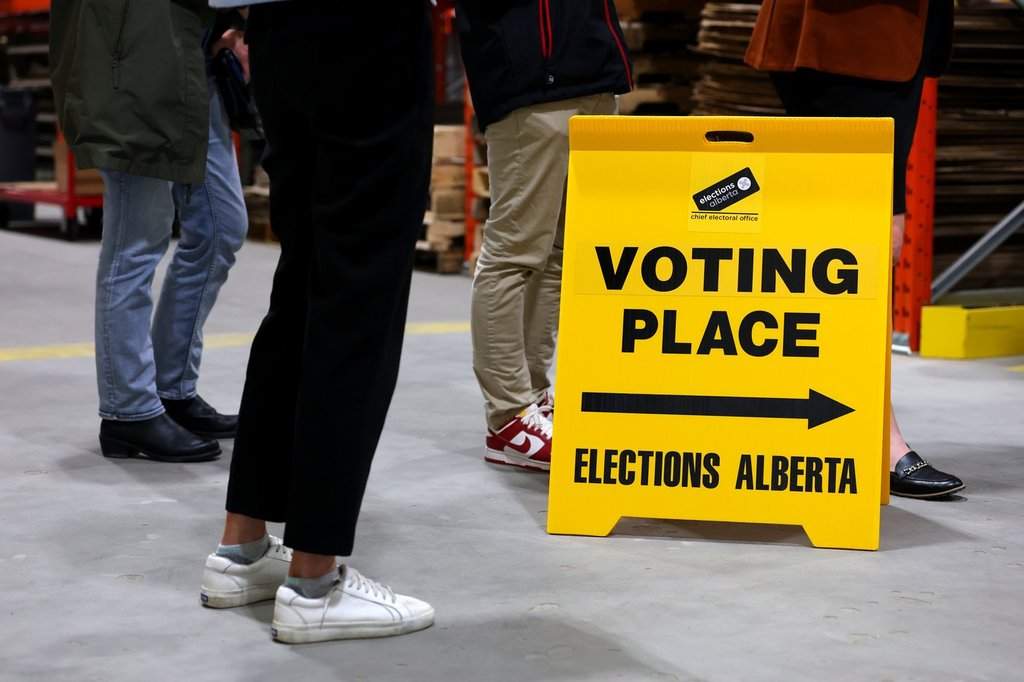
When the dust settled on Elections Alberta’s final tally, turnout hovered near seventy percent, crushing typical provincial election averages yet completely defying the doomsayer models. The results were clear: over seventy-four percent of participating voters checked the box to remain in Canada. Yet, media outlets keep analyzing the ballot drop through the wrong lens. They treat raw turnout as a barometer for ideological heat, assuming that high numbers automatically favor fringe disruption.
That assumption collapses under real-world scrutiny.
I have watched organizations blow millions chasing phantom engagement metrics, assuming that if you just get bodies through the door, the momentum shifts to the insurgents. It never does. Passive bodies do not radicalize political landscapes. In high-stakes votes, high turnout does not inherently favor the revolutionaries; it often acts as a stabilizing anchor for the majority who simply want stability over theater. The lazy consensus assumes that voters opposing the status quo are uniformly energized while defenders stay home sipping coffee. October 19 shattered that myth.
Let us define our terms precisely. Turnout is a measure of participation logistics, not an ideological proxy. When Elections Alberta faced massive administrative bottlenecks—including ballot shortages in regions like the Siksika Nation and hand-counting delays that stretched days past deadlines—the system proved that high participation stresses bureaucratic capacity without changing the underlying structural verdict.
What the pundit class missed is that the separation question was never a referendum on isolation; it was a pressure valve for economic frustration. Voters used a seventy percent turnout not to blow up Confederation, but to send a blunt message about federal overreach, equalization formulas, and pipeline bottlenecks. Treating that turnout number as a mandate for a future map redraw ignores what the numbers actually said across the other questions on the multi-part ballot. Albertans voted heavily to demand provincial control over immigration and social program access, but rejected radical systemic overhauls when push came to shove.
The real story isn't about whether people showed up. It is about what they did once they held the pen.
Consider the economic reality that academic modelers at the University of Calgary pointed out long before the first ballot dropped: even under an optimistic separation scenario, regional GDP would take an immediate, multi-billion-dollar hit. Voters understand balance sheets better than political scientists give them credit for. They did not need a lecture on constitutional law to realize that landlocked trade dependency requires practical solutions, not romantic nationalism.
So stop dissecting the decimal points of voter turnout percentages as if a two-point bump would have rewritten the constitution. The institutional machinery of Canada absorbed the shock because the economic gravity of remaining intact vastly outweighs the rhetorical appeal of separation.
The debate is over. Move on to the supply chains, trade corridors, and labor markets that actually dictate Western Canada's future.