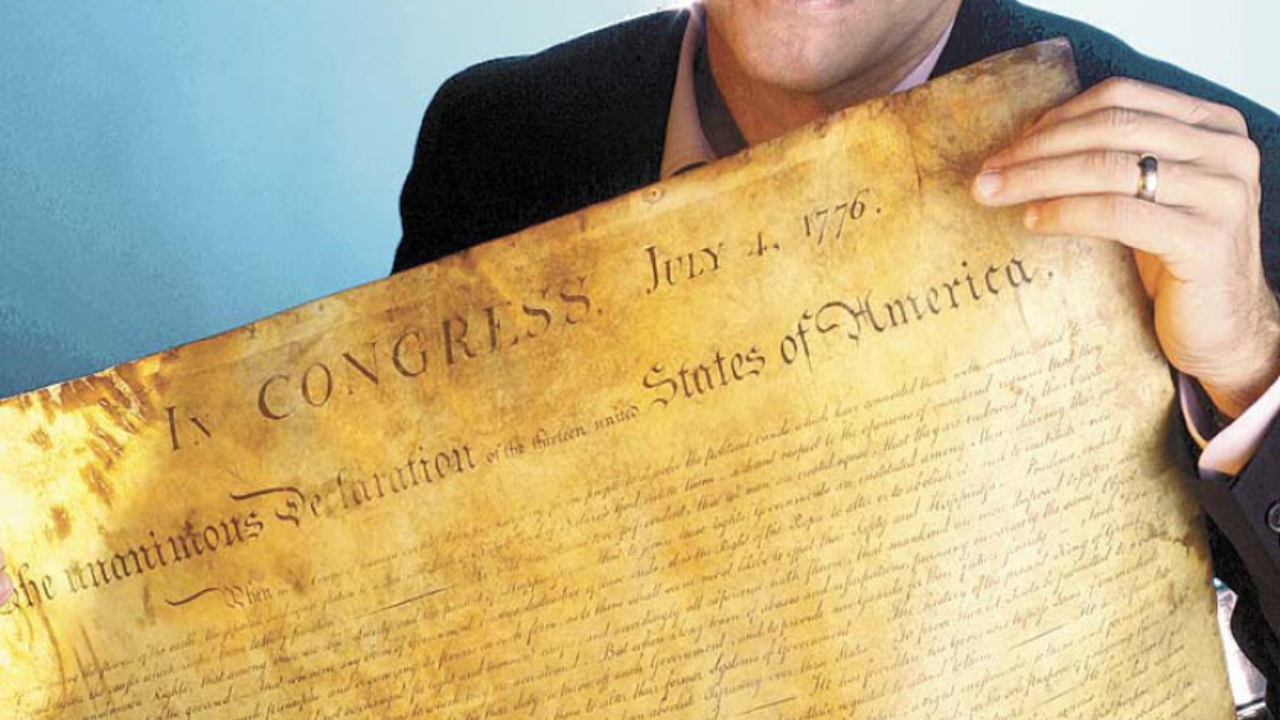
Every few years, the internet loses its collective mind over a familiar fairy tale. A guy walks into a second-hand shop, drops pocket change on a piece of yellowed paper, and walks out holding a six-figure lottery ticket. The media treats these anomalies as proof that hidden fortunes are sitting under piles of old VHS tapes and chipped mugs, just waiting for the person with the sharpest eye.
It is a comforting delusion. It turns economic sluggishness into a treasure hunt. But it is entirely backwards.
The lazy consensus says that garage sales and thrift racks are democratic goldmines where institutional ignorance creates individual wealth. The reality is much harsher. When you hunt for lottery-ticket artifacts in the wild, you are not playing a game of skill. You are acting as an unpaid appraiser and janitor for people who could not be bothered to look up what they owned.
The Economics of the Accidental Find
Let us look at the mechanics of the famous Nashville thrift store find. In 2006, a buyer picked up a rolled-up document for $2.48. It turned out to be one of the rare 1823 official William J. Stone engravings of the Declaration of Independence, commissioned by John Quincy Adams. It later cleared nearly half a million dollars at auction.
The headlines framed this as a triumph of individual intuition over corporate oversight. They ignored the actual chain of custody. Two days prior, that exact document was hanging in a local garage. The owner had bought it years earlier at a yard sale for ten bucks, got tired of looking at it, and dumped it into a donation bin because his wife told him to clear out the clutter.
That is not a market inefficiency. That is gross systemic negligence.
Expecting to replicate that kind of windfall is like quitting your job because you plan to win a scratch-off ticket. The absolute probability is close to zero, and the hidden costs will eat you alive long before you stumble across a forgotten historical artifact.
The Sunk Cost of Junk
I have watched amateur collectors blow thousands of dollars and countless weekends scouring dusty bins, operating under the dangerous assumption that volume equals edge. They treat accumulation as strategy.
Imagine a scenario where you spend ten hours every weekend crawling through estate sales, thrift stores, and flea markets for a decade. You buy hundreds of dollars worth of obscure paper goods, vintage electronics, and tarnished silver. You calculate your potential upside based on the one viral story you read online, completely ignoring the carrying costs, the storage clutter, the deterioration, and the time value of money.
When you factor in those variables, the hourly return on investment for the average thrift store speculator drops well below minimum wage. You are paying for the privilege of sorting through other people's trash.
The professional dealers do not operate this way. They do not wander aimlessly hoping lightning strikes twice in a Goodwill aisle. They control the source. They build networks with estate attorneys, probate courts, and downsizing senior communities long before the items ever reach a retail shelf or a dumpster.
Why the Myth Persists
We love these stories because they validate a fantasy: that wealth can be unlocked by accident, without capital, specialized credentials, or systematic execution.
The media pushes this narrative because it requires zero financial literacy to digest. "Man buys cheap paper, gets rich" is an easy story to tell. It masks the uncomfortable truth that real asset acquisition requires either deep domain expertise or sheer institutional access.
If an item makes it to a thrift store priced at $2.48, a primary filtering mechanism has already failed. Multiple humans touched that object, priced it, and moved it onto a shelf. The fact that they missed its value is not a sign that the system is broken in your favor. It is a sign that human error is random, and you cannot build a reliable strategy around random incompetence.
The Unconventional Playbook
Stop wasting your weekends digging through bargain bins looking for a historical miracle. If you want to deploy capital into alternative assets or collectibles, change your approach entirely.
- Specialize narrowly: Pick a single niche where you can actually master the provenance, paper stock, or manufacturing hallmarks. If you cannot spot a fake within five seconds without looking it up on your phone, you do not have an edge.
- Go upstream: Move away from retail thrift locations where inventory is picked over by algorithms and minimum-wage staff. Build relationships with the people handling estates before liquidation begins.
- Value your time: Track every hour spent hunting against your eventual net return. If your hobby pays you fifty cents an hour, it is not an investment strategy. It is an expensive distraction.
The next time you see a viral headline about a priceless relic discovered in a pile of junk, remember what actually happened. Someone threw away a fortune because they were too lazy to look it up, and someone else got lucky. That is not a business model. That is a coin flip.
Stop funding the cleanout. Build a real filter.