"Wait, SharkNinja makes that?"
Every few months, a glossy lifestyle roundup drops with that exact headline, breathlessly listing eight clever gadgets you supposedly never knew you needed. An outdoor pizza oven. A cordless portable blender. An ice cream maker that spins frozen blocks into gelato. A hyper-specific hair styler. A slushie machine.
The premise is simple: look how wildly inventive this brand is. Look how many problems you didn't even realize you had, now solved by sleek, matte-black plastic and high-RPM motors.
It is a masterclass in modern retail seduction. It is also an expensive illusion that is quietly ruining your home storage, draining your bank account, and preying on a very specific psychological blind spot.
Having spent years dissecting consumer hardware margins, supply chain consolidations, and the mechanics of direct-to-consumer appliance marketing, I can tell you what those affiliate-link roundups never mention. SharkNinja is not an engineering miracle factory inventing categories out of thin air. They are one of the most aggressive, disciplined category-colonizers in modern retail. And the "clever products you didn't know you needed" are actually a carefully engineered trap designed to turn your kitchen into a graveyard of single-use hardware.
The Anatomy of Manufactured Needs
Let’s look at the actual playbook behind those viral gadget lists.
When a traditional appliance giant like KitchenAid or Breville develops a product, they typically spend years obsessing over commercial-grade durability, heavy-duty metal gearing, and multi-decade lifespans. You buy one stand mixer, and you pass it down to your kids. That is a terrible business model if you want quarterly hyper-growth.
SharkNinja cracked a different code. Instead of building one heirloom machine that lasts thirty years, they build an ecosystem of hyper-specialized, mid-priced machines that solve micro-frustrations.
Think about the Ninja Creami. Making homemade ice cream used to require either a bulky compressor unit or pre-freezing a heavy bowl for 24 hours. SharkNinja looked at commercial Pacojet machines—used in high-end restaurant kitchens to micro-puree frozen bases—and engineered a consumer-grade version using high-torque blades that shave down a solid block of ice.
Is it clever? Undeniably.
Is it a necessity? No. It is a loud, counter-hogging unitasker that requires you to prep pints 24 hours in advance, wash multiple proprietary plastic parts, and store extra canisters in your freezer. Yet, viral TikTok videos and "best of" listicles framed it as an essential upgrade for anyone who eats dessert.
This is the lazy consensus of modern product journalism: novelty equals utility. If a machine does one specific trick remarkably well in a 15-second video clip, reviewers declare it a must-have. They completely ignore the ownership tax you pay every day after the unboxing.
The Hidden Ownership Tax Nobody Calculates
When you buy into the "clever gadget" ecosystem, the sticker price is just your down payment. The real cost shows up in three places:
- Countertop Real Estate: The average suburban kitchen has roughly 15 to 20 linear feet of usable counter space. Subtract the sink, the stove, a coffee maker, and a knife block, and you are left with maybe six feet of active prep zone. Every single-purpose appliance—whether it is an indoor smokeless grill, a rapid cold-brew maker, or a countertop slushie machine—steals square footage from your ability to actually cook real food.
- Cabinet Entropy: Once the novelty wears off—usually around week six—these machines migrate from the counter to the pantry or lower cabinets. Because SharkNinja designs aggressively sculpted housings with irregular footprints and multiple detachable shrouds, baskets, and paddles, they do not stack. Two or three of these devices will completely wipe out a standard kitchen cabinet.
- The Proprietary Parts Treadmill: Lost the specific inner sealing ring for your portable blender? Cracked the outer bowl lid on your frozen treat maker? You cannot run down to a hardware store for a standard gasket. You are locked into ordering proprietary replacement parts directly from the manufacturer, often paying a hefty percentage of the machine's original cost just to keep it functional.
I have walked through liquidator warehouses and secondary-market return pallets packed floor-to-ceiling with open-box countertop appliances. The pattern is always the same. Consumers buy the dream of effortless specialty food—barista coffee, artisan pizza, soft-serve ice cream—use the machine four times, realize the cleanup takes longer than the enjoyment, and dump it.
Why Affiliate Roundups Love Unitaskers
If these devices create so much clutter, why does every major publication run glowing lists telling you to buy eight of them at once?
Follow the incentives.
Digital media runs on affiliate commerce. When a writer publishes a list of eight clever products, every single item is tagged with a tracking link. If you click through to Amazon or a major retailer and buy a $250 outdoor electric oven or a $300 hair wrap system, the publisher takes a cut of the gross sale.
High-ticket, impulse-friendly appliances are the lifeblood of affiliate revenue. Nobody clicks an affiliate link to buy a $12 stainless steel bench scraper or a $25 cast-iron skillet they already own. They click on the shiny, motorized, multi-button contraption that promises to shave ten minutes off a niche task.
Furthermore, SharkNinja spends staggering sums on performance marketing and influencer seeding. Look at their public financial filings since spinning off from JS Global Lifestyle in 2023. Their marketing and advertising spend routinely eats up a massive slice of their operating budget—hundreds of millions of dollars poured into ensuring their products dominate social feeds and search results simultaneously. When a brand floods the zone with ad spend, editorial coverage inevitably follows the cultural noise.
What People Actually Ask (And Why the Questions Are Flawed)
When consumers start researching these viral appliances, they usually type the same questions into search engines. Every single one of those questions starts from a flawed premise.
"Are SharkNinja appliances actually good quality?"
This is the wrong question. "Quality" in consumer appliances is split into two completely different metrics: initial performance and long-term repairability.
SharkNinja excels at initial performance. Their engineering teams—spanning Boston, London, and China—are obsessive about consumer testing. They run thousands of in-home trials to make sure the out-of-the-box experience feels intuitive, fast, and powerful. Their motors run hot and fast; their heating elements ramp up quickly.
Where they fall short is long-term repairability. Heavy reliance on molded ABS plastics, integrated digital control boards, and sealed motor housings means that when a sensor fails or a plastic latch snaps out of warranty, the machine is effectively e-waste. Compare that to a commercial-style blender like a Vitamix or a classic KitchenAid mixer, where switches, brushes, and couplers can be swapped out with a screwdriver. You are trading multi-decade durability for immediate, feature-packed convenience.
"Which Ninja appliance replaces the most kitchen tools?"
Consumers love the idea of the "all-in-one" multi-cooker—the pressure cooker, air fryer, steamer, dehydrator, and slow cooker combined into one massive pod.
In theory, buying one multi-cooker saves space. In practice, multi-cookers suffer from the compromise penalty. A device engineered to trap high-pressure steam needs a heavy, sealed lid. A device engineered to crisp food via rapid air convection needs massive airflow and an open heating element. When you smash both into one chassis, you end up with a gigantic, heavy appliance with two separate lids (or a complex hinged mechanism) that does neither job quite as well as a dedicated machine. Worse, you cannot pressure-cook rice while simultaneously air-frying vegetables in the same pot. You end up bottlenecking your own dinner prep.
"Is the Ninja version better than the original brand?"
SharkNinja’s core product strategy is fast-following. Dyson launches a $600 Supersonic hair dryer or Airwrap; Shark launches the HyperAIR and FlexStyle at half the price. Ooni popularizes portable outdoor pizza ovens; Ninja launches the Woodfire Outdoor Oven with electric heating elements and wood-pellet smoke boxes.
Is the challenger version "better"? It depends entirely on what you value. If you want 85% of the flagship performance at 55% of the price, SharkNinja wins every single time. They strip out the luxury materials—the aerospace aluminum, the bespoke acoustic dampening—and give you raw functionality for less money.
However, if you are comparing their specialty gadgets against foundational kitchen tools, the challenger loses. An electric tabletop grill will never sear a steak with the thermal mass and Maillard crust of a $35 Lodge cast-iron skillet over a gas burner. A cordless mini-blender will never emulsify a sauce like a proper immersion blender.
The Counter-Intuitive Rule for Buying Kitchen Hardware
If you want a high-functioning kitchen—and a home that doesn't feel like a storage unit for charging cables and plastic attachments—you need to invert the way you shop for appliances.
Stop asking, "What cool trick can this machine do?"
Start asking, "How many times a week will I clean this thing?"
Cleanup friction is the single greatest predictor of whether an appliance stays on your counter or gets banished to the basement. A machine with four interlocking plastic baffles, a silicone gasket, and a non-submersible motorized base has a high cleanup tax. Even if it makes great smoothies or frothy cold brew, your brain will eventually calculate the effort-to-reward ratio and choose a glass of water instead.
Here is the alternative framework I use to audit any appliance before it crosses the threshold of my front door:
1. The Rule of Three Workflows
Never buy a motorized countertop appliance unless it actively improves at least three distinct weekly workflows.
- A high-powered standard blender makes morning smoothies, purees hot soups, and emulsifies dressings and batters. It earns its footprint.
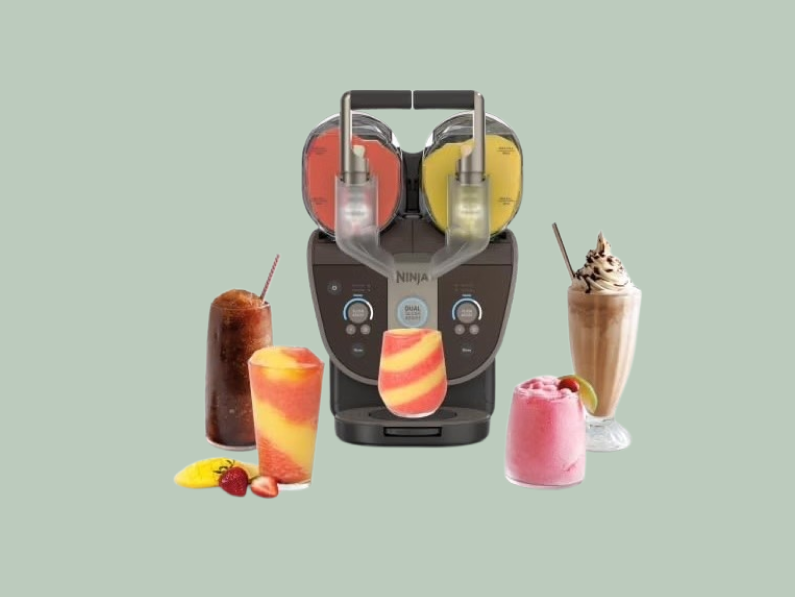
- A dedicated frozen-drink slushie maker does one thing for guests twice a month. It fails the test.
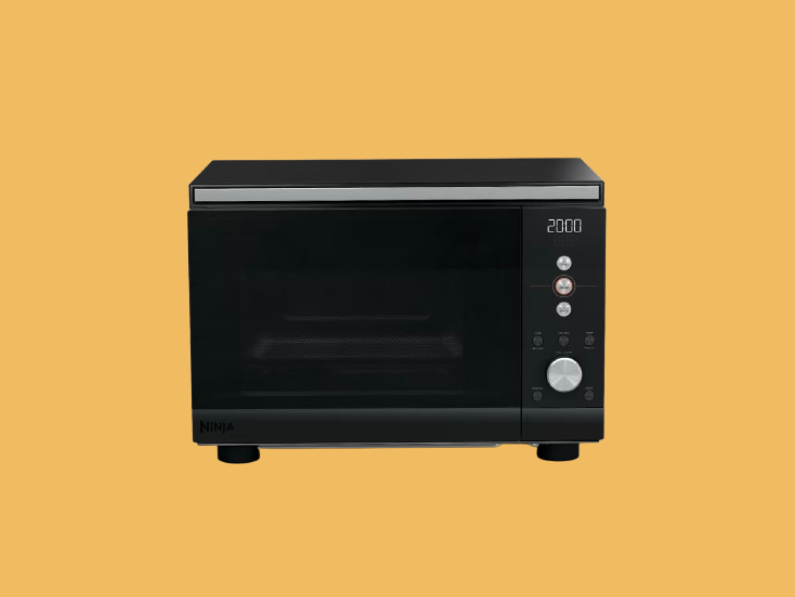
- A quality toaster oven with convection air-fry capability toasts bread every morning, roasts small batches of vegetables at night, and reheats leftovers without turning them soggy in a microwave. It replaces two appliances and earns its spot.
2. Prioritize Thermal Mass Over Digital Presets
Look at the control panel of almost any trendy appliance today. You will see twelve glowing capacitive-touch buttons: Wings, Fries, Dehydrate, Reheat, Bake, Broil, Crisp.
Those buttons are marketing theater. Inside the machine, it is the exact same heating coil and fan running at slightly different temperatures and time intervals. Manufacturers add digital presets to justify higher price tags and make consumers feel like the machine is "smart."
In reality, cooking comes down to heat transfer and thermal mass. A heavy stainless steel Dutch oven, a thick carbon-steel pan, and a reliable digital instant-read thermometer give you infinitely more control over your food than twelve algorithmic presets locked inside a plastic shell.
3. Buy the Boring Workhorse, Rent the Novelty
There is nothing wrong with wanting soft-serve ice cream on a Tuesday or wood-fired pizza on a Saturday. The mistake is thinking you need to own commercial-adjacent hardware to get it.
If you buy a $300 specialty appliance to save $8 at a local gelateria or pizzeria, you have to use that machine nearly 40 times just to break even on the hardware cost—before factoring in ingredients, electricity, and your own labor. Most people never hit the break-even point. Let local businesses absorb the equipment depreciation, the counter space, and the dishwashing while you keep your kitchen lean.
The Downsides of Minimalist Hardware (Yes, There Are Some)
To be completely fair, rejecting the "clever gadget" wave comes with real trade-offs.
First, you lose the automation safety net. If you are a busy parent juggling three schedules, a digital air fryer or multi-cooker that shuts itself off automatically when a timer hits zero prevents burned dinners. Cast-iron pans and gas burners require active attention; if you walk away to answer a phone call, your food is ruined.
Second, you sacrifice specialty textures. No amount of manual whisking or standard blending will replicate the micro-shaved ice texture of a Creami or the precise airflow curling of a FlexStyle. If a specific aesthetic or culinary texture is genuinely part of your daily routine—not an aspirational weekend hobby—then a specialized tool is completely justified.
Third, you miss out on the joy of culinary play. Cooking at home can become a monotonous chore. Sometimes, buying a weird, over-engineered gadget sparks enough excitement to get someone out of a takeout rut and back into their kitchen. If a countertop pizza oven gets your family off their phones and making dough together every Friday night, the ROI isn't measured in cabinet square footage.
How to Audit Your Kitchen Right Now
Look around your kitchen and your bathroom vanity today. Count every corded or rechargeable device that promises to make life easier.
Separate them into two groups: the daily drivers you reach for without thinking, and the aspirational trophies you bought because a listicle or a video convinced you that you were missing out.
SharkNinja built a multi-billion-dollar empire by mastering speed-to-market and convincing millions of shoppers that every minor inconvenience requires a dedicated motor and a sleek matte finish. They are brilliant at what they do.
You don't have to be the warehouse where their excess inventory ends up. Unplug the unitaskers, box up anything you haven't touched in 30 days, and take your counter space back.