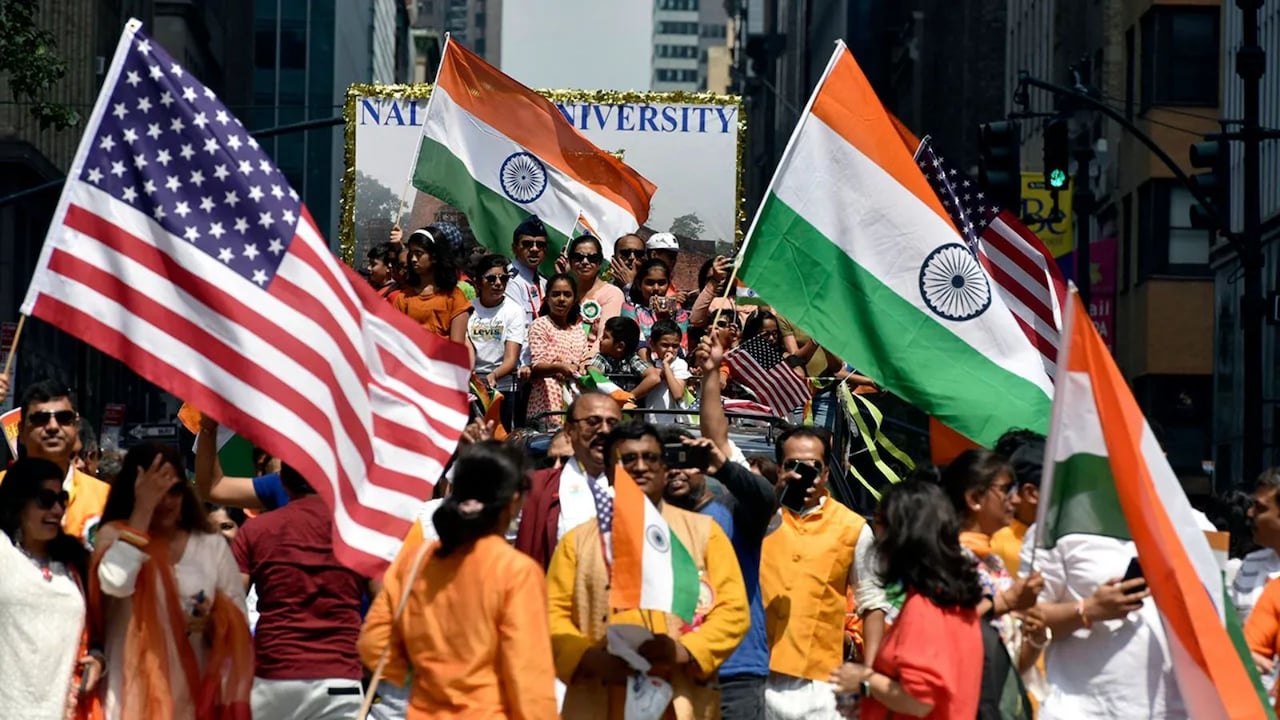
Indian media outlets love a hometown victory lap. Every time someone with an Indian-sounding surname breathes near a Western seat of power, regional newsrooms scramble to claim ownership of their success.
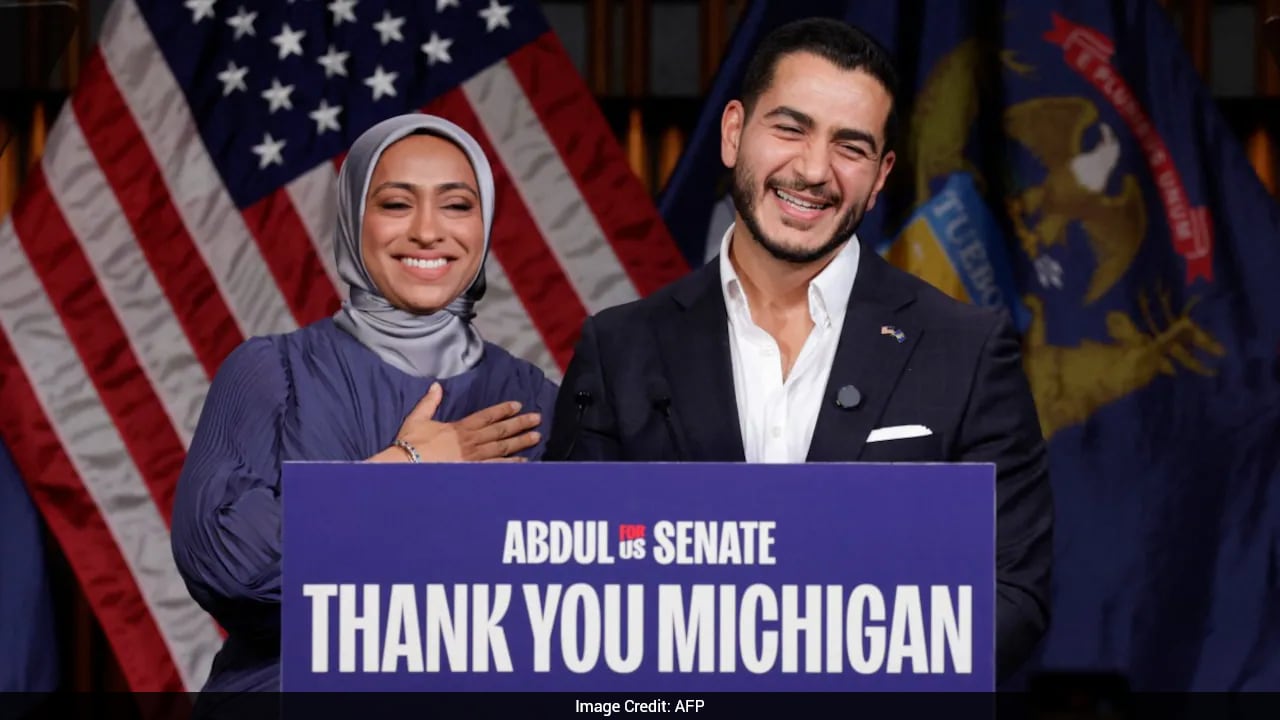
When Abdul El-Sayed entered the spotlight—or when media outlets circulated the headline about Sarah Jukaku being the wife of the "first Muslim U.S. senator" with a Karnataka link—the regional press followed the exact same predictable script. They treated her Mangaluru and Bhatkal roots like a state-sponsored triumph.
Here is the uncomfortable reality that regional coverage refuses to touch: claiming Sarah Jukaku as a Karnataka success story is lazy journalism, factually sloppy, and fundamentally misunderstands how the American diaspora actually operates.
The Factual Trainwreck Behind the Headline
Let’s address the glaring factual error baked directly into the competitor’s framing before we even touch the cultural sociology.
Abdul El-Sayed is not the first Muslim U.S. senator. As of late 2026, the United States Senate has never seated a Muslim senator. El-Sayed is a prominent physician, former Detroit health director, and high-profile Michigan political figure who ran for governor in 2018 and later pursued federal office.
When regional outlets rush to publish viral diaspora puff pieces, fact-checking gets thrown out the window in favor of local pride. You cannot build a credible narrative about geopolitical representation when you get the basic political office wrong in the headline.
Even setting the factual botch aside, the core premise—that Sarah Jukaku’s accomplishments belong to Karnataka—is an illusion manufactured for clicks.
The "Hometown Link" Fallacy
I have spent over a decade analyzing diaspora media cycles across South Asia and North America. I have watched regional publications blow massive amounts of editorial credibility chasing "local links" to global figures who haven't lived in the region for generations.
Sarah Jukaku is an accomplished American mental health professional, a clinical psychologist, and a community advocate. Her lineage traces back to the Nawayath Muslim community of coastal Karnataka—specifically towns like Bhatkal and Mangaluru. That is her heritage. It is not her formative ecosystem.
When a newspaper in Bengaluru or Mangaluru writes about a second- or third-generation American professional as if the state’s infrastructure produced them, they are committing a massive attribution error.
- Education: American universities trained her, not Karnataka’s higher education board.
- Professional licensing: U.S. clinical boards credentialed her practice.
- Political capital: Michigan grassroots organizing built her husband's platform, not Indian diaspora lobbying.
By reducing a clinical psychologist with her own independent career to "the wife with a Karnataka link," local coverage manages to do two things simultaneously: it erases her individual professional agency, and it takes credit for outcomes that American institutions actually produced.
Why Diaspora Tokenism Hurts Local Progress
You might ask: What is the harm in a little regional pride?
The harm is complacency. When domestic media celebrates the achievements of people whose families left India decades ago, it creates a psychological narcotic. It allows local institutions, state governments, and communities to pat themselves on the back for producing global talent without actually fixing the broken domestic systems that drove families to emigrate in the first place.
If Karnataka wants to claim credit for global achievers, the state needs to produce them inside Karnataka—and keep them there.
Look at the Nawayath community from Bhatkal. Historically, the Nawayaths are one of the most fascinating maritime trading communities on the Konkan and Kanara coasts, with deep historical ties to Arab traders and centuries of commercial acumen. Yet, modern coastal Karnataka faces severe brain drain. Ambitious professionals from Mangaluru, Udupi, and Bhatkal routinely leave for Bengaluru, Mumbai, the Gulf, or the United States because local civic infrastructure and economic opportunities cannot match their ambitions.
Celebrating Sarah Jukaku’s family tree while ignoring why professionals leave coastal Karnataka is pure escapism.
The Real Story Media Missed: Nawayath Resilience and American Politics
By focusing on superficial "Karnataka pride," the mainstream coverage missed the actual, compelling sociological story right in front of them.
The intersection of Sarah Jukaku’s Nawayath heritage and Abdul El-Sayed’s Egyptian-American background represents a massive generational shift in American Muslim politics. For decades, Muslim political organizing in the United States was deeply fragmented along ethnic lines. South Asian mosques rarely coordinated with Arab-American community centers. Pakistani, Indian, and Levantine immigrants operated in distinct cultural silos.
Jukaku and El-Sayed’s partnership—and their political coalition in Michigan—dismantled that old-guard segregation.
In Dearborn, Detroit, and Ann Arbor, their political machine unified Yemeni, Lebanese, Bangladeshi, and Indian-American voters under a single progressive banner. That is a fascinating case study in coalition building, identity fusion, and post-immigrant assimilation.
Yet, instead of analyzing how a coastal Karnataka heritage intersects with Arab-American political organizing in the American Midwest, local reporters settled for the journalistic equivalent of a WhatsApp forward: Look, someone famous has roots in our state!
Answering the Questions Readers Actually Have
When stories like this trend, readers inevitably search for the mechanics behind the headlines. Let’s strip away the PR spin and answer the real questions bluntly.
Does having a spouse with Indian roots actually influence U.S. foreign policy toward India?
Almost never. Domestic U.S. politicians—especially those running in Rust Belt states like Michigan—live and die by local economic issues: healthcare costs, auto manufacturing, union wages, and municipal infrastructure. A politician’s spouse having ancestral ties to Karnataka does not translate into favorable trade tariffs or diplomatic concessions for New Delhi. Assuming otherwise is political naivety.
Why do Indian media outlets obsess over distant ancestral links?
Because outrage and pride are the two cheapest currencies in digital publishing. "Local Girl Makes Good" requires zero investigative reporting, costs nothing to produce, and guarantees shares in regional family group chats. It is high-margin, low-effort content farming.
Is there any legitimate downside to ignoring diaspora connections?
Yes, and it would be dishonest to pretend otherwise. Tracing genealogical and cultural roots helps preserve endangered linguistic and cultural histories. The Nawayath dialect, for instance, is a distinct linguistic blend of Konkani, Persian, and Arabic that risks erosion among younger generations living abroad. Highlighting public figures from these communities can spark genuine curiosity among young people about their linguistic and historical roots.
The problem isn't acknowledging heritage. The problem is substituting ancestral trivia for substantive journalism.
How to Actually Cover Diaspora Stories (Without Embarrassing Your Newsroom)
If editors and writers want to stop producing hollow diaspora clickbait, they need to enforce strict editorial standards whenever a global figure with Indian roots enters the news cycle.
- Ban the "Link" Headline: If you cannot explain how a person’s Indian heritage actively shapes their current policy, business decisions, or public work, you do not have a story. Delete the draft.
- Verify the Basics First: Never copy-paste biographical claims from social media aggregators. Confirm exact political titles, current officeholders, and timelines before hitting publish.
- Center the Subject’s Own Work: Stop framing accomplished women strictly as appendages to their husbands' political careers. If you are writing about Sarah Jukaku, examine her work in clinical psychology and community health—not just who she married.
- Follow the Sociological Friction: Look for the hard truths. Explore the generational tension between immigrant parents and American-born children, the reality of brain drain from tier-two Indian cities, and how minority coalitions actually function in Western democracies.
Diaspora pride is cheap. Institutional excellence at home is hard. Until regional newsrooms stop treating every American with a South Indian surname like a state trophy, they will keep missing the real stories happening right in front of them.