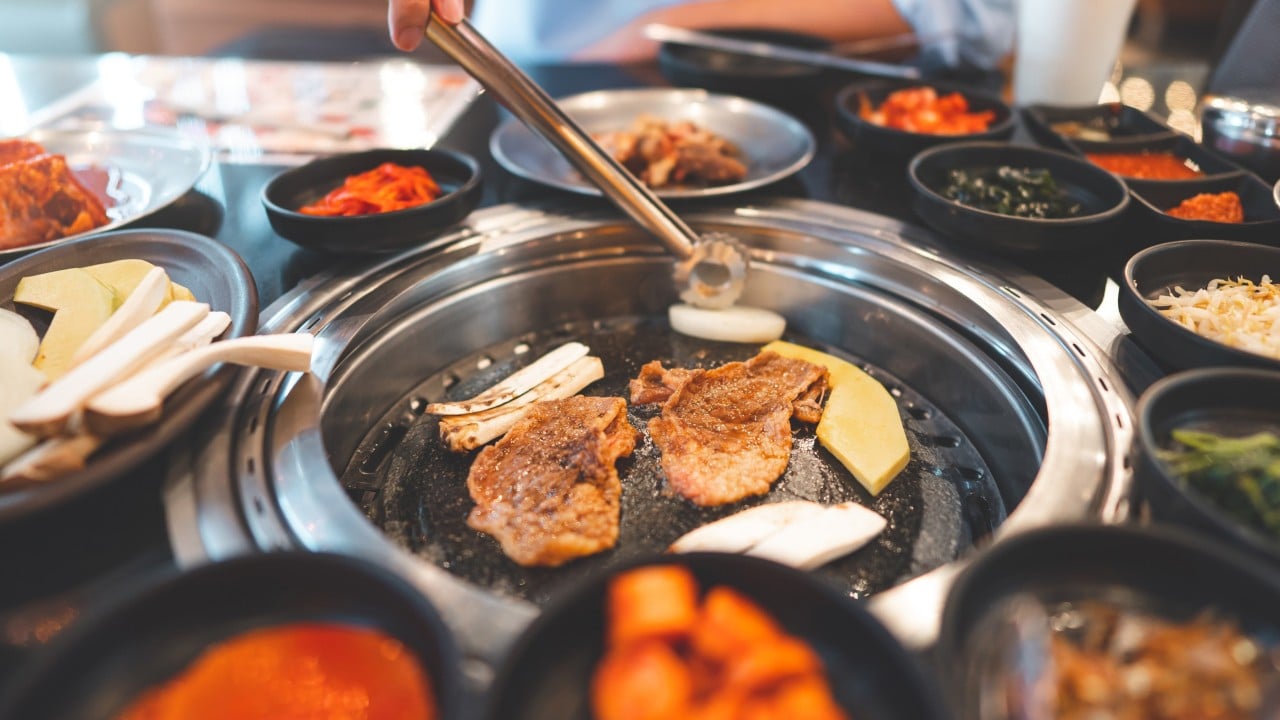
The narrative is as predictable as a rainy day in Seoul. A small restaurant owner stands in front of a shuttered shop, blaming global oil prices and the rising cost of cooking oil for their ruin. The media laps it up. It is a neat, tidy story that places the blame on external, uncontrollable geopolitical forces.
It is also largely a lie.
The "oil price crisis" is a convenient scapegoat for a structural rot that has been festering in the South Korean food and beverage sector for decades. If your business model collapses because the price of a gallon of vegetable oil or the logistics cost of a delivery truck ticks up by fifteen percent, you didn't have a business. You had a hobby that was subsidized by temporary market stability.
Global energy fluctuations are a constant. They are the weather. Complaining about them is like a sailor blaming the ocean for being wet. The real reason South Korean restaurants are dying is not found in the Strait of Hormuz. It is found in the mirror.
The Myth of the Commodity Victim
The common argument suggests that rising Brent crude prices lead to a chain reaction: higher transport costs, more expensive plastic packaging, and soaring prices for frying oil. On paper, the math seems to track. In reality, the margin of failure for these businesses is so razor-thin because of hyper-saturation and a lack of differentiated value.
South Korea has one of the highest densities of restaurants per capita in the world. According to data from the National Tax Service and various industry trackers, there is roughly one restaurant for every seventy or eighty citizens. For comparison, that is nearly seven times the density of the United States.
When you have ten fried chicken shops on a single block, you are not competing on flavor. You are competing on pennies. In a race to the bottom, the winner is still at the bottom. These owners have zero pricing power. They cannot raise their prices to reflect reality because the guy next door is willing to bleed out for six months longer than they are. Oil prices didn't kill these shops; a fundamental misunderstanding of supply and demand did.
The Rent Trap is the Real Assassin
While the press focuses on the cost of ingredients, they ignore the elephant in the room: the predatory nature of Korean commercial real estate and the "Gwonliguem" (premium) system.
In many Western markets, if a business fails, the owner walks away with their shirt. In Korea, the sunken cost is astronomical. Between the security deposit, the monthly rent that often defies the logic of the local foot traffic, and the "premium" paid to the previous tenant for the "privilege" of taking over the space, most restaurateurs start their journey hundreds of thousands of dollars in the red.
When energy prices rise, it is simply the final nudge for a business already leaning over the cliff. The fixed costs—the rent that never goes down, the labor costs that are rightfully rising, and the debt service on the initial startup loan—are the true weights. The oil price is just the gust of wind. If we actually wanted to "save" the mom-and-pop shops, we would talk about commercial rent caps and the abolition of the premium system, but that would mean upsetting the land-owning class. It’s much easier to blame a distant war or an OPEC meeting.
The Delivery Platform Parasite
Let’s talk about the hidden tax that no one wants to mention when discussing "rising costs." The rise of delivery apps like Baedal Minjok and Coupang Eats has fundamentally broken the economics of the Korean kitchen.
I have seen owners who have tripled their volume through delivery, only to find they are taking home less money than when they were a quiet, neighborhood dine-in spot. These platforms take a massive cut of every order. Then there are the delivery fees. Then there is the "ad spending" required just to show up on the first page of the app.
When oil prices go up, the delivery platforms pass that cost directly to the restaurant or the consumer. The platform never loses. The restaurant owner, desperate to maintain their ranking on the app, eats the cost. They are essentially paying for the privilege of working eighteen hours a day to enrich a tech conglomerate.
If your business relies on a third-party gatekeeper that controls your customers, your pricing, and your visibility, you do not own a restaurant. You are a ghost-kitchen employee for a software company.
The "Retired Man" Problem
There is a cultural component to this failure that the "oil price" narrative ignores. For decades, the standard path for a South Korean salaryman who gets pushed out of his corporate job in his late 40s or early 50s has been to take his severance pay and open a fried chicken or "gimbap" shop.
This is a recipe for disaster. These are people with zero experience in the brutal, low-margin world of hospitality. They buy into a franchise because it feels "safe." But franchises are designed to extract wealth from the franchisee through mandatory supply purchases—often at prices far above market rates.
Imagine a scenario where a retiree invests his entire life savings into a franchise. He is forced to buy his oil, his chicken, and his flour from the franchisor. When global prices rise, the franchisor raises the internal supply price to protect its own corporate margins. The retiree has no choice but to pay. He is trapped in a vertical monopoly.
We are not seeing a "struggle to survive" due to oil. We are seeing the inevitable collapse of a flawed social safety net that uses small business ownership as a substitute for actual pension security.
The Hard Truth About Efficiency
South Korean restaurants are notoriously inefficient. Walk into any traditional "sikdang" and you will see a menu with forty different items. This is operational suicide.
A massive menu means a massive inventory. It means more waste. It means higher energy usage to keep different stations running. It means you are susceptible to price shocks in dozens of different commodities simultaneously.
The restaurants that are actually thriving during this "crisis" are the ones that have embraced radical specialization. They do one thing. They do it perfectly. They have optimized their supply chains so that a spike in one specific commodity doesn't sink the ship.
Stop Asking for Subsidies
Every time the oil price spikes, the call for government subsidies grows louder. This is a mistake.
Subsidies are a bandage on a gunshot wound. They keep "zombie" businesses alive for another six months, preventing the market from correcting itself. When the government hands out cash to struggling restaurant owners, they are essentially subsidizing the landlords and the delivery platforms. The money flows through the restaurant and directly into the pockets of the people who are actually strangling the industry.
We don’t need cheaper oil. We need:
- Fewer restaurants: The market is over-saturated. Consolidation is necessary for the survivors to have any breathing room.
- Professionalization: We need to stop treating restaurant ownership as a fallback for the unemployed. It is a high-skill, high-risk endeavor.
- Platform Regulation: The delivery oligarchy needs to be dismantled or strictly capped.
- Rent Reform: Commercial tenants need protection from the predatory "premium" system.
The Numbers Nobody Wants to See
Let’s look at the actual breakdown. In a typical mid-range Korean restaurant, the cost of "oil-related" goods—utilities and frying oil—usually accounts for between 3% and 7% of total revenue.
A 20% spike in oil prices, therefore, represents a 1% to 1.4% hit to the bottom line.
If a 1.4% swing in costs is enough to put you out of business, your business was already dead. It was a corpse that just hadn't fallen over yet. The obsession with oil prices is a collective delusion, a way for a nation to avoid the painful conversation about its unsustainable urban economy and the fact that we have built a society where everyone is trying to sell fried chicken to everyone else.
The era of the "unskilled" restaurant owner is over. The "oil crisis" is just the cleaning crew.
Don't look for the solution in the price of a barrel of crude. Look at the lease on the wall and the app on the phone. That is where the money is disappearing. If you can't survive a 1% shift in margins, you aren't an entrepreneur. You’re a casualty of a system you never understood in the first place.
Adapt or close. Just stop blaming the oil.