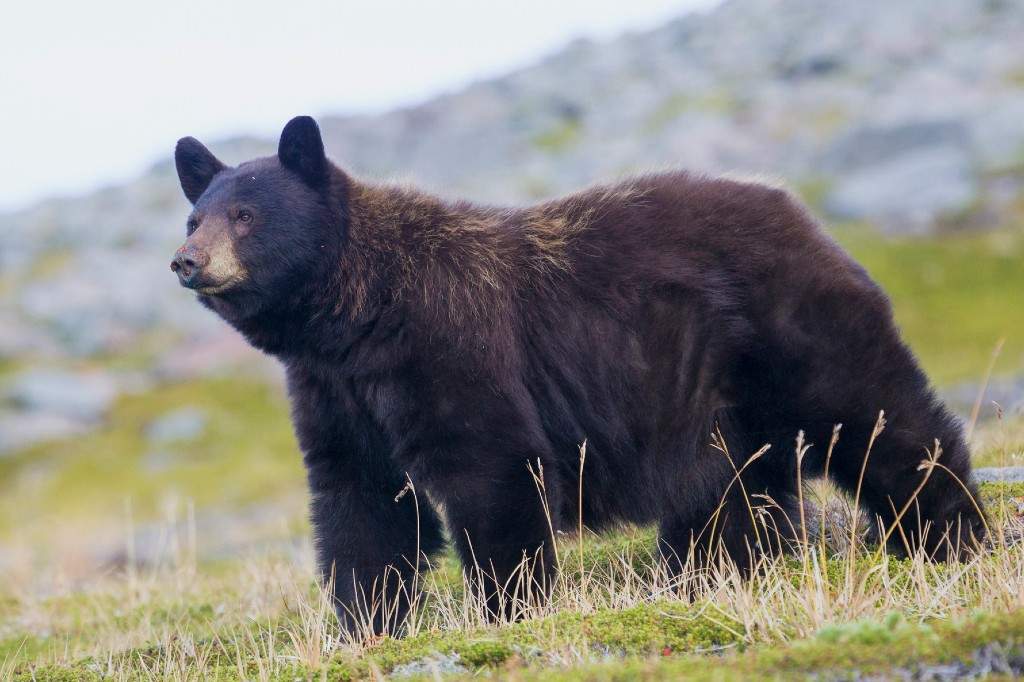
Every single time a black bear brushes past a hiker on a North Vancouver trail, the local news outlets run the exact same lazy panic porn. Headlines scream about aggressive animals, panicked hikers recount their near-death experiences, and municipal politicians immediately start whining about trail closures. The public nods along, terrified to step foot outside without a canister of bear spray strapped to their hip like a sidearm.
It is absolute theater. And it is completely wrong.
I have spent the last fifteen years managing human-wildlife conflicts in backcountry corridors across Western Canada. I have watched municipal councils waste hundreds of thousands of dollars on ineffective warning signs, culls that solved nothing, and education campaigns that treat adults like toddlers. The lazy consensus says that bears are becoming bolder, that our trails are becoming dangerous, and that nature is encroaching on our neighborhoods.
The reality is far more uncomfortable. The bears are not invading our space. We are blundering through theirs while completely detached from reality, scrolling our phones with earbuds jammed into our skulls, and then acting shocked when a native apex predator treats us like an unpredictable nuisance.
The Myth of the Unprovoked Attack
Let us clear up the core misconception right now. When a bear swipes at a human on a local route like Lynn Canyon or the Baden-Powell trail, the incident report almost always labels it an unprovoked encounter. That term is a legal fiction designed to protect the hiker's ego and shield municipal authorities from liability.
In wildlife management, an unprovoked encounter is vanishingly rare. What actually happens is a cascading failure of human awareness.
"Imagine a scenario where a commuter train barrels down the tracks while a pedestrian wearing noise-canceling headphones wanders directly across the line, staring at Instagram. When the conductor slams on the brakes, is the train aggressive?"
That is your average weekend warrior on a North Vancouver trail.
Bears possess a sensory apparatus that puts ours to shame. A black bear can smell a discarded protein wrapper from a mile away. It hears your heavy, rhythm-less footsteps long before you crest the ridge. When a bear crosses paths with a human at close range, it is not because the animal was stalking the trail like a cinematic monster. It is because you moved so silently, or so predictably ignorantly, that you cornered an animal before it had a chance to yield the path.
A swipe or a bluff charge is not a predatory attack. It is a boundary enforcement mechanism. The bear is telling you to back up. If it wanted to hurt you, you would not have survived the interaction to call the local news station.
Why Your Bear Spray is a Security Blanket
Let us talk about the gear obsession. Walk into any outdoor equipment shop in North Vancouver, and you will see racks of bear spray marketed as a magical talisman.
People buy it, strap it to their chest rigs, and immediately assume they are invincible. I have watched hikers strut down the Quarry Rock trail as if they are clearing rooms in a tactical zone, completely ignorant of how the tool actually works.
Here is the dirty secret the outdoor retail industry will never tell you: Bear spray is a tool of absolute last resort, but it is primarily used as a psychological crutch for people who refuse to pay attention.
Most hikers who carry it have never practiced drawing it from a pressurized holster under adrenaline. If a startled bear covers twenty yards in one point five seconds—which is roughly how fast they can move when motivated—you do not have time to fumble with safety clips, aim into the wind, and squeeze a trigger. You end up spraying yourself, blinding your dog, or accidentally seasoning the air while the bear jogs away in confusion.
Stop treating chemical deterrents as a substitute for situational awareness. If you need bear spray to feel safe on a suburban fringe trail, your problem is not the wildlife. Your problem is that you are walking through the woods like a ghost, blind and deaf to the ecosystem around you.
The Real Culprit Is Our Trash, Not Our Trails
If we want to point fingers at who is actually ruining the co-existence between humans and bears in North Vancouver, we need to look away from the tree line and look directly at our suburban driveways.
Bears do not hang around populated trailheads because they love the scenery. They are calorie-optimizing machines. Every single black bear involved in a high-profile trail incident has almost certainly spent the previous three weeks treating residential garbage bins as an open-format buffet.
Municipalities love to blame hikers for dropping apple cores, which is admittedly bad practice, but it is a drop in the ocean compared to the open organic waste bins lining the streets of Deep Cove and Edgemont. When a bear learns that a blue plastic bin means five thousand calories of rotting salmon skin and leftover pizza, its behavior changes permanently. It loses its natural wariness of human territory. It starts associating the smell of civilization with easy food.
Then, when that same habituated bear wanders up a greenway and startles a podcast-listening local who failed to make a sound, the resulting confrontation gets blamed on the wilderness.
It is a dishonest narrative. We create the problem bears through lazy municipal waste management and suburban sprawl, and then we punish the bears when they act like the food-conditioned urban scavengers we trained them to be.
How to Actually Share the Space
If you want to walk the North Vancouver trail network without becoming a headline, throw out the conventional advice of walking backward slowly while singing show tunes. That works in textbook scenarios, but reality is messier.
Adopt these operational principles instead:
- Kill the audio accessories: Pull the earbuds out. If you cannot hear the creek, the wind, or the rustle of brush fifty feet away, you are functionally blind to your environment.
- Announce your presence naturally: You do not need to scream at the top of your lungs, but talking to your hiking partner or breaking the silence at blind corners prevents the terror of a sudden surprise encounter for both parties.
- Secure your perimeter at home: If you live on the North Shore, your responsibility to trail safety starts in your kitchen. Lock your green bins down with ratchet straps. If your neighborhood smells like a landfill, you are personally inviting conflict into the local parks.
- Respect the retreat: If you see a bear, stop moving. Give it room to exit. Do not pull out your smartphone to chase it down the trail for a viral video. The animal wants nothing to do with you; it just wants an exit route. Give it one.
The woods are not a theme park ride engineered for your safe, sanitized, uninterrupted leisure. They are a functional, living habitat. Stop demanding that the wildlife adapt to your convenience, and start matching the competence of the environment you choose to enter.


