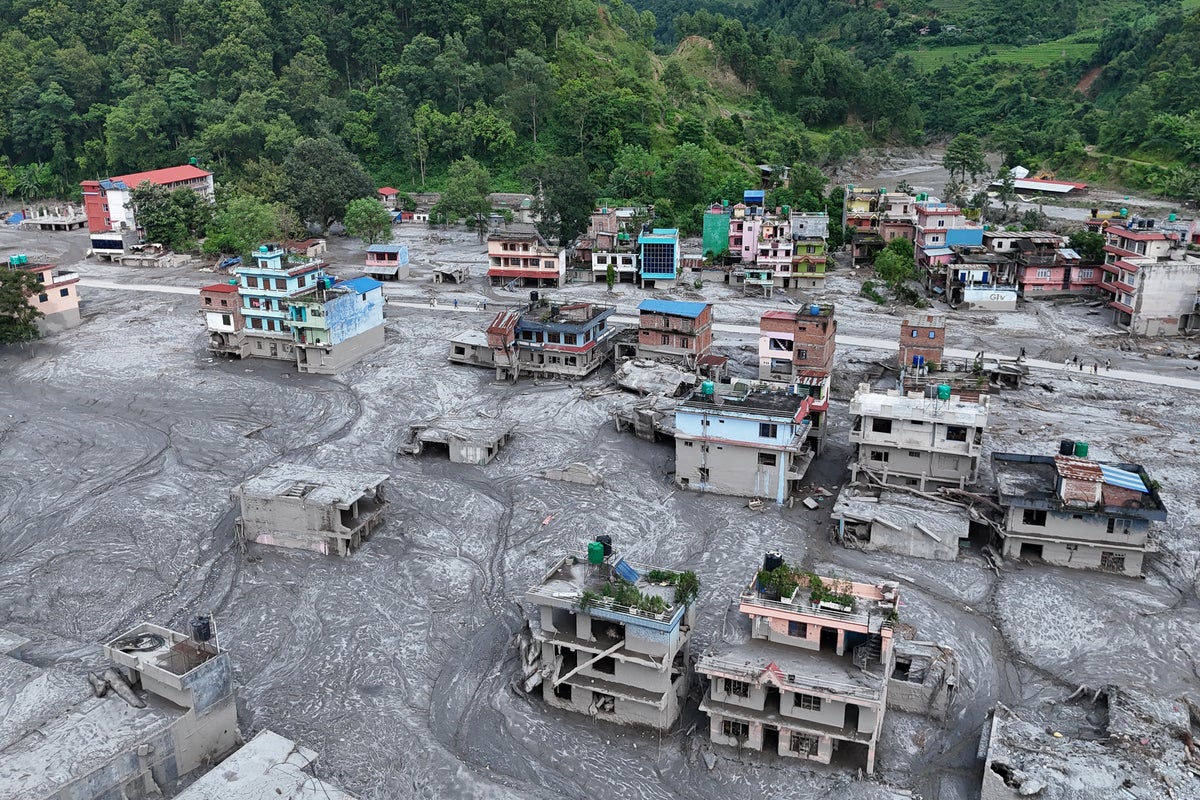
Every monsoon season, the headlines write themselves. Pilgrims vanish, flash floods wipe out access roads, and the comment sections fill with collective hand-wringing about freak weather patterns and the unforgiving wrath of the Himalayas. When an Indian-origin couple went missing during a group pilgrimage to Mount Kailash after sudden flooding on the Nepal-Tibet corridor, the media narrative immediately pivoted to tragedy and the unpredictable fury of the elements.
Let us dispense with the polite fiction.
Nature did not ambush these travelers. The monsoon in the high Himalayas does not require an investigation to understand. It arrives on schedule every single year, bringing torrential downpours, swelling rivers, and predictable slope instability. Calling these events anomalies is a marketing strategy designed to protect a multi-million-dollar religious and adventure tourism ecosystem from liability.
I have watched operators hustle tour groups through crumbling mountain corridors long after seasonal closure windows, prioritizing booking deposits over basic survival metrics. When a route collapses under three inches of rain per hour, the failure does not belong to the rain clouds. It belongs to an industry addicted to denial, operating on infrastructure that belongs in the nineteenth century while charging luxury prices for third-rate risk management.
The Illusion of Preparedness
The standard defense from tour operators is that Mount Kailash is sacred, remote, and inherently wild. You sign a waiver, you accept the altitude, you roll the dice. This is a convenient abdication of duty.
Modern high-altitude tourism in the Tibetan Autonomous Region and the Nepali borderlands relies on a fragile illusion of institutional safety. Pilgrims and trekkers see coordinated group permits, fleet vehicles, and local guides, assuming an invisible safety net backs them up. In reality, once a flash flood takes out a single bridge over the Karnali or Trisuli basins, the entire logistical chain shatters. There are no redundant communication grids, no synchronized rescue helicopters on standby for civilian groups, and zero margin for error.
Operators sell spirituality while ignoring logistics. They treat mountain safety like an administrative checkbox rather than a dynamic, high-stakes science. If you put sixty people into a narrow tectonic gorge during the peak of the active monsoon window, you are not leading a spiritual journey. You are running a statistical lottery where the house wins every time the river rises.
Why the Group Pilgrimage Model is Broken
Mass group pilgrimages to Kailash operate on herd mentality. When one person commits to a departure date booked months in advance, social pressure and financial sunk costs keep the entire group moving forward, regardless of meteorological warnings.
Imagine a scenario where a commercial airline pilot taxied onto a runway during a category-five hurricane because passengers had non-refundable tickets and vacation days approved. There would be outrage. Yet, when an agency shepherds fifty elderly pilgrims past unstable mudslide zones because cancelling the trip eats into profit margins, we call it an unfortunate act of God.
The group dynamic strips individuals of their baseline risk assessment capabilities. Pilgrims outsource their survival instincts to twenty-two-year-old local coordinators whose primary job is keeping the itinerary moving, not reading atmospheric pressure drops. When local authorities issue informal warnings, they are often treated as bureaucratic hurdles to be bribed or bypassed rather than absolute physical laws.
The Real Cost of Romanticizing Danger
We romanticize Himalayan peril. We treat survival against the odds as proof of spiritual authenticity. This cultural fetishization of hardship gets people killed.
Mount Kailash does not care about your devotion, your karma, or your tourist permit. The geography is actively eroding, tectonically volatile, and subject to extreme hydrological swings. Treating it like a theme park with spiritual branding is lethal.
Fixing this requires a complete inversion of how we approach high-altitude pilgrimage tourism.
First, seasonal hard stops must become non-negotiable. If the monsoon window turns a route into a mud chute, the trail closes. Period. No exceptions for VIP groups, no special permits for high-paying travelers, and no backdoor deals with regional fixers.
Second, real-time telemetry and satellite communications must be mandatory for every registered group crossing into remote Himalayan corridors. If an agency cannot ping its position or receive meteorological updates every two hours, their vehicles stay parked.
Third, travelers need to drop the fatalistic romance. If your tour operator dismisses heavy rains as normal mountain weather while bridges are washing out downstream, walk away from your deposit. Your life is worth more than a cancelled voucher.
Stop calling predictable disasters tragic surprises. Start holding the commercial machinery of pilgrimage accountable for the routes it chooses to walk.