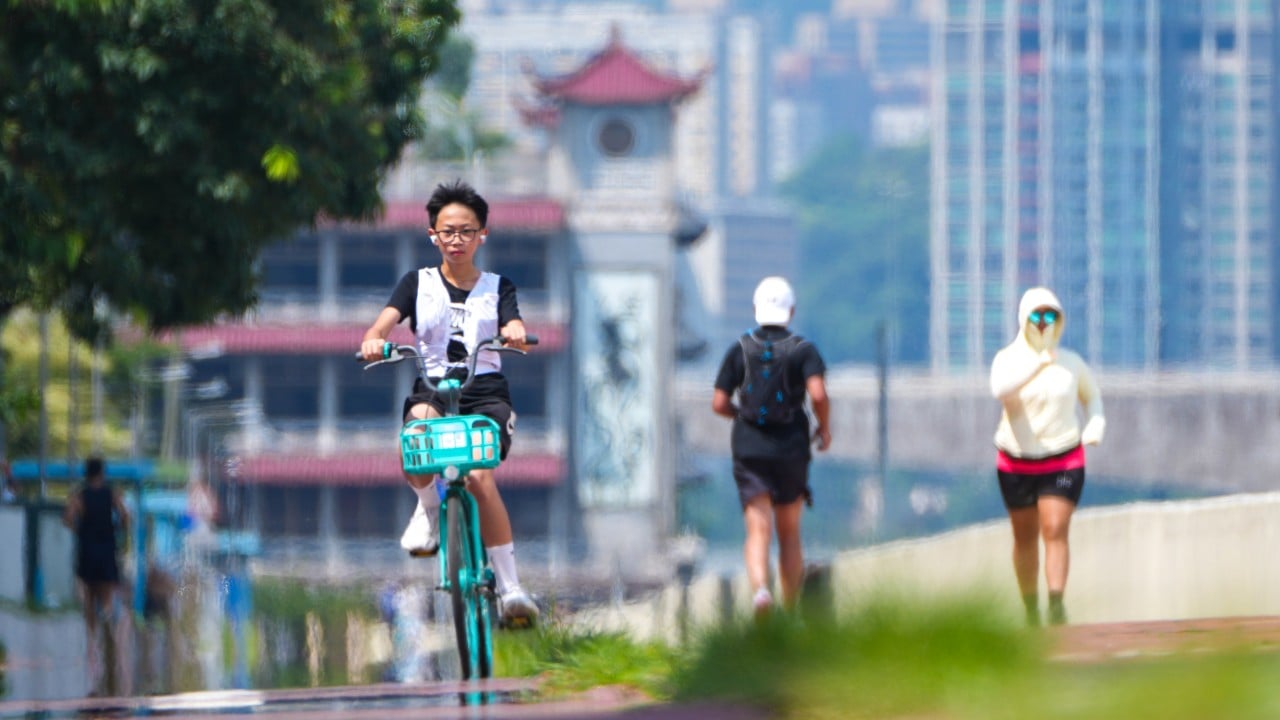
Every single year, the weather headlines across the South China Sea follow the exact same exhausting script. Temperatures tick past thirty-four degrees Celsius, humidity hovers near saturation, and local media outlets roll out the standard panic about an unrelenting heatwave before midweek thunderstorms sweep in to save the day. Office workers complain, tourists melt into the pavement around Central, and everyone acts as if a subtropical summer in Hong Kong is an unprecedented meteorological anomaly that caught an entire metropolis completely off guard.
It is lazy journalism, sloppy urban planning psychology, and an insult to anyone who understands how this city actually functions.
The heat is not the crisis. Our collective refusal to design our lives around the climate we chose to inhabit is the crisis.
For decades, I have watched corporations, architects, and residents throw their hands up in collective despair every time July arrives, treating standard seasonal humidity like an uninvited invader rather than the baseline environmental reality. We build steel-and-glass monoliths that trap solar radiation, rely on over-engineered air conditioning grids that pump thermal exhaust straight back onto the streets, and then act shocked when stepping outside feels like walking into a steam room.
Let us dismantle the prevailing panic. The narrative that an impending thunderstorm is a divine rescue mission from a week of unbearable heat ignores the mechanical reality of urban microclimates. That mid-week downpour does not fix the underlying architectural failure of our concrete canyons. It merely trades a dry furnace for a tropical swamp, dropping the temperature by two degrees while spiking the relative humidity to suffocating levels.
The Air Conditioning Trap That Is Cooking Us Alive
The first major misconception holding this city back is our absolute, uncritical addiction to indoor climate control isolationism.
Walk through any shopping complex in Admiralty or Tsim Sha Tsui during a peak August heatwave, and you will find interior temperatures locked at an arctic twenty-one degrees. This creates a thermal shock chamber effect. When your body transitions from twenty-one degrees inside a MTR station to thirty-six degrees on the uncovered concourse outside, your thermoregulatory system undergoes violent stress.
We treat air conditioning as a shield against nature when it is actually a weapon accelerating our vulnerability. Every kilowatt of cooling pumped into an overly chilled skyscraper expels massive amounts of waste heat directly into the surrounding pedestrian walkways. We are literally boiling the sidewalks to keep the boardrooms comfortable.
Industry veterans love to pretend that mechanical cooling is the pinnacle of modern progress. It is actually a crutch for bad design. Traditional Lingnan architecture understood airflow, shading, and thermal mass far better than modern glass-curtain-wall developers ever will. When you seal a building in reflective glass without adequate external brise-soleil shading, you are inviting a greenhouse effect that no chiller plant can sustainably combat without massive carbon penalties.
Why The Midweek Storm Narrative Falls Apart
Meteorologists and headline writers salivate over the transition from high pressure to convective thunderstorms. They frame the midweek break as a meteorological reset button.
Data tells a different story.
When a typical Hong Kong summer squall hits after days of stagnant heat, the sudden drop in barometric pressure combined with torrential rainfall creates a severe urban heat island flash point. The trapped asphalt heat beneath the surface vaporizes the rainwater instantly, converting the street level into a pressurized laundry dryer.
If you look at the actual physiological strain index during these transition days, respiratory distress and heat exhaustion incidents often spike not during the peak of the sunny heatwave, but during the humid, windless aftermath of the storm when the trapped moisture refuses to dissipate. The storm does not cool the city; it merely redistributes the thermal burden into the air we breathe.
Rethinking Urban Survival
To break the cycle of seasonal whining, we have to stop treating weather as an event that happens to us and start treating it as a constraint we must engineer around.
Stop running indoors at the first sign of a thermometer climbing past thirty degrees. Acclimatization is a biological reality that air-conditioned isolation has atrophied in the modern urbanite. When you spend twenty-four hours a day in sterile, artificial environments, your body loses its natural capacity to manage mild thermal stress.
Architects and developers need to face a hard reckoning: the glass-box aesthetic is dead in the Pearl River Delta. If your building requires massive energy subsidies just to keep the lobby habitable in August, your design has failed its primary environmental audit. We need breathable facades, deep overhangs, wind-corridor zoning that actually respects the natural topography of the hills, and green roofs that absorb solar radiation instead of bouncing it into neighboring properties.
The weather in Hong Kong is not changing its mind just because you complained on social media about the humidity. Stop waiting for the midweek thunderstorms to give you permission to live your life.
The heat is the baseline. Build better.


