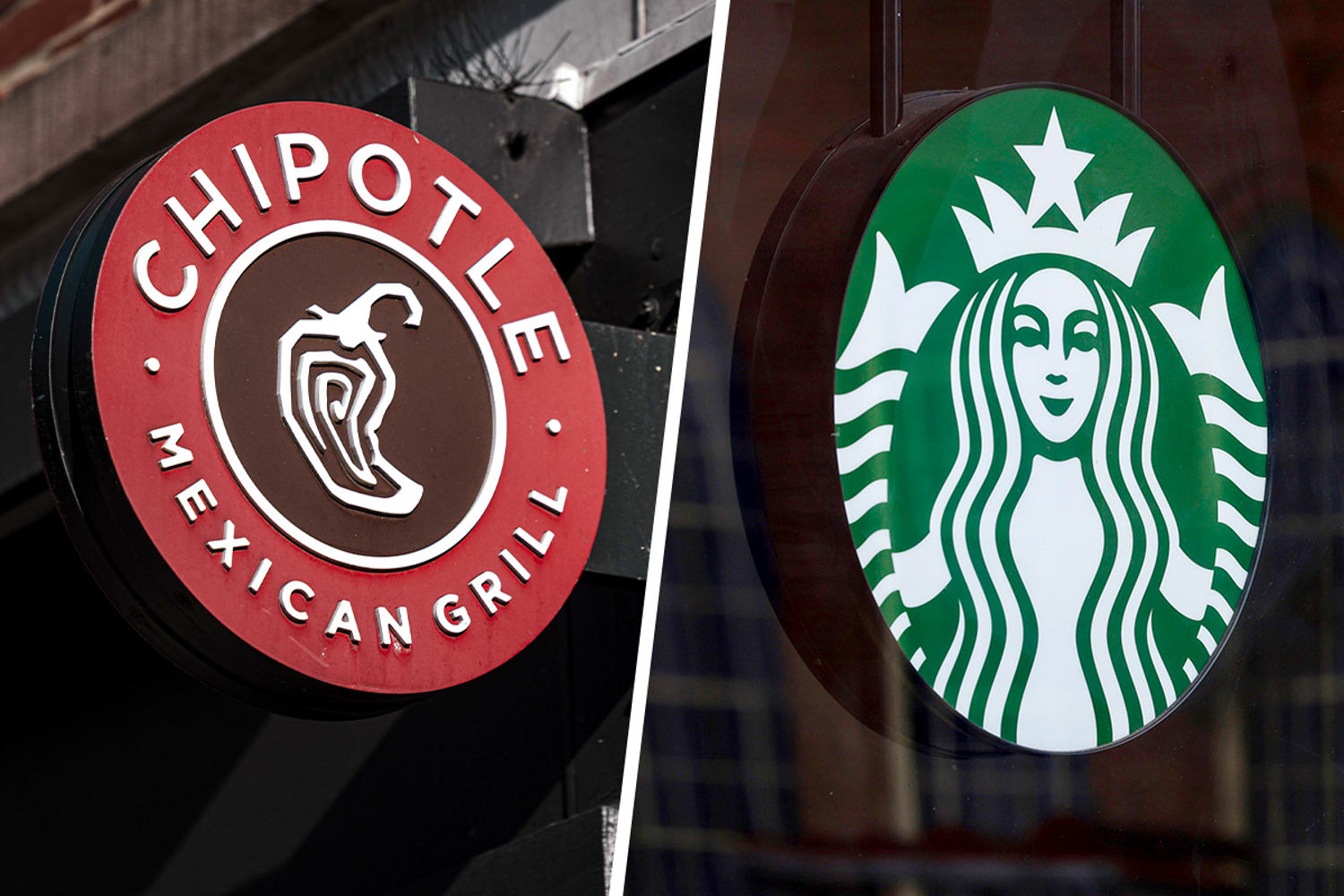
When word leaked that Starbucks had toyed with the idea of swallowing Chipotle whole, Wall Street lost its collective mind. Chipotle shares surged on the news, analysts scrambled to model a forty-billion-dollar monster transaction, and corporate trivia nerds immediately pointed out the obvious connection: Starbucks chief executive Brian Niccol used to run the burrito empire.
Corporate leadership quickly pushed back, stating they are laser-focused on their current operational turnaround. They have good reasons to downplay the noise. Anyone tracking restaurant retail knows that dreaming about massive mega-mergers is a great way to distract yourself from the cold reality of declining foot traffic and unhappy baristas.
The speculation reveals a deeper misunderstanding of what actually ails the coffee giant right now. Buying a burrito chain doesn't fix a morning queue that moves too slowly or mobile orders clogging up cafe counters.
The Back to Starbucks Reality Check
When Niccol took the helm at Starbucks, he didn't inherit a blank slate. He took over a sprawling machine suffering from bloated menus, alienated customers tired of overpriced lukewarm lattes, and exhausted store employees dealing with complex customization apps. His primary mandate was the Back to Starbucks initiative—a back-to-basics strategy designed to strip away clutter, speed up service times, and restore the coffeehouse vibe that made the brand a cultural staple in the first place.
Dropping tens of billions of dollars on a fast-casual burrito titan contradicts that focus. You don't rescue a sputtering coffee behemoth by taking on the structural complexity of managing thousands of heavy-kitchen restaurant locations across strip malls and downtown hubs.
The rumors felt plausible mostly because of Niccol's history. During his tenure at Chipotle, he steered the brand through severe food safety crises, overhauled digital ordering lines, and turned burrito bowls into a masterclass in throughput efficiency. Naturally, people assumed he wanted to bring that playbook to coffee.
Why Combining Coffee and Burritos Is a Logistics Nightmare
People love to dream about retail synergies on paper. Combining Starbucks and Chipotle sounds impressive in a spreadsheet, creating a combined entity with massive global reach and around fifty billion dollars in annual sales.
Operations don't work that way on the ground.
Coffee is an impulse and morning routine business. It relies on speed, high-frequency transaction loops, and mobile order stacking. Chipotle is a lunch and dinner meal destination built around high-heat grill lines, complex prep stations, and distinct inventory storage needs. Shoving these two completely different operational footprints under one corporate umbrella creates an administrative beast.
Starbucks already operates roughly forty thousand stores worldwide, with a massive international footprint. Chipotle’s footprint remains heavily concentrated domestically. Trying to internationalize burritos while fixing espresso bar execution in North America is a recipe for executive burnout.
The Real Priority Is Fixing the Customer Experience
If you walk into a typical urban Starbucks during peak morning hours, you rarely see a community living room. You see a mob of people staring at mobile screens, waiting twenty minutes for a customized iced shaken espresso with cold foam.
That is the actual crisis. Customers didn't stop going to Starbucks because the brand lacked cross-promotional alignment with quick-service Mexican food. They stopped going because prices climbed too high, service lost its personal touch, and waiting for a basic cup of coffee started feeling like an endurance test.
Fixing that requires boring, granular operational execution. It means rewriting mobile app rules to prevent order throttling jams, simplifying drink modifications, and investing in store-level labor so baristas aren't running on fumes.
What Happens Next for Retail Giants
Rumors like this surface when legacy brands face pressure to manufacture growth in a saturated market. Organic growth is hard. Opening new units takes time. Buying your way into a headline-grabbing headline is easier than trimming a bloated menu or retraining staff.
The market reaction showed how hungry investors are for bold moves. Yet the smartest thing leadership can do right now is ignore the financial press and keep their heads down.
If you run a business or manage brand strategy, take note of this distraction trap. When your core product leaks water, patching the hull matters more than buying a bigger yacht. Focus on what made you successful in the first place, fix your daily operations, and let the speculators chase shadows.