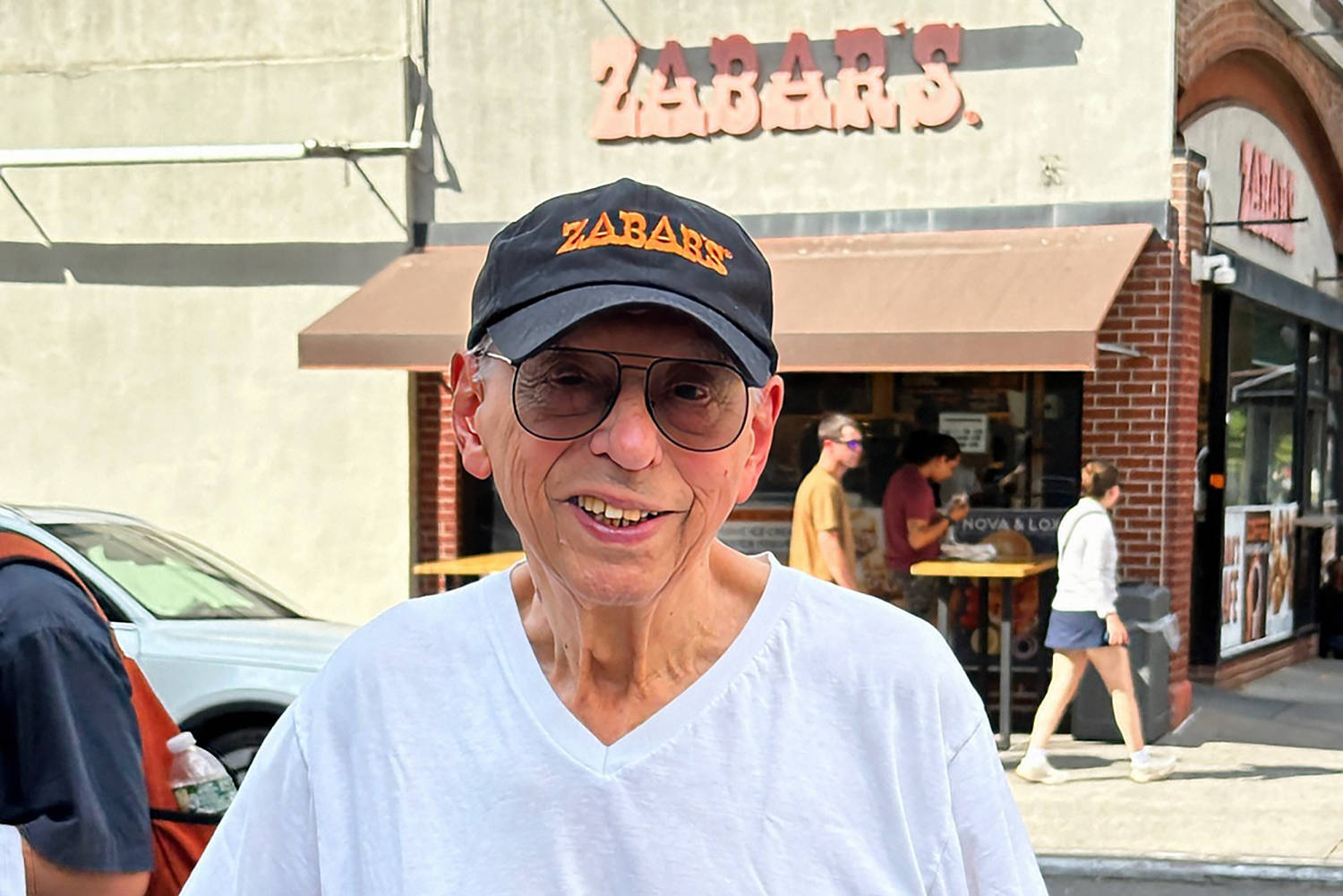
Stanley Zabar, the longtime co-owner and operational architect behind the legendary Upper West Side food emporium Zabar’s, died at the age of 94. His passing marks the end of an era for Manhattan’s independent retail sector, closing the chapter on a merchant who helped transform a modest neighborhood appetizing store into a global culinary institution. Alongside his brother Saul, Stanley navigated six decades of urban upheaval, shifting real estate economics, and the rise of corporate grocery chains without ever surrendering the store’s core identity or its prime Broadway corner.
Most obituaries will focus on the smoked fish, the babka, and the nostalgic charm of a Sunday morning bagel run on 80th Street and Broadway. That misses the harder, more instructive story. Zabar’s did not survive for ninety years on charm alone. It survived because Stanley Zabar understood the brutal mechanics of New York retail better than almost anyone else in the city. While iconic peers like Dean & DeLuca, Fairway Market, and Balducci’s succumbed to overexpansion, private equity debt, or mismanaged real estate, Zabar’s remained profitable, debt-averse, and stubbornly singular.
The Architecture of a Retail Fortress
To understand what Stanley Zabar actually built, you have to look past the cheese counter and examine the balance sheet. When Louis and Lillian Zabar opened their first appetizing counter in Brooklyn before moving to the Upper West Side in 1934, the business was a classic immigrant enterprise built on thin margins and exhausting hours. When Louis died suddenly in 1950, Stanley was still a student at the University of Pennsylvania’s Wharton School. He stepped into the business alongside his older brother Saul, bringing formal business training to a shop run on instinct.
That partnership became one of the most effective divisions of labor in American retail. Saul took charge of the perishable food operations, obsessing over the sourcing, curing, and slicing of lox, sturgeon, and sable, alongside the roasting of coffee beans. Stanley took the rest of the building. He oversaw finances, real estate, operations, and the famous second-floor housewares mezzanine.
The mezzanine was not an accidental quirk. It was a calculated margin play.
Perishable food is a notoriously treacherous business. Spoilage eats profits, labor costs for skilled slicers are high, and price elasticity has a strict ceiling before neighborhood regulars revolt. Housewares, by contrast, do not rot. By acquiring adjacent storefronts along Broadway and expanding upward, Stanley created a high-margin retail engine above a high-traffic grocery floor. Shoppers came in for half a pound of Nova Scotia salmon and walked upstairs to buy a Cuisinart food processor, a copper saucepan, or an espresso machine at razor-sharp prices. Stanley used the high volume of the food floor to subsidize aggressive pricing on kitchenware, turning Zabar’s into a destination for serious home cooks across the tristate area.
Owning the Dirt Beneath the Counter
The single smartest move Stanley Zabar ever made had nothing to do with food or cookware. It was buying the real estate.
In New York City, commercial rent is the silent executioner of legacy businesses. Generations of beloved restaurants, bookshops, and specialty grocers have disappeared not because they lacked customers, but because their landlords tripled the rent upon lease renewal. Stanley recognized early on that renting retail space on Broadway meant building equity for someone else while leaving the family vulnerable to market cycles.
Throughout the 1970s and 1980s, when the Upper West Side was widely viewed as gritty, declining, and risky, Stanley systematically bought up the buildings housing the store and its immediate neighbors. By locking down the physical footprint between 80th and 81st Streets, he insulated Zabar’s from the real estate speculation that would later gut Manhattan’s independent retail corridors. When the neighborhood gentrified into one of the wealthiest residential zip codes in the country, Zabar’s did not face a rent hike. It owned the block.
Why Competitors Imploded While Zabar’s Endured
The graveyard of New York gourmet retail is crowded, and the autopsies of its tenants reveal just how disciplined Stanley Zabar’s strategy really was. During the 1990s and 2000s, Wall Street fell in love with specialty food. Consultants and private equity firms looked at Zabar’s and saw an untapped brand begging to be scaled into a national chain.
Stanley repeatedly said no.
He understood that the magic of Zabar’s was tied to physical density and direct oversight. Every square foot of the Broadway flagship generated extraordinary revenue because inventory turned over rapidly and the owners were physically present on the floor to spot bottlenecks, adjust displays, and talk to customers. Scaling that model across dozens of suburban malls or distant cities dilutes quality control while multiplying fixed overhead.
Look at what happened to the rivals who took the opposite path:
- Fairway Market was once Zabar’s fiercest Upper West Side competitor, operating a chaotic, beloved produce and grocery warehouse just six blocks south on 74th Street. After selling a controlling stake to private equity in 2007, Fairway embarked on an aggressive regional expansion financed by heavy debt. The new stores lacked the operational rigor and foot traffic of the original location, dragging the entire company into bankruptcy twice before its assets were carved up and sold off.
- Dean & DeLuca pioneered the high-design gourmet market in SoHo, elevating groceries into luxury fashion accessories. Yet its pursuit of global licensing deals, international cafes, and rapid expansion outpaced its operational discipline, culminating in a humiliating collapse, shuttered stores, and unpaid vendors.
- Balducci’s followed a similar trajectory from its Greenwich Village roots, trading family stewardship for corporate roll-ups that stripped away the local sourcing and merchant intuition that made the original store viable.
Stanley Zabar watched all of it unfold from behind his desk and on the sales floor. He resisted the lure of franchising, rejected lucrative buyout offers, and kept the business strictly within the family. Even the store’s mail-order and e-commerce divisions were grown incrementally rather than through reckless capital burns.
The Friction of the Shopping Experience
Modern retail orthodoxy preaches frictionless convenience. Algorithms predict what you want, apps let you skip lines, and warehouse fulfillment centers replace human interaction. Zabar’s has always operated in direct defiance of this doctrine, and Stanley actively maintained that controlled chaos.
Walking into Zabar’s on a Sunday morning is a contact sport. The aisles are narrow. Customers jockey for position near the olive bar while ticket numbers flash above the smoked fish counter. Shoppers inspect every bagel in the bin, debate the sharpness of aged cheddar with countermen who have worked there for thirty years, and haul overflowing wire baskets toward tightly packed checkout lanes.
Stanley knew that friction, when paired with unmistakable value and theater, creates loyalty. The store felt alive because it was a working market, not a sterile museum of artisanal goods. He obsessed over pricing psychology, ensuring that while Zabar’s carried luxury items like caviar and imported truffles, everyday staples like coffee beans, cream cheese, and house-baked breads remained aggressively priced. A shopper could walk out spending twelve dollars or three hundred dollars and feel like they had beaten the system either way.
Labor and Institutional Memory
Another pillar of Stanley’s operational model was labor retention. High turnover is standard in grocery retail, where low wages and erratic scheduling treat cashiers and stock clerks as disposable. At Zabar’s, employees routinely stayed for decades.
This was not pure altruism. In specialty food, institutional memory is a direct financial asset. A master fish slicer who knows how to cut thin, translucent ribbons of belly lox without wasting expensive product protects gross margins every single shift. A housewares buyer who remembers what customers returned last holiday season prevents dead inventory. Stanley treated longtime staff as essential partners in the enterprise, fostering a workplace culture where pride in craft translated directly into customer trust.
Navigating the Post-Founder Transition
The death of a 94-year-old patriarch inevitably raises questions about succession, particularly in an industry where second- and third-generation family businesses frequently fracture. Unlike many legacy merchants who cling to total control until the day they die without preparing the next tier, Stanley and Saul spent years integrating the next generation of the Zabar family into daily operations.
Family members already manage key divisions across buying, operations, and digital commerce. More importantly, the structural safeguards Stanley put in place decades ago remain intact. Because the company owns its flagship real estate and carries none of the predatory debt loads that crippled its competitors, the next generation does not have to chase unsustainable growth targets just to service interest payments.
Still, the retail environment surrounding 80th and Broadway is vastly different from the one Stanley conquered in the twentieth century. Same-day grocery delivery apps have trained younger urban consumers to value speed over discovery. National chains like Whole Foods and Trader Joe’s have saturated Manhattan, compressing margins on organic produce and pantry staples.
Zabar’s cannot out-Amazon Amazon, and Stanley never tried. Its survival depends on doubling down on the exact things e-commerce cannot replicate: the sensory theater of live food preparation, human expertise behind the counter, curated discovery on the mezzanine, and the irreplaceable social ritual of standing shoulder-to-shoulder with neighbors in a crowded New York institution.
The Lesson for Independent Merchants
Stanley Zabar’s career serves as a blunt rebuke to modern startup mythology. He did not disrupt an industry with proprietary software, raise venture capital, or chase hyper-growth. He bought good merchandise at a fair price, sold it at a sharp margin, treated skilled workers like assets, owned his real estate, and refused to leave the neighborhood that made him successful.
In a city that routinely tears down its own history for short-term profit, keeping an independent store thriving on Broadway for over seven decades requires more than nostalgia. It requires cold-eyed financial discipline paired with genuine respect for the customer. The lox counter on 80th Street will open tomorrow morning, the coffee roasters will run, and the mezzanine will remain packed with cookware because Stanley Zabar built a business designed to outlive him.