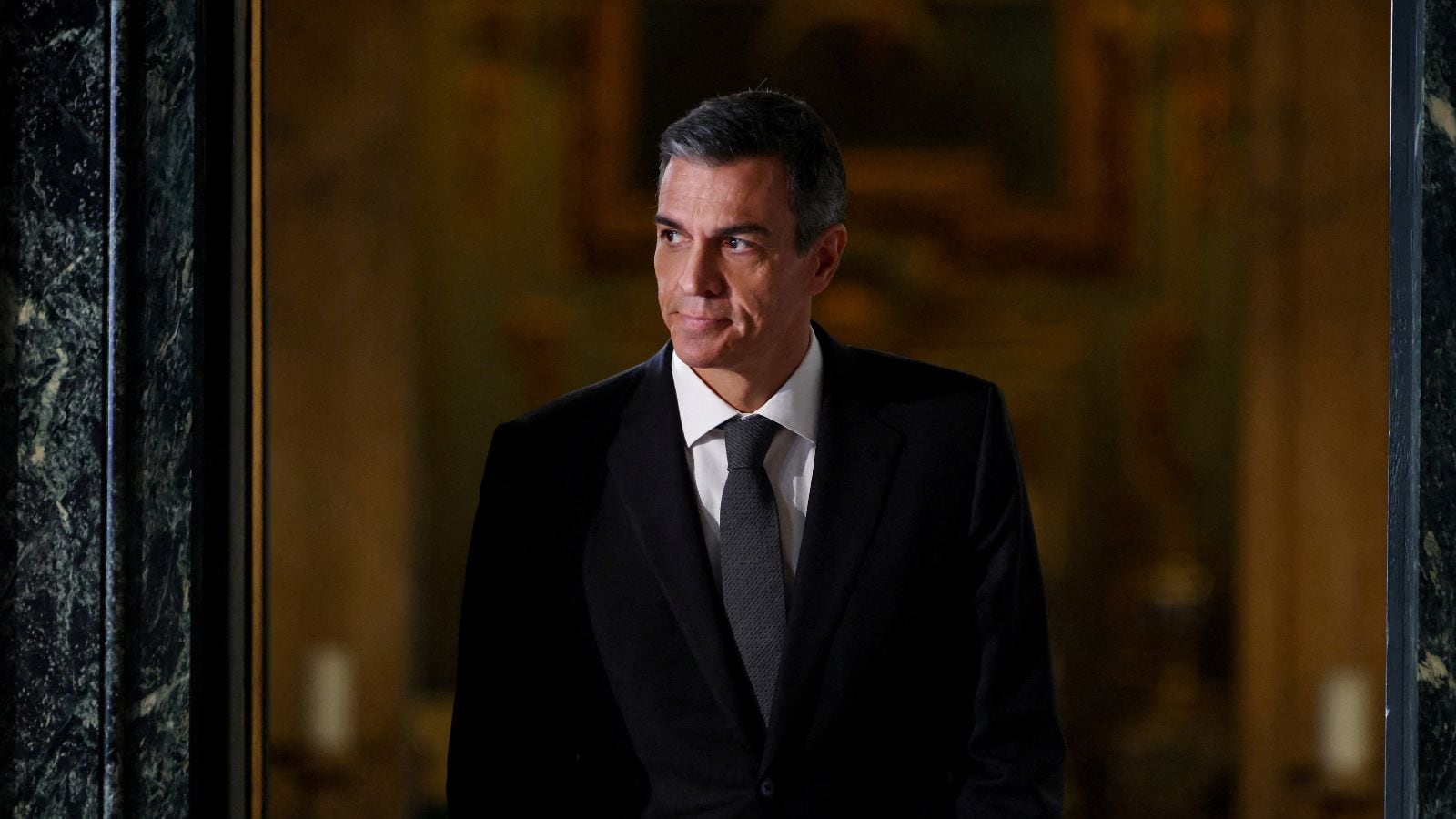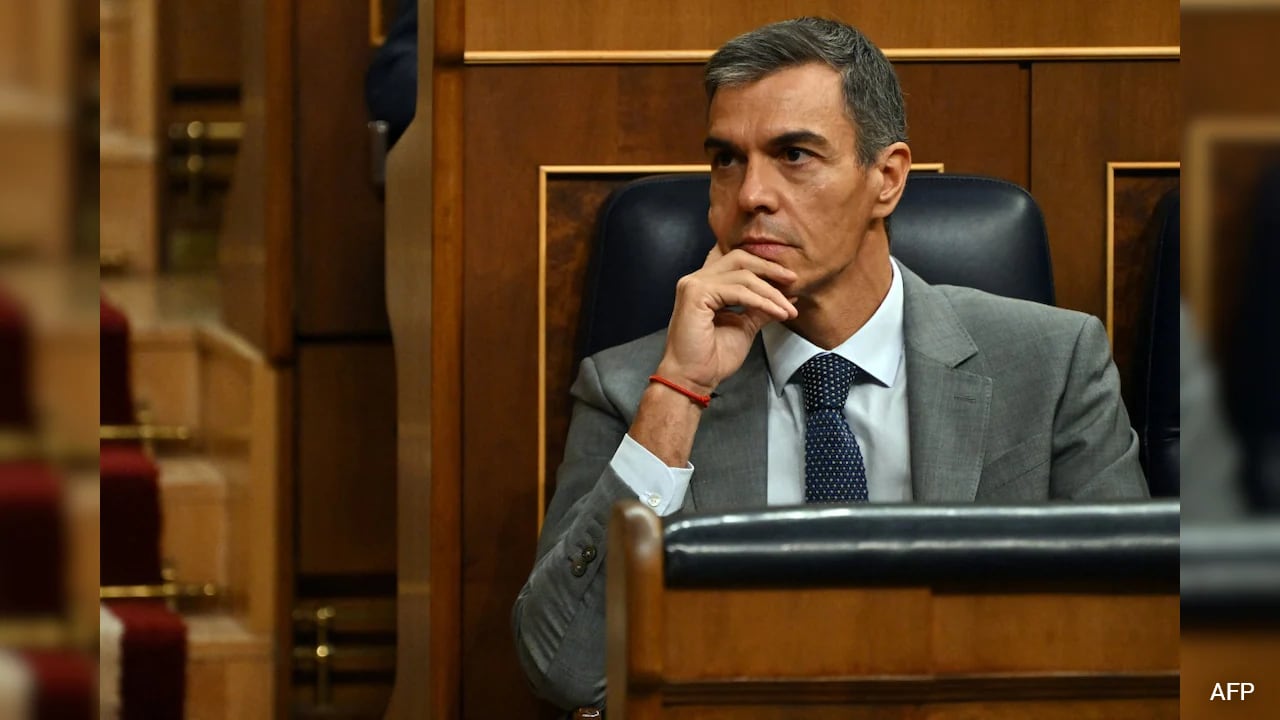
Spanish Prime Minister Pedro Sánchez just played his highest-stakes political card yet. When parliament tanked his emergency housing decrees, he didn't blink or try to quietly patch things together. He called a snap general election. It is a bold, aggressive pivot designed to turn a crushing legislative defeat into an electoral referendum on who actually controls the nation's future.
If you've been watching European politics, you know housing isn't just an economic issue anymore. It is a political powder keg.
The Spark That Ignited the Spanish Housing Crisis
Spain is dealing with one of the most brutal housing affordability crunches on the continent. Rents have climbed out of reach for average workers, and young people are completely locked out of property ownership. But the anger boiled over into the streets following a devastating human tragedy: the eviction and subsequent death of Maricarmen Abascal, an 87-year-old woman who had lived in her Madrid apartment for seventy years.
Her story became a rallying cry. Protesters flooded public squares like Madrid's Puerta del Sol, demanding immediate intervention against soaring rents and predatory landlord practices. Millions of Spanish workers even staged a massive general strike—the first of its kind in fourteen years—making it clear that voters were done waiting for political rhetoric.
Sánchez's minority government rushed to answer with emergency decrees. These rules aimed to lock in stronger tenant protections, prevent sudden evictions, and force automatic contract renewals.
Why the Emergency Decrees Failed in Parliament
The government's progressive ambition ran straight into a hard mathematical wall. Sánchez has struggled to maintain a stable, reliable parliamentary majority since the 2023 elections.
When the housing decrees hit the floor, conservative and right-wing parties—led by the Popular Party (PP) and Vox—united to vote them down. They were joined unexpectedly by regional center-right factions like Junts. The opposition argued that heavy-handed regulations would only crush market confidence, freeze new construction, and make long-term housing access even worse.
Instead of backing down or watering the bill down to appease a fractured parliament, Sánchez chose confrontation. He dissolved parliament and scheduled a national vote.
The High Risk and Higher Reward of a Snap Election
Sánchez is taking a massive gamble. Recent polling shows his Spanish Socialist Workers' Party (PSOE) trailing behind Alberto Núñez Feijóo's Popular Party, with the far-right Vox holding significant momentum. Critics argue he is simply trying to cut his losses before economic pressures or other national crises chip away at his base entirely.
Yet, Sánchez has pulled off improbable comebacks before. In 2023, polls predicted a clean sweep for the right, only for Sánchez to mobilize progressive voters at the last second and stitch together a working coalition. By forcing an early election centered squarely on housing, he is trying to corner the opposition. He wants to force conservative parties to defend voting against tenant protections right when voters are hurting the most.
At the same time, the road ahead is messy. The campaign trail is colliding with heavy public anxiety over broader issues, including infrastructure questions following recent national tragedies and ongoing cost-of-living pressures. The left is also politically fractured, meaning Sánchez has to convince disillusioned voters that his administration is still their best shield against a potential PP-Vox government.
The ballot box will decide whether this tactical maneuver secures his political survival or hands power straight to his adversaries. Either way, the outcome will reshape how European governments handle urban affordability for years.