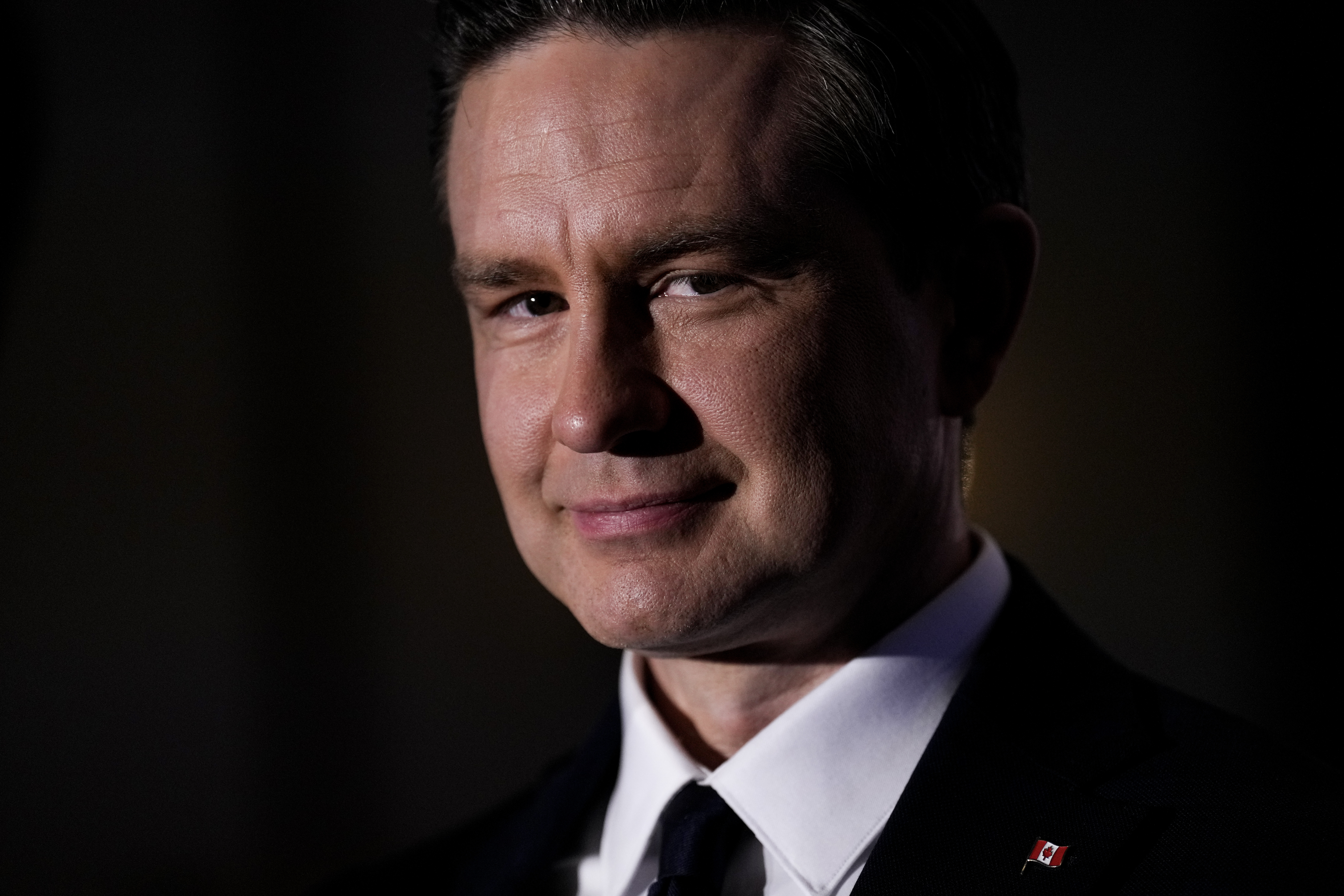
Don’t think for a second that Donald Trump’s latest social media blast is just another round of late-night bluster. When the President of the United States threatens to "massively blow up" the South Pars gas field, he isn’t just picking a fight with Tehran. He’s standing over the world’s most explosive economic detonator.
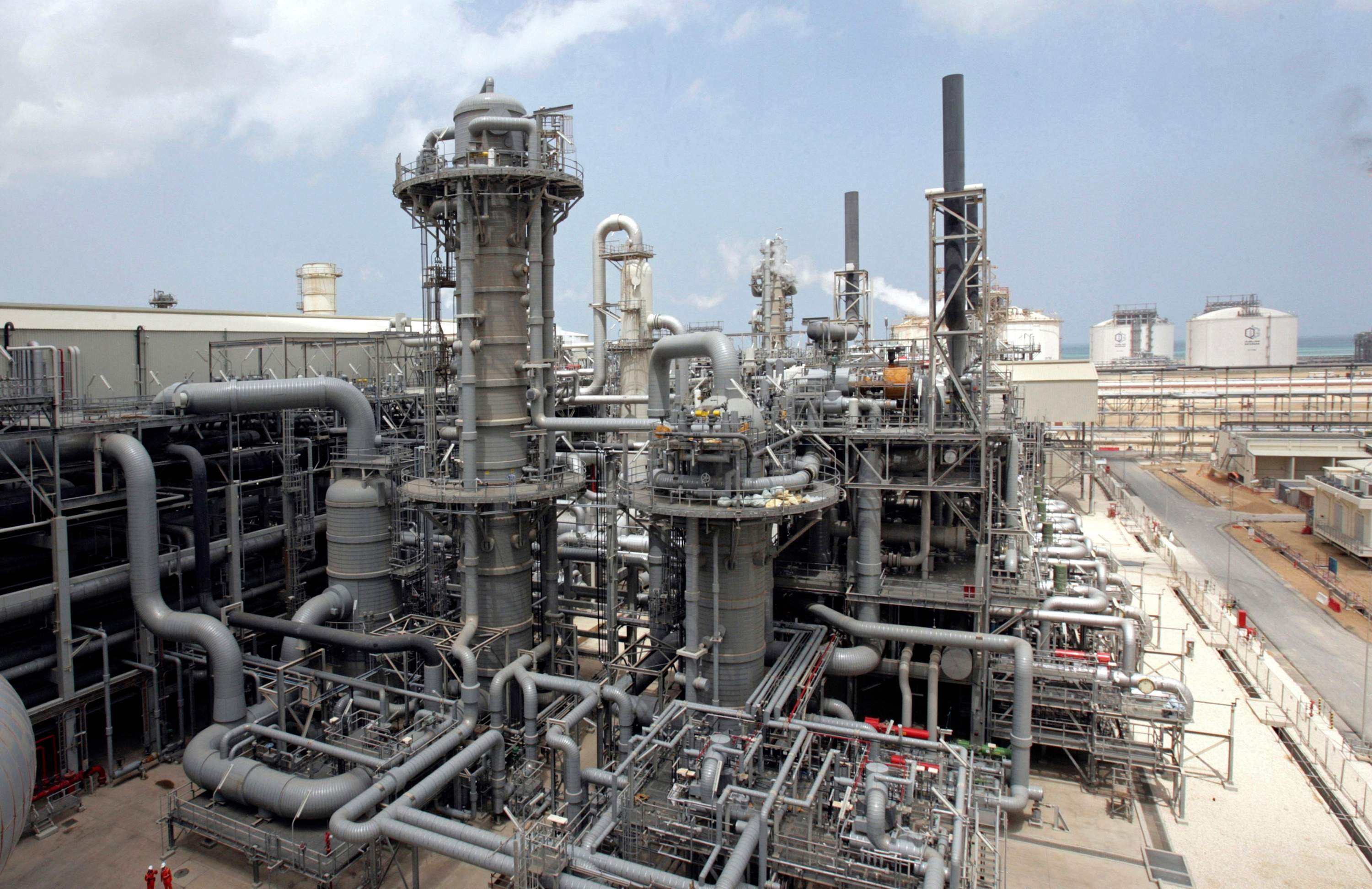
This isn’t about a few storage tanks or a remote refinery. We're talking about the South Pars-North Dome megafield, a geological titan that holds roughly 1,800 trillion cubic feet of natural gas. To put that in perspective, this single field contains about 8% of the entire planet's known reserves. It’s the beating heart of the global energy market, shared between Iran and Qatar. If it goes, the global economy goes with it.
The Strike That Changed the Rules
On Wednesday, March 18, 2026, the "shadow war" between Israel and Iran officially moved into the engine room. Israeli airstrikes tore into the South Pars facilities near Asaluyeh. For years, energy infrastructure was the red line nobody dared cross. Even at the height of the 2024 tensions, both sides knew that hitting production sites was a "doomsday" move.
That line is gone.
Trump claims the U.S. "knew nothing" about the Israeli operation, characterizing it as a violent lashing out in anger. But the aftermath was immediate and brutal. Iran didn't just complain to the UN; they retaliated by hammering Qatar’s Ras Laffan hub—the crown jewel of the global Liquefied Natural Gas (LNG) trade.
Now, Trump has issued an ultimatum: If Iran keeps touching Qatar's side of the fence, he’ll finish what Israel started. He’s promised to level the Iranian portion of the field with a level of "strength and power" the world hasn't seen. It’s a classic Trump play—escalating to the brink to force a de-escalation. But in a region already on fire, "the brink" is a very slippery place to stand.
Why South Pars Is the Only Target That Matters
You might wonder why everyone is suddenly obsessed with a patch of water in the Persian Gulf. Here’s the reality: South Pars isn't just an Iranian asset; it’s the backbone of their entire domestic survival.
- 70% of Iran's Gas: Most of what fuels Iranian homes and industry comes from this single field.
- The Qatar Connection: The reservoir is one giant, continuous pool of gas. When you drill on the Iranian side (South Pars), you're tapping the same pool as the Qatari side (North Dome).
- Infrastructure Vulnerability: Unlike mobile missile launchers, you can't hide a massive offshore platform or a sprawling coastal refinery. They are sitting ducks.
When Trump threatens this field, he’s threatening to turn the lights off across Iran permanently. It’s a total economic decapitation strategy. But there’s a massive catch. Because the field is shared, a "massive blow-up" on the Iranian side carries a terrifying risk of damaging the Qatari side through pressure changes or environmental catastrophe.
The $116 Barrel and Your Monthly Bill
Markets don't wait for the bombs to drop; they react to the breath of the person holding the match. Since the strikes on South Pars and the retaliation at Ras Laffan, Brent crude has screamed past $116 a barrel. European gas prices jumped 35% in a single morning.
If you think this is a "them" problem, check your local pump or your next utility statement. Qatar supplies roughly 20% of the world’s LNG. When their facilities at Ras Laffan take "extensive damage"—as they just did—the supply chain doesn't just kink; it snaps. We're seeing "force majeure" declarations on gas contracts, meaning countries that rely on Qatari gas for electricity are now scrambling for alternatives that don't exist.
Trump's Transactional Tightrope
Trump’s "Energy Dominance" policy has always been about making the U.S. the world’s gas station. By pressuring Iran and protecting Qatar, he’s trying to keep the LNG flowing to U.S. allies in Europe and Asia. But his latest threat reveals a glaring contradiction.
He wants lower prices at home. Yet, by threatening to vaporize the world’s largest gas reserve, he’s creating the very volatility that sends prices into the stratosphere. Honestly, it’s a high-stakes gamble that assumes Tehran will blink before the global economy breaks.
The White House is betting that the Iranian leadership, already reeling from the loss of intelligence chief Esmail Khatib and security head Ali Larijani, is too "degraded" to call the bluff. But with Mojtaba Khamenei now at the helm, the "rational actor" theory is being pushed to its absolute limit.
What Happens if the Match is Lit
If the U.S. actually follows through on the threat to "massively blow up" the entirety of South Pars, we aren't just looking at a regional war. We're looking at a multi-year global energy depression.
- Repair Times: Experts suggest repairing the damage at Ras Laffan could take three to five years. A full-scale strike on South Pars would likely make parts of the field unrecoverable for a decade.
- Environmental Fallout: The Persian Gulf is a closed ecosystem. A massive release of gas and condensate would be an ecological disaster that could shut down desalination plants across the region.
- The Hormuz Factor: Iran has already throttled traffic in the Strait of Hormuz. A strike on their crown jewel guarantees a total blockade, cutting off 20% of the world's oil supply.
Your Immediate Reality
This isn't a drill. The transition from "kinetic military action" to "energy warfare" is complete. Infrastructure is the new front line. If you're an investor or just someone worried about the cost of living, you need to watch the shipping lanes and the Twitter/X feeds more than the actual battlefield reports.
Stop looking for a return to "normal." We've entered an era where the world's largest energy assets are used as bargaining chips in a game of nuclear-adjacent chicken.
Prepare for sustained volatility. Hedge your energy exposure if you can. Most importantly, keep an eye on the diplomatic backchannels between Washington and Doha. Qatar is the only bridge left in this conflict, and if that bridge burns, everyone pays the price.