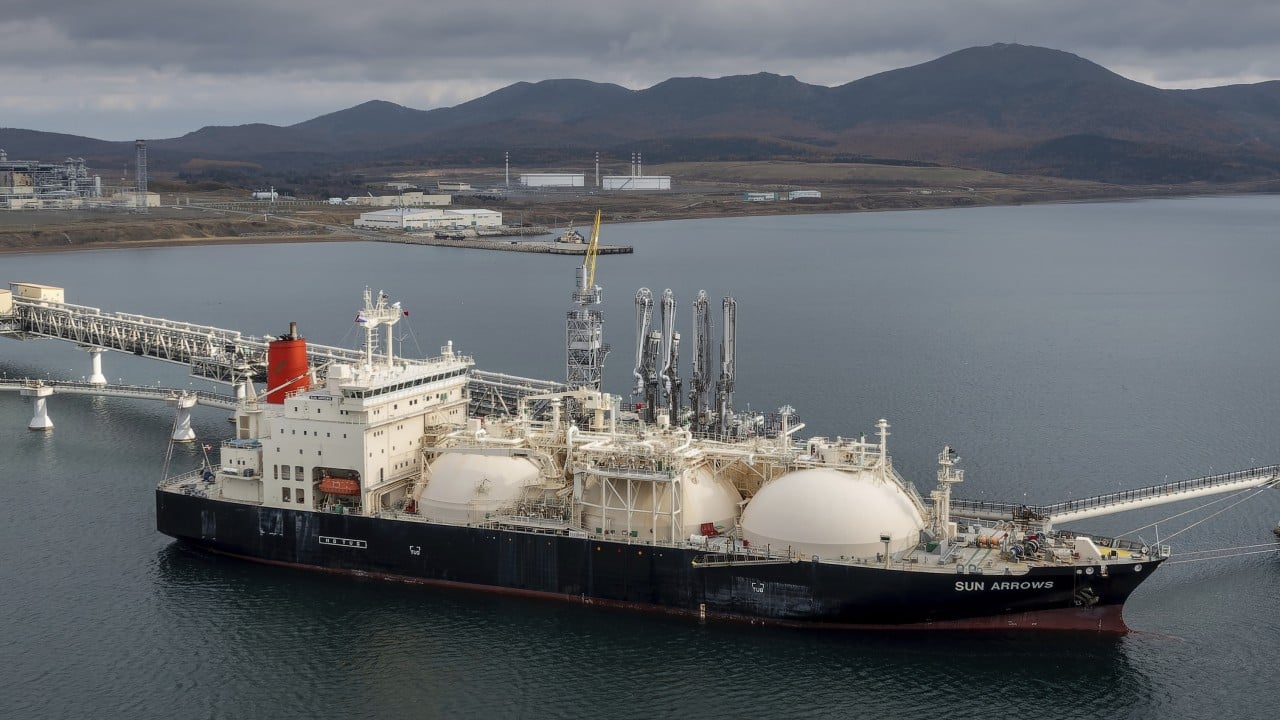
Russia is currently dangling a massive carrot in front of energy-starved nations in South Asia. With global gas prices hitting the ceiling and supply chains snapping, the Kremlin has started offering a 40% discount on liquefied natural gas (LNG) from its Arctic LNG 2 project. There's just one huge problem: that gas is under heavy US sanctions.
If you're wondering why India or Bangladesh would even consider touching this "radioactive" cargo, just look at the current market. The Strait of Hormuz is essentially a no-go zone. Attacks on Qatari export plants have wiped out nearly 20% of the world's supply. For countries that rely on Qatar for the bulk of their energy, the situation isn't just dire; it's a full-blown emergency. Russia knows this. They aren't just offering cheap fuel; they're offering a lifeline wrapped in a legal minefield.
The shadow fleet and the 40% gamble
Moscow isn't exactly being subtle about its tactics. To bypass the Western banking system and shipping bans, it's utilizing a network of shadow fleet vessels and intermediaries based in China. These "middlemen" aren't just handling the money; they're reportedly offering to swap paperwork to make the gas look like it's coming from Oman or Nigeria.
It’s a classic shell game. You buy the gas at a deep discount—roughly 40% below the skyrocketing spot prices—and hope the US Treasury doesn't notice the tanker's true origin. For a country like Bangladesh, which saw its energy costs double overnight after the Qatari supply dried up, that 40% off is hard to ignore. They’ve already had to cut gas to fertilizer plants just to keep the lights on in cities. When you can't feed your people or power your factories, geopolitical loyalty becomes a luxury you can't afford.
India is playing a dangerous game of wait and see
India is the big prize for Russia here. New Delhi has already shown it's willing to ignore Western pressure when it comes to oil. In March 2026, India's imports of Russian crude surged to over 2 million barrels per day. But LNG is different. The infrastructure for gas is more rigid, and the sanctions on Arctic LNG 2 are specifically designed to crush the project's viability.
I’ve seen this play out before. India says it won't take sanctioned gas, then the US issues a "temporary waiver" or a "general license" for a specific shipment, and suddenly the taps open. In fact, India just snagged its first Iranian oil shipment in years under a new US license. Don't be surprised if we see a "humanitarian exception" or some other bureaucratic loophole that allows Russian LNG to start flowing into Indian terminals like Dahej or Hazira by the end of the year.
The South Asian energy trap
Bangladesh and Pakistan are in even tighter spots. Pakistan has actually done a decent job at "solarizing" its grid, which has saved it from a total collapse during this latest crisis. But you can't run heavy industry on rooftop solar alone. They still need gas.
The problem is the "take-or-pay" contracts. These countries are locked into old deals that they can't fulfill because the physical gas can't get through the Hormuz chokepoint. So they’re forced into the spot market, where prices are insane. Russia’s offer of discounted LNG is effectively a predatory loan disguised as a bargain. If they take it, they risk getting cut off from the Western financial system. If they don't, they risk total economic stagnation.
Why the US sanctions are failing to bite
Sanctions work best when there's an alternative. Right now, there isn't one. The US is exporting as much LNG as it can, but it's not enough to fill the hole left by Qatar and Russia. When the choice is "buy from Putin" or "let the grid fail," most leaders choose their own survival.
Russia is also getting smarter at the logistics. They’re no longer just relying on European insurers or Western-owned tankers. By building their own insurance ecosystems and using "dark" tankers that turn off their transponders, they're making the sanctions increasingly difficult to enforce without a direct naval blockade—something the US is unlikely to try.
What this means for your energy bills
If you’re in South Asia, don't expect a quick fix. Even if these countries start taking the discounted Russian gas, the logistical costs of the "shadow" route are high. Plus, the intermediaries in China take their cut. You might see a slight easing of the price hikes, but the days of cheap, reliable energy are gone for the foreseeable future.
The real shift is the move toward "gray market" energy. We're entering an era where the origin of your fuel is as murky as the water in a harbor. It’s a messy, high-stakes environment where the rules are being rewritten every week.
If you're a business owner or a policy analyst, stop waiting for the "old normal" to return. The Strait of Hormuz crisis has permanently shifted the map. The next move for South Asian governments isn't just finding cheaper gas—it's fast-tracking the infrastructure to handle "non-traditional" imports. That means more floating storage regasification units (FSRUs) and a much higher tolerance for diplomatic friction with Washington. You should be looking at diversifying into smaller, modular nuclear or localized renewables now, because the global gas market is officially broken.