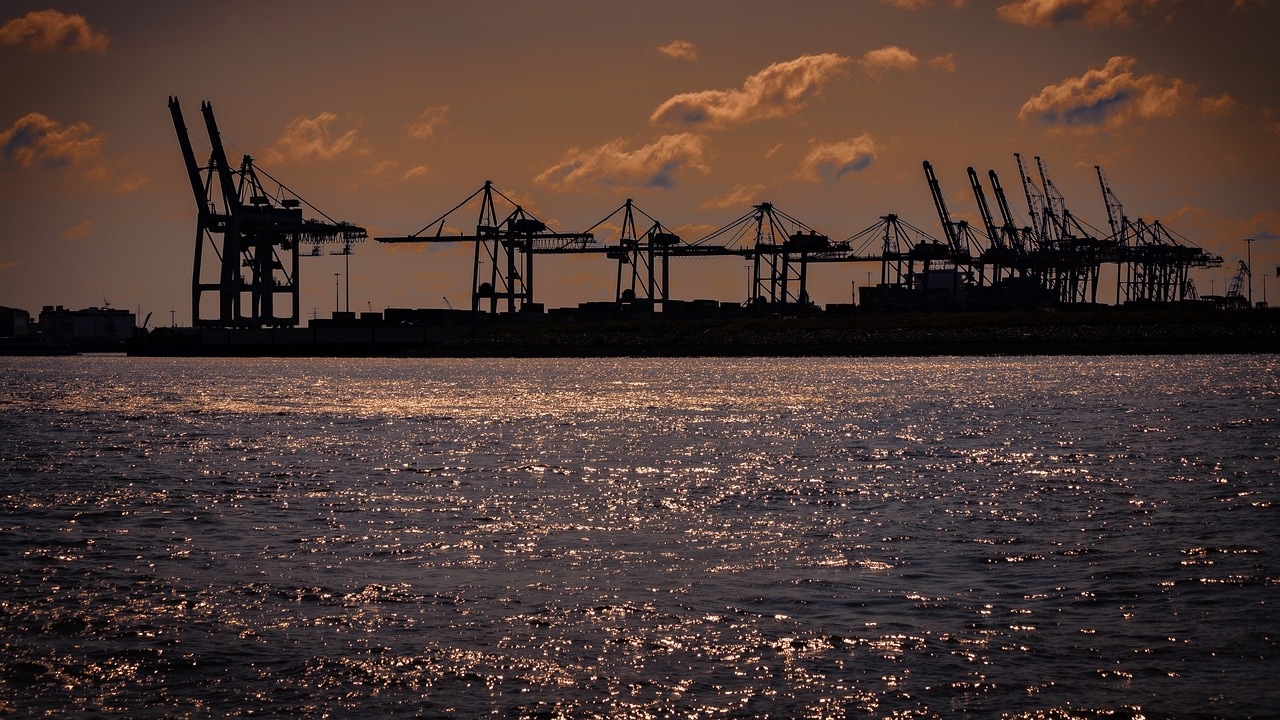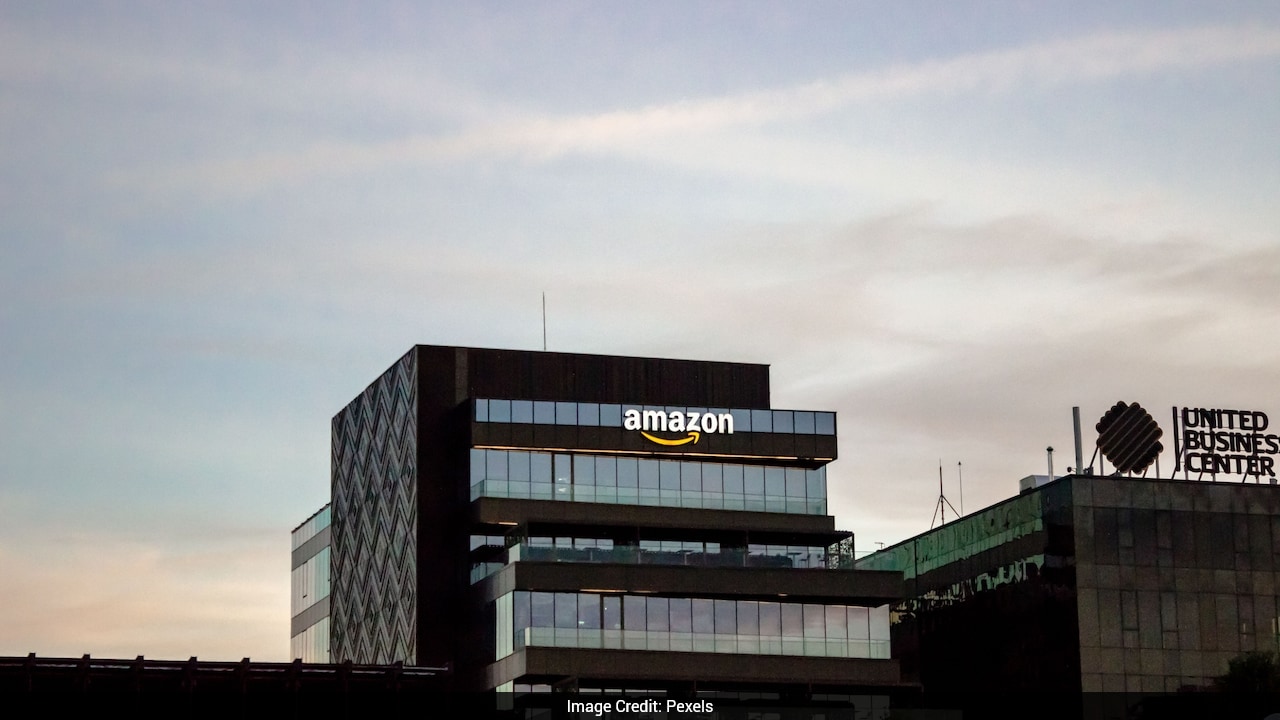
The shift begins at midnight.
To understand what a twenty-dollar hourly wage actually means in modern America, you cannot start in a corporate boardroom in Seattle. You must start here, on the concrete floor of a fulfillment center in central Ohio, where the air smells of cardboard dust and recycled heat, and the dominant soundtrack is the relentless, mechanical heartbeat of a conveyor belt.
Meet Elena. She is a hypothetical worker, constructed from the collective reality of millions who pull the levers of modern commerce. Elena is thirty-four, with a knee that aches when the weather turns damp and a daughter who is growing out of her shoes with terrifying speed. For years, Elena’s life has been an exercise in arithmetic triage. Every grocery trip is a silent negotiation between fresh produce and the electric bill. Every unexpected car repair is a crisis that threatens to unravel a fragile domestic ecosystem.
When the news breaks that Amazon has pushed its minimum starting wage to twenty dollars an hour across the United States, Elena does not pop champagne. She does the math. She calculates what an extra few dollars an hour translates to in rent coverage, in gas, in breathing room.
And that calculation is where the story of contemporary labor truly lives.
The Anatomy of the Floor
To look at wage structures purely as lines on a spreadsheet is to miss the human machinery powering them. For decades, the baseline of American labor has hovered in a state of suspended animation. Federal minimum wage laws stalled out while the cost of housing, health care, and nutrition scaled upward like a vertical cliff. Workers found themselves caught in an expanding chasm between productivity and compensation.
Amazon’s decision to establish a twenty-dollar baseline is not an act of charity. Corporations do not dispense philanthropy; they respond to gravity. The gravity in this case is a tight labor market, high turnover costs, and the grueling physical toll of warehouse work. When you ask human bodies to walk fifteen miles a day across concrete, bending, lifting, and sorting at a rate dictated by algorithms, you run out of bodies eventually. Burnout is a quantifiable expense.
Consider what happens when a company of this scale shifts the floor. It creates a gravitational pull of its own. Suddenly, regional grocery stores, fast-food franchises, local distribution hubs, and small-scale manufacturers find themselves competing for the same pool of workers. They cannot offer twenty dollars an hour easily; their margins are tighter. They must adapt, raise their own rates, or watch their staffing levels collapse. This is the ripple effect of corporate wage setting, a phenomenon that reshapes the entire geography of blue-collar employment whether local business owners like it or not.
Yet, numbers on paper conceal the psychological weight of the change. For Elena, twenty dollars an hour does not mean luxury. It means the terrifying edge of the cliff moves back a few inches. It means she might not have to choose between paying for her daughter's school field trip and filling a prescription.
The Hidden Math of Survival
Let us look closer at the economics, stripped of PR spin.
A twenty-dollar hourly wage translates to roughly forty-one thousand six hundred dollars a year for a full-time worker, before taxes. In Manhattan or San Francisco, that sum vanishes into the maw of urban rent within months. In smaller towns across the Midwest or the South, it stretches further, offering a semblance of stability.
Inflation has spent the last several years devouring purchasing power. Every time wages inch upward, the cost of living seems to sprint ahead to intercept the gain. Critics often point this out as a reason why wage hikes are ultimately futile, arguing that higher labor costs simply drive up consumer prices in an endless, frustrating loop.
This argument, however, misses the human dignity embedded in the struggle. Stagnant wages do not stop inflation; they simply ensure that the burden of economic shifts is borne entirely by those least equipped to carry it. When the baseline rises, workers capture a larger share of the productive value they generate. They become consumers with actual purchasing power, capable of sustaining local economies, buying homes, and investing in their children's futures.
To understand the friction here, look at the historical arc. For generations, the American social contract rested on the promise of upward mobility—the idea that steady, honest labor would secure a foothold in the middle class. Over the last forty years, that contract frayed. Productivity skyrocketed while wages flatlined. The gap between executive compensation and frontline workers widened into a grand canyon.
When a corporate titan like Amazon adjusts its starting pay to twenty dollars, it is an acknowledgment, however calculated, that the old floor had rotted out.
The Ghost in the Machine
There is another character in this story, one that rarely speaks but dictates every movement: automation.
Every time human labor becomes more expensive, the economic incentive to replace human labor with robotics accelerates. In modern fulfillment centers, robotic arms, autonomous guided vehicles, and machine-learning sorting systems are not distant science fiction; they are operational reality.
As wages climb toward twenty dollars an hour, the boardroom calculus shifts. Engineers and operations managers look at the cost of a human worker—benefits, training, turnover, breaks, injury claims—and compare it against the capital expenditure of a robotic arm that never tires, never calls in sick, and works twenty-four hours a day without complaint.
This creates a tense paradox for the workforce. The immediate relief of a higher paycheck exists in direct tension with the long-term threat of displacement. Workers like Elena know this, even if they do not use the vocabulary of economists. They can hear the quiet hum of new machinery being installed down the aisle. They feel the subtle pressure to keep pace with the machines they work alongside.
Yet, paradoxically, higher wages can sometimes drive innovation in human-centric ways. When labor is cheap, companies treat workers as disposable commodities—easy to churn through, cheap to replace, and unworthy of capital investment. When labor becomes more expensive, companies are forced to invest in their people, improving ergonomics, safety protocols, and training programs to maximize the return on that higher hourly rate.
The Ripple Beyond the Warehouse Walls
The shockwaves of a twenty-dollar wage floor do not stop at the loading dock. They alter the expectations of an entire generation.
Younger workers entering the labor market view minimum wage jobs with a new skepticism. The era of accepting sub-fifteen-dollar wages for grueling, high-stress labor is rapidly closing. When the baseline shifts upward, the social tolerance for exploitative working conditions drops. People begin to reevaluate what their time is worth in a society of immense wealth concentration.
This cultural shift is perhaps more powerful than the monetary adjustment itself. It changes the conversation from survival to value. It forces employers to answer a fundamental question: If your business model depends on paying people wages that do not cover the basic costs of living, is your business model viable?
For small businesses, this transition is agonizing. A local bakery or family-owned auto repair shop cannot easily absorb a massive jump in labor costs without raising prices to a point where customers walk away. They do not have the economies of scale that multinational logistics giants possess. This creates a painful economic squeeze, where corporate wage floors can inadvertently crush the small-scale competition, consolidating more of the labor market into the hands of a few corporate titans.
It is a complex, messy reality. There are no clean heroes or villains here, only competing incentives playing out on a massive national stage.
The Shift Ends
Back on the warehouse floor, the clock ticks toward the end of the shift.
The conveyor belts slow their thunderous roar for a scheduled maintenance pause. The silence, brief though it is, feels heavy. Workers lean against staging tables, rubbing tired shoulders, trading quiet jokes about aching joints and weekend plans.
Elena reaches for her water bottle, takes a long swallow, and looks down at her phone. She checks her app, viewing the projected earnings for the upcoming week with the new pay rate factored in. It will not solve every problem. It will not buy a house or erase the debt from last winter's medical bills. But it will buy breathing room. It will make the next shift feel slightly less like an invisible trap.
She pulls her safety vest back over her shoulders, tightens the straps, and waits for the belt to roar back to life. The machinery of modern life does not stop, and neither does she. But as she steps back into position, the ground beneath her feet feels just a little bit firmer than it did yesterday.