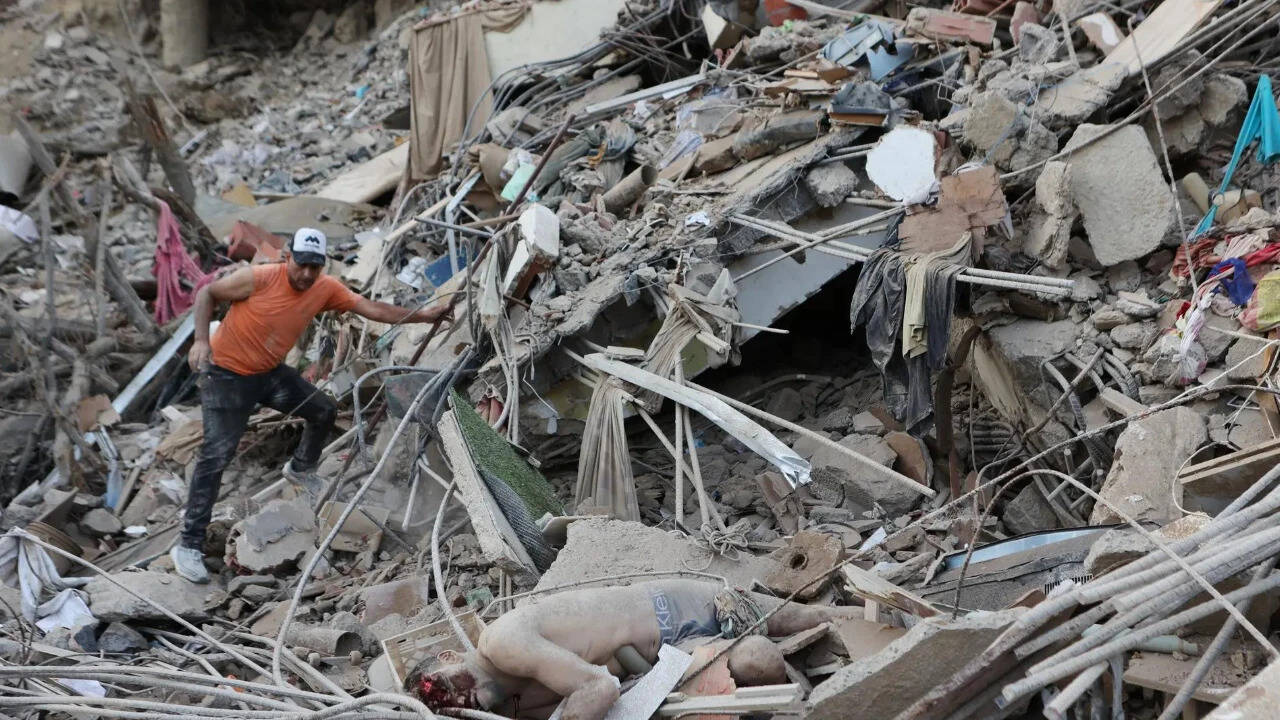
The silence that follows a disaster is not actually quiet. It is a thick, heavy weight made of suspended concrete dust and the frantic, shallow breathing of people who suddenly realize everything they owned is gone.
In the coastal towns of Sucre, Venezuela, that silence arrived twice.
When the first earthquake struck, the concrete walls of old colonial homes groaned, shuddered, and then gave way. Neighbors pulled neighbors from the debris. They shook the grit from their hair, checked their limbs, and began the agonizing process of counting who was missing. Then, just as the first wave of shock began to subside into organized panic, the ground tore open again.
The twin tremors did more than collapse roofs. They shattered the fragile infrastructure of an already strained region, turning a localized rescue effort into a sprawling, desperate race against time. The official reports tell us that the death toll has now risen to 164. They tell us that hundreds are still unaccounted for. But numbers are abstract things; they numbers numb the mind before they inform it. To understand what is happening on the ground right now, you have to look past the spreadsheets of the emergency response teams and look at the dust.
Consider a man standing outside what used to be a three-story apartment building in Cumaná. Let us call him Alejandro. He is a hypothetical composite of the dozens of fathers and brothers currently tearing at concrete blocks with bare, bleeding fingers. Alejandro is not thinking about the tectonic interactions of the Caribbean and South American plates. He does not care that the Richter scale registered two distinct, shallow events within a three-hour window. He is listening for a specific sound—a cough, a whimper, the tap of a stone against a pipe from somewhere beneath the gray heap of rubble that used to be his daughter’s bedroom.
The search for the missing is a grueling, analog process. While modern disaster response often invokes images of high-tech thermal imaging and trained canine units, the reality in rural and coastal Venezuela is far more elemental. It is a human chain. It is twenty people moving heavy chunks of masonry by hand, piece by piece, under a sun that offers absolutely no mercy.
When a machine does arrive—a single, sputtering excavator borrowed from a local construction site—the crowd goes dead silent. The operator turns off the engine every ten minutes. The rescuers freeze. Everyone holds their breath, straining to hear through the cracks in the earth. If nothing speaks back, the digging resumes.
This is the invisible stake of the disaster. Every hour that passes changes the nature of the mission. The transition from a rescue operation to a recovery operation is a quiet, devastating shift that happens without an official announcement. It happens in the minds of the volunteers when the water bottles run dry and the tropical heat accelerates the grim realities of the debris field.
The double blow of twin earthquakes complicates the psychology of survival. In a standard disaster, the event happens, the danger passes, and the recovery begins. There is a clear before and after. But when the earth moves a second time with equal violence, it breaks something fundamental in the human psyche. Trust in the very ground beneath your feet vanishes. Thousands of families across the affected zone are now refusing to sleep indoors, even if their homes survived the initial shocks without a crack. They camp on asphalt, in open parks, and on the beaches, wrapped in thin sheets, watching the horizon with wide, sleepless eyes.
Every tremor, even a minor aftershock, triggers a collective gasp that ripples through these makeshift camps. It is a trauma that cannot be easily cleared away like the concrete blocking the highways.
The road to recovery is blocked by more than just physical rocks. The region's geography makes isolation a compounding threat. Coastal towns tucked between steep mountains and the sea rely on a few winding arteries for all their food, medicine, and clean water. With those roads cracked and blocked by landslides, the affected communities are forced to look inward, relying entirely on the resilience of their neighbors while waiting for heavy equipment to clear the passes.
Water is the immediate battleground. When water mains burst beneath the shifting earth, mud taints the supply. Within forty-eight hours of the second quake, the hunt for clean drinking water becomes just as urgent as the search for the missing. People line up for blocks with plastic jugs, waiting for a single tanker truck that may or may not arrive before nightfall.
The true weight of the 164 lives lost will not be measured by the national days of mourning or the statements issued by officials. It will be felt in the months ahead, when the news cameras pack up and leave the coast to face its long, quiet rebuilding alone. It will be felt in the empty chairs at dinner tables and the classrooms that reopen with fewer children.
As the sun sets over the Caribbean, casting long shadows across the ruins, the excavators continue their work under the glare of temporary floodlights. The searchers do not stop. They cannot stop. A young volunteer wipes sweat and gray powder from his forehead, picks up his shovel, and steps back into the line. The earth is finally still, but the air remains thick with expectation, and the community keeps listening to the dark.