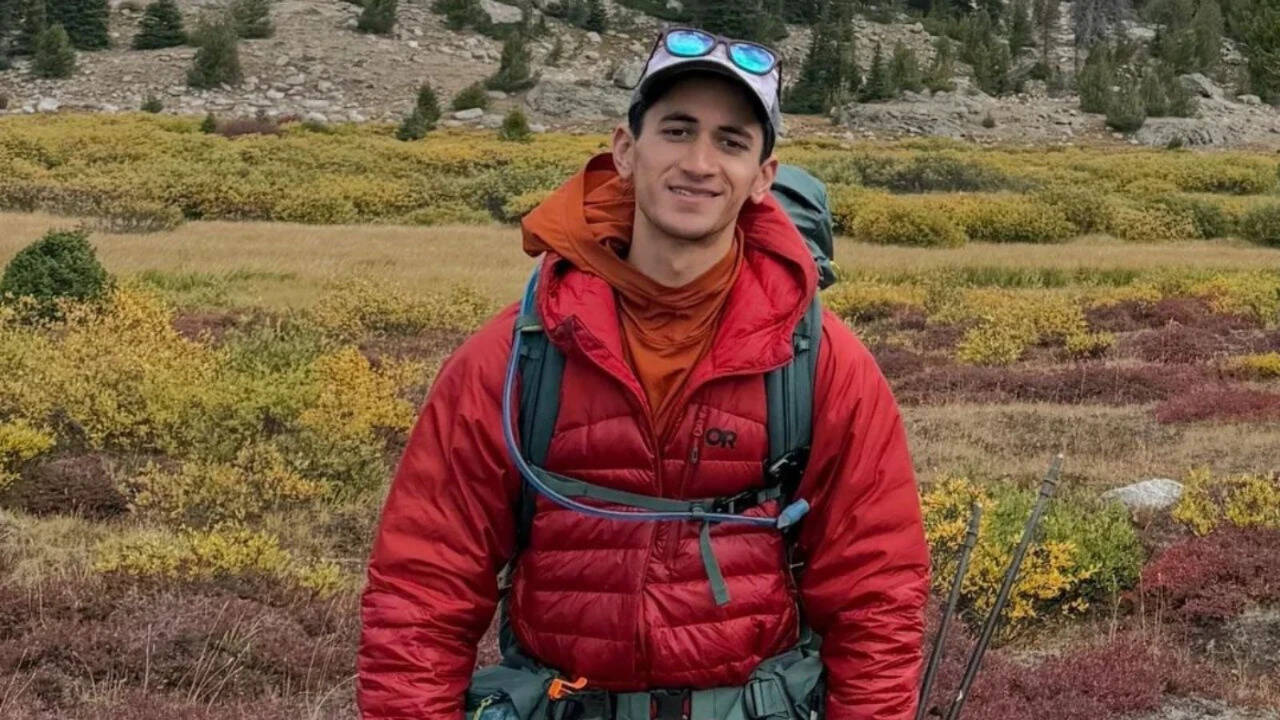
When a seasoned outdoor enthusiast vanishes on a familiar trail, the outdoor community faces an uncomfortable reality. Experience does not make anyone immune to sudden mountain tragedies.
The recent disappearance and tragic death of Vikram Mubayi, a chemical engineering PhD student at the University of California, Santa Barbara, sent shockwaves through academic and backpacking circles alike. Mubayi headed out for a weekend solo hike in California's Eastern Sierra, specifically targeting the popular Big Pine Lakes area within Inyo National Forest. He was familiar with the terrain, carried a Garmin satellite device, and even shared his precise GPS coordinates with his family. Yet, despite these safety nets, tragedy struck. His body was recovered by authorities on August 3 after a frantic search operation launched when he failed to return.
The Reality of Solo Hiking Risks in the Eastern Sierra
Backpacking alone carries a weight that many overlook until it's too late. When you hike by yourself, you assume total risk. There is no partner to notice early signs of altitude sickness, no secondary set of eyes to spot a loose boulder, and no one to run for help if communication equipment fails.
Mubayi was entering the fifth year of his doctoral program, working in the O'Malley Lab on sustainable alternatives to petroleum-based materials. Outside the lab, he lived an active life. He had previously cycled across the country from New York to San Francisco for cancer research with the Illini 4000 initiative. Friends and family described him as a fairly experienced hiker. If someone with outdoor background and modern navigation tools can run into fatal trouble, it completely shatters the myth that bad outcomes only happen to careless beginners.
What Went Wrong on the Trail
Investigators stated that there was no immediate evidence of foul play, but details regarding the exact cause of his death remain under review. Mubayi last communicated with his family around 8:37 p.m. on August 1, pinging coordinates near Agassiz Col. Shortly after that communication, silence took over.
When he missed his expected check-in window, his family took immediate action. They posted route maps and coordinates on public forums like Reddit to rally local hikers, while simultaneously alerting the Inyo County Sheriff’s Office. Inyo County Search and Rescue volunteers, alongside the California Highway Patrol, mobilized quickly. Unfortunately, despite rapid deployment and extensive ground efforts, the search ended with confirmation that he did not survive.
Critical Safety Measures for Backcountry Explorers
If you love hitting remote trails, you need to treat every route with strict respect, regardless of your experience level. Relying solely on technology creates a false sense of security. Satellite messengers help locate you, but they cannot stop a sudden fall or physiological distress in freezing alpine conditions.
Always share a detailed itinerary with someone off-grid who will actually track your timeline. Build buffer time into your schedule so a slight delay doesn't automatically trigger panic, but set a hard deadline for when emergency services must be called. Keep emergency contacts updated on your exact trailheads, and remember that high-altitude environments in the Sierra change rapidly once the sun drops below the ridgeline.
Pay attention to your body and your surroundings. Turn back if weather closes in or if physical exhaustion sets in. The summit will always be there tomorrow. Your life won't be.