The sound of a safe door clicking shut is becoming the loudest noise on Wall Street. As the threat of a full-scale conflict involving Iran hangs over global markets, the world’s most sophisticated investors aren't buying the dip. They're running for the sidelines. We aren't just talking about retail traders getting spooked by headlines. We’re seeing massive institutional shifts into money market funds and short-term Treasuries.
If you’re looking for a reason why your portfolio feels stagnant despite decent earnings reports, this is it. Capital is freezing up. When the geopolitical map starts glowing red, the math for "risk-on" assets stops making sense. Why bet on a tech breakout when a single drone strike could send Brent crude to $120 a barrel overnight? Discover more on a connected issue: this related article.
Fear of an Iran war fallout isn't just about high gas prices. It's about the total disruption of the global credit machine.
The Flight to Liquidity is Real and Aggressive
Money market fund assets recently hit record highs, crossing the $6 trillion mark according to data from the Investment Company Institute. That’s a staggering amount of dry powder sitting inactive. Investors are essentially saying they’d rather take a guaranteed 5% return in a government-backed account than risk a 20% drawdown if the Strait of Hormuz gets blocked. More journalism by Forbes highlights similar perspectives on this issue.
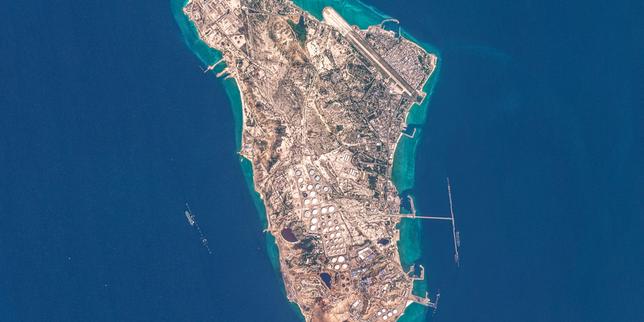
The Strait is the world’s most important oil transit chokepoint. About a fifth of the world’s total oil consumption passes through there daily. If Iran follows through on long-standing threats to disrupt this passage, the inflationary shock would be violent.
Think about it. We’ve spent the last two years fighting sticky inflation with high interest rates. A regional war involving Iran would undo all that progress in a week. Central banks would be stuck in a nightmare scenario: rising prices and a slowing economy. That’s stagflation. It’s the one word that keeps hedge fund managers awake at night.
Why Cash is Suddenly King Again
For a decade, "Cash is Trash" was the mantra. With interest rates at zero, holding paper meant losing purchasing power. That world is gone. Today, cash is a strategic weapon.
Holding a large cash position right now does two things for a professional desk. First, it protects the principal from the "gap down" risk—those mornings where the market opens 4% lower because of news that broke while you were sleeping. Second, it provides the liquidity needed to buy blood in the streets when the panic eventually peaks.
I’ve talked to traders who are sitting on 30% cash or more. That’s an unusually high defensive posture. They aren't being bears; they're being pragmatists. They know that in a war scenario, correlations go to one. Everything falls together. Gold might catch a bid, and the US Dollar will certainly spike, but stocks, corporate bonds, and crypto will likely get hammered in the initial shockwave.
Energy Markets are the Real Indicator
Forget the S&P 500 for a second. If you want to see how worried the "big money" is, look at the options market for West Texas Intermediate (WTI) crude. We’re seeing a surge in "call" options—bets that prices will rise—at strike prices that seemed impossible a few months ago.
Energy analysts at firms like Goldman Sachs and RBC Capital Markets have been modeling the impact of a direct Israel-Iran confrontation for months. The consensus is grim. Even without a direct hit on oil fields, the insurance costs for shipping in the region would skyrocket.
- Shipping Rates: Tanker rates could triple.
- Supply Chain: Insurance premiums for cargo would make many routes unprofitable.
- Refinery Risks: Iran’s own refining capacity and its proximity to major Saudi and Emirati oil infrastructure make the entire region a powder keg.
When the oil price moves 10% in a day, every other asset class feels it. It hits the consumer at the pump and it hits the manufacturer on the balance sheet. That’s why the smart money is moving now. They don't want to be the ones trying to sell when the headline finally drops.
The Myth of the Safe Haven
A lot of people think they can just buy gold and be fine. Maybe. Gold is a classic hedge against geopolitical risk, but it’s crowded right now. Central banks—especially in China and India—have been buying physical gold at a record clip for two years straight.
The problem with gold is it doesn't pay you to wait. Cash does. Short-term Treasuries are yielding roughly 5% at the moment. That’s a massive "risk-free" hurdle that any other investment has to beat. If you can get 5% and keep your principal safe while the world feels like it’s on fire, why wouldn't you?
The US Dollar index (DXY) is another tell-tale sign. When tensions with Iran flare up, the dollar almost always strengthens. It’s the world’s reserve currency. In a crisis, everyone wants greenbacks. This makes life harder for emerging markets and companies with a lot of dollar-denominated debt, but it’s a lifeboat for those who already have a cash cushion.
How to Manage the Current Geopolitical Risk
Stop thinking like a day trader. This isn't about timing the exact bottom of a dip. This is about survival. If you’re heavily leveraged in growth stocks right now, you’re playing with fire.
Many investors make the mistake of staying "all-in" because they're afraid of missing a rally. They forget that the hardest thing to do in a bear market is to stay solvent. When you run out of cash, you’re forced to sell your best assets at the worst possible time just to cover your losses.
We’re seeing the biggest names in the business—the ones who manage billions—doing exactly the opposite. They’re trimming positions and building their cash piles. They’re preparing for a storm that might not happen, but they know that if it does, it will be devastating.
- Check your cash allocation: If it’s under 10%, you’re likely overexposed.
- Short-duration is your friend: Avoid long-term bonds. They're too sensitive to inflation shocks.
- Review your energy exposure: Don't just look at oil. Look at the companies that benefit from higher energy prices and those that get crushed by them.
Don't wait for the CNN alert to tell you the world has changed. The smart money has already moved. They've built their bunkers and they're waiting for the dust to settle. It's not about being afraid; it's about being prepared. Markets don't care about your political opinions or who you think is "right" in the Middle East. They only care about risk and the price of protecting against it.
Build your cash position today. You can always buy back in when the path is clear, even if you miss the first 5% of a recovery. It’s a small price to pay for the peace of mind that comes from knowing you won't be wiped out by a single weekend of bad news.