:max_bytes(150000):strip_icc()/GettyImages-700832601-5bb602c0c9e77c002609fe08.jpg)
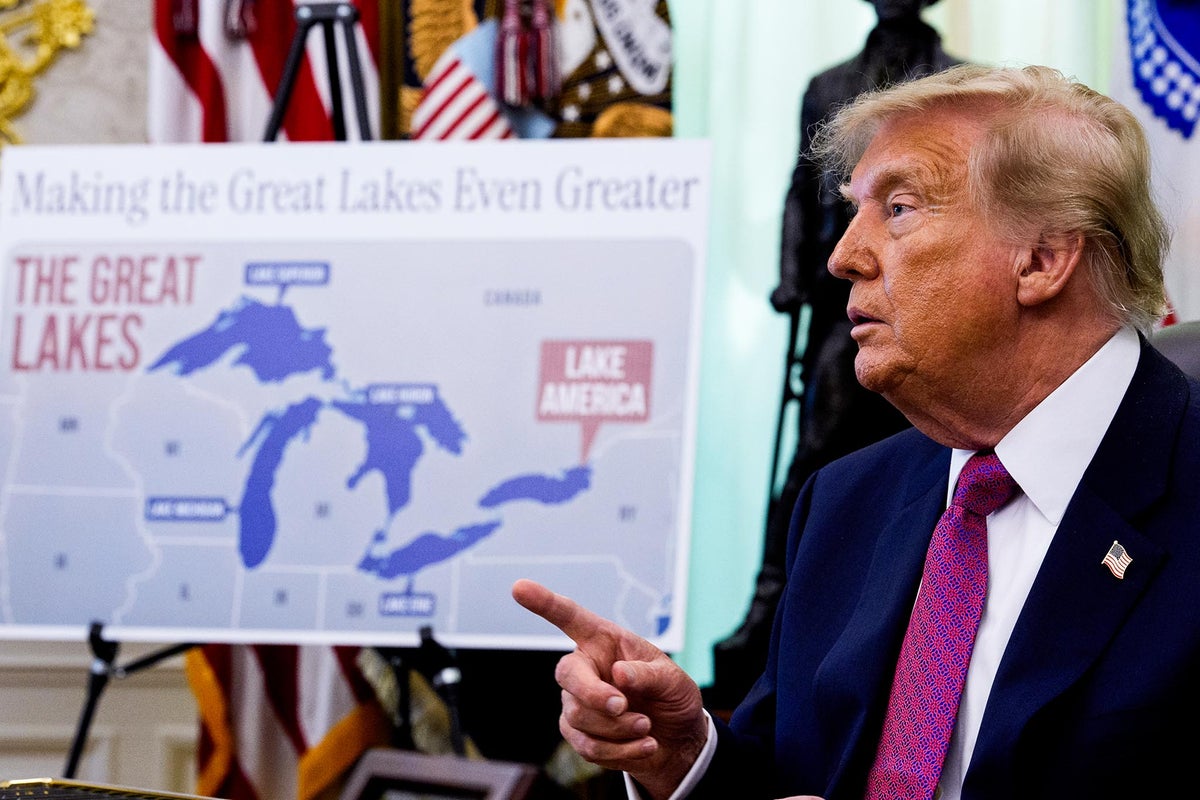
Apple and Google have updated their digital mapping platforms for United States users, officially scrubbing the historical label of Lake Ontario and replacing it with Lake America following a presidential executive order. This rapid capitulation by two trillion-dollar corporations highlights a quiet reality of modern infrastructure. Silicon Valley software giants will ultimately bend to executive pressure when domestic regulatory alignment or direct presidential lobbying enters the equation, regardless of international cartographic standards or indigenous heritage.
The mechanism behind this shift rests on administrative data pipelines. When President Donald Trump signed an executive order directing the Department of the Interior to update official federal designations, the U.S. Geographic Names Information System (GNIS) was legally bound to reflect the change. Google relies heavily on GNIS data to maintain baseline domestic map integrity, making its weekend update a procedural continuation of a long-standing corporate policy. Apple followed days later after a direct phone call from the White House to Cupertino. Interior Secretary Doug Burgum confirmed the direct outreach, noting that the administration actively solicited the modification to ensure consumer-facing technology mirrored federal decree.
Geopolitical context turbocharged the timeline. The cartographic edit arrived amid collapsed trade talks between Washington and Ottawa, accompanied by aggressive fifty percent tariffs on Canadian imports. While the White House framed the renaming around national heritage, the timing mirrored a playbook established early last year when the Gulf of Mexico was unilaterally designated the Gulf of America on domestic federal maps. In both instances, major mapping utilities quietly segmented their databases. Users inside the United States see the nationalist moniker, Canadian users retain the traditional designation, and international audiences encounter split labeling.
Yet, the tech duopoly's compliance was not absolute across the industry. MapQuest, an aging navigation platform operating since the mid-1990s, publicly refused to alter its database, posting a blunt defiance on social media that catalyzed a surge in downloads, briefly pushing the vintage app to the top of the Apple App Store. MapQuest proved that private companies possess complete legal autonomy over their nomenclature, facing zero statutory mandates to enforce executive branch whims.
Canadian leadership responded with swift condemnation. Prime Minister Mark Carney noted that the original name stems from the Wendat word oniatarí:io, translating to the lake of shining waters, a designation predating both the American Declaration of Independence and the Canadian Confederation. Provincial officials in Ontario erected massive physical signage along the shoreline reaffirming the historical title against digital revisions.
By tailoring map layers to national borders, Apple and Google have institutionalized fragmented geography. Cartography is no longer treated as an objective reflection of physical reality, but as a dynamic political canvas subject to the shifting whims of trade disputes and executive commands.