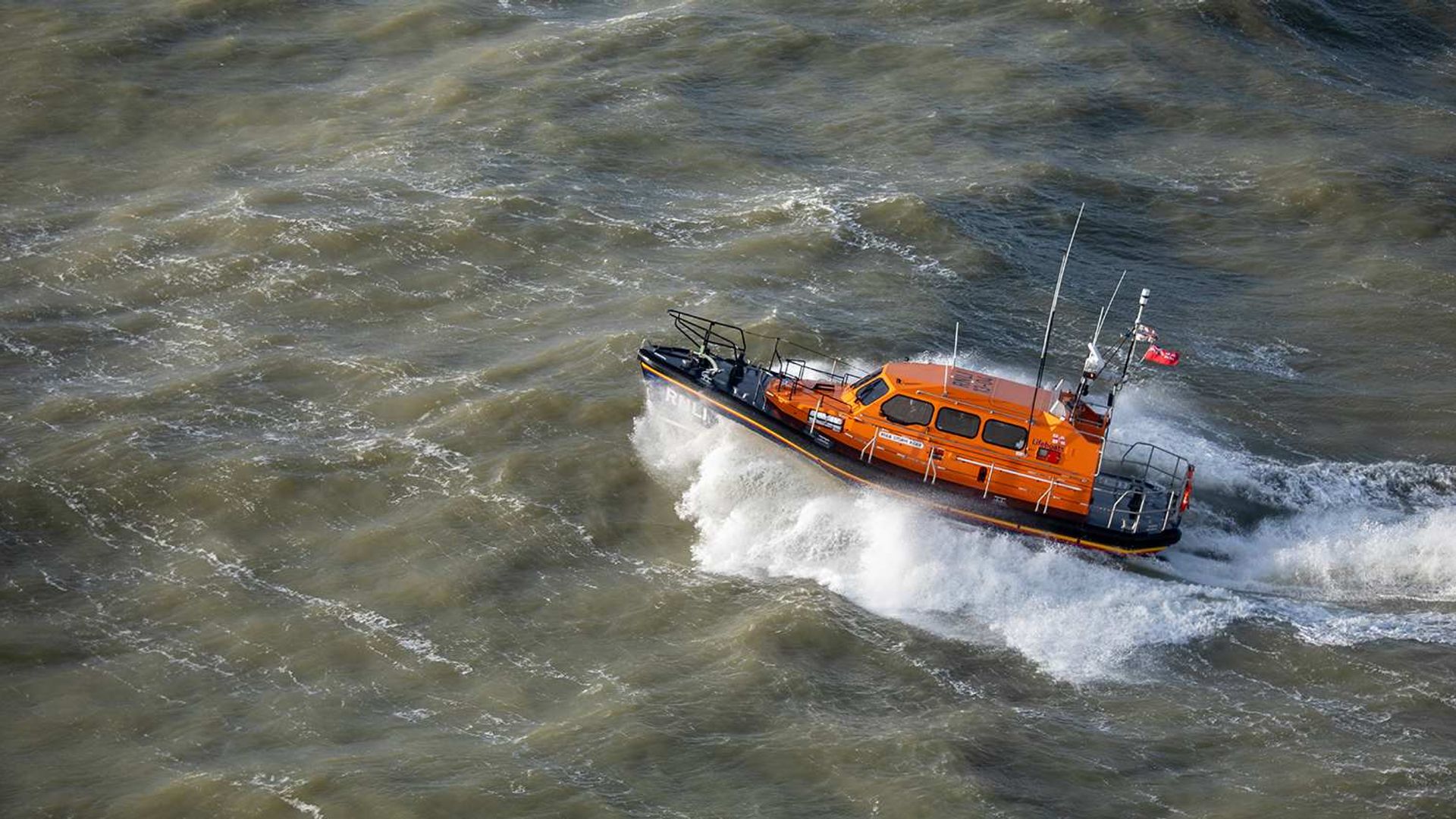
The ocean gives up its secrets on its own terms. When a forensic pathlogist or a coastal investigator receives the call about a body recovered from the surf, the initial details are almost always sparse. A baby's body discovered on a shoreline marks the opening of a profound investigative nightmare, one where time, tide, and environmental exposure wage a relentless war against truth. Months or even years later, communities are left asking how a child could vanish without a single missing person report matching the physical description.
When authorities state that a child may have been in the water for weeks, they are referencing a brutal biological and physical timeline. Seawater is an aggressive preservation agent in some respects and a total destroyer in others. Marine immersion alters soft tissue rapidly through saponification and cellular breakdown. Estimating a post-mortem interval when a body has drifted through varying water temperatures, salinity levels, and marine life zones becomes an exercise in calculated estimation rather than exact science. Pathologists look at skin slippage, adipose tissue changes, and marine scavenger activity. The absence of clothes or identifiers compounds the difficulty. Every tide cycle acts as a shuffle button on the evidence, moving forensic artifacts miles away from the primary point of entry.
Decades of covering missing persons and unidentified remains point to a stark reality. Most infants who end up in coastal waters do not arrive there via mysterious international conspiracies or grand criminal syndicates. The pipeline usually traces back to isolation, poverty, severe postpartum psychological crises, and catastrophic systemic failures within social safety nets. When young parents find themselves entirely unsupported, the margins for survival narrow to zero. Desperation is quiet. It rarely announces itself before tragedy strikes.
Law enforcement agencies face immense hurdles in these specific investigations. Traditional missing persons databases rely on someone actively reporting a person missing. If a transient mother gives birth without medical oversight, or if an undocumented family experiences a tragedy in the shadows, no one files a missing child report. The infant effectively does not exist in administrative ledgers. Investigators must rely on genetic genealogy, isotope testing of tooth enamel to determine where the mother lived during pregnancy, and forensic pollen analysis. These tools are powerful, but they are expensive, time-consuming, and chronically underfunded.
Forensic isotope analysis has transformed how cold cases are approached. By examining the chemical signatures locked in bone and hair, scientists can narrow down geographic regions where a victim consumed water and food months prior. Yet, isotopes tell us where someone was, not who put them there. The gap between geographic origin and personal identity remains vast.
The public reaction follows a predictable, tragic script. Outrage flares for forty-eight hours. Cable news segments dissect the brutality of the discovery. Candlelight vigils materialize on the sand. Then the news cycle turns, and the case fades into an unmaintained digital archive. Meanwhile, detectives stare at dental charts and DNA profiles late into the night, waiting for a familial match that may never cross the wire.
Preventing these tragedies requires an unsparing look at how society treats vulnerable parents. When access to mental health care is restricted, when reproductive healthcare is criminalized or heavily guarded, and when social stigma forces people into total isolation, the risk profile skyrockets. A safe surrender box at a fire station or hospital is useless if a frightened parent does not know it exists or believes utilizing it will land them in a prison cell.
The shoreline will wash up whatever the ocean decides to surrender. Until the underlying societal failures that drive desperate people into the shadows are addressed, the tide will continue to bring heartbreaking reminders of what happens when communities look away from those who need them most.