Headlights do not warn you. They simply arrive, carving a momentary tunnel through the dark before swallowing everything back into shadow.
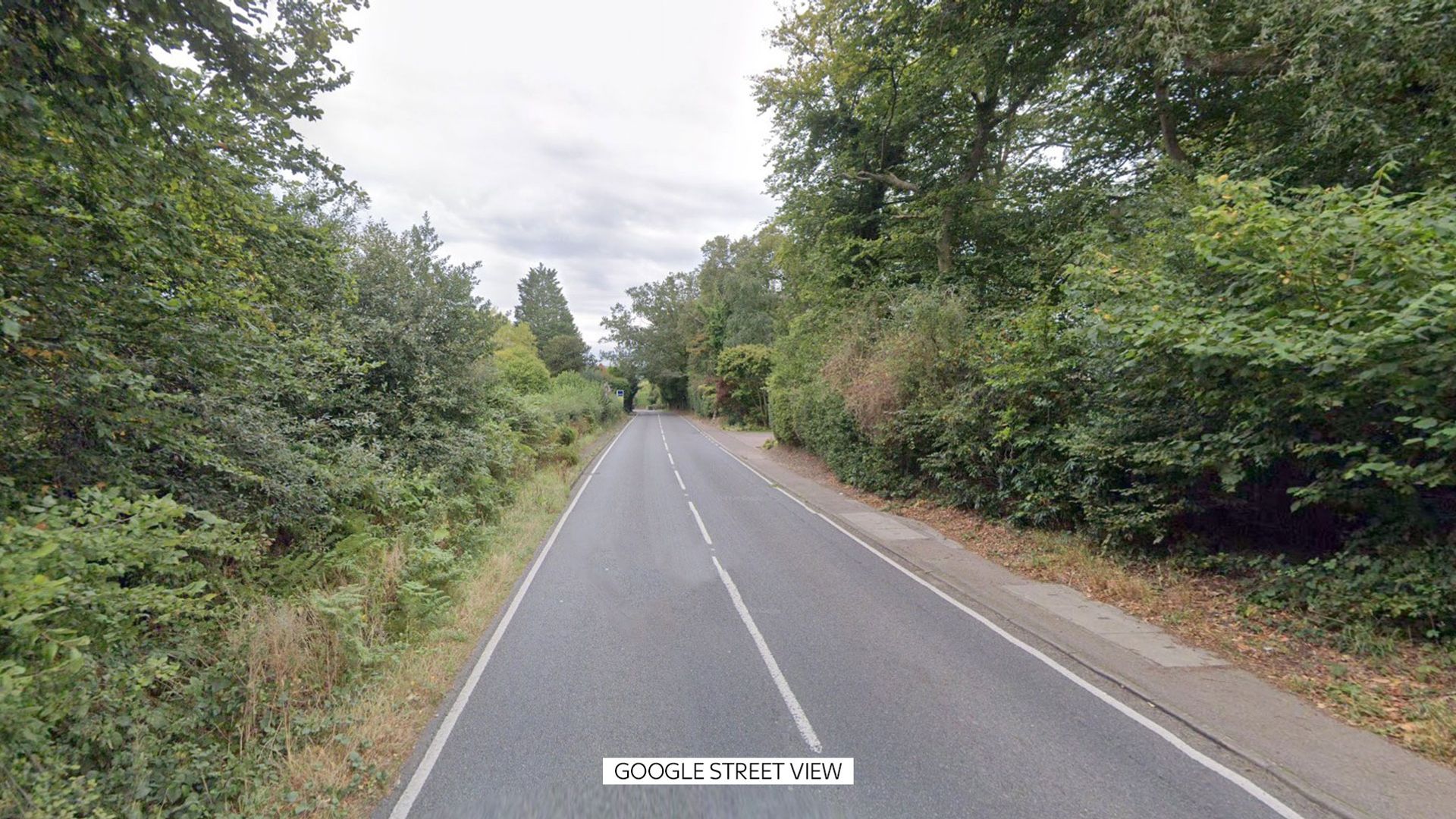
On a stretch of rural asphalt where the guardrails give way to dense pine, two teenagers became another sentence in a police blotter. The local broadcast called it a single-vehicle collision. The newspaper column noted the time, the coordinates, and the makeup of the wreckage. But cold ink misses the weight of the air inside a sedan when laughter abruptly cuts out. It misses the way a steering wheel feels when panic takes the place of muscle memory. Meanwhile, you can read related events here: The Invisible Predation Targeting Retired Expats Abroad.
We process tragedy in numbers because numbers are safe. They keep the raw edge of mortality at a distance. Yet behind every crumpled chassis pulled from a wooded embankment lies a universe of unfinished text messages, discarded coffee cups on floorboards, and keys turned in ignition switches with no thought of finality.
The Physics of Youth and Invincibility
To understand why young drivers find themselves wrapped around oak trees in the small hours of the morning, one must first remember what it feels like to be seventeen. To see the bigger picture, check out the detailed report by The Washington Post.
At seventeen, physics is a theoretical construct discussed in third-period chemistry, entirely separate from the kinetic energy of a two-ton vehicle hurtling down a winding county road at midnight. There is a strange, intoxicating gravity to the dark. The world feels empty, which tricks the mind into believing it is limitless.
Consider the mechanics of the transition. A group of friends leaves a diner or a driveway. The radio plays a song everyone knows the words to. Conversation bounces between trivial jokes and the heavy, secret anxieties of growing up. Attention fractures. A notification pings against a glass screen. For half a second, eyes leave the ribbon of white paint dividing the lanes.
In that half-second, the car does not wait.
Speed compounds error. A slight overcorrection on loose gravel turns into a slide. Friction vanishes. The tires lose their grip on the earth, transitioning from rolling transport to a high-speed projectile governed entirely by momentum.
Driving instructors talk about reaction times, braking distances, and threshold maneuvers. They speak in calm, measured tones in well-lit rooms. They draw diagrams on whiteboards. But none of those diagrams prepare a young mind for the sudden, violent roar of air tearing through shattering glass as metal meets timber.
The Anatomy of a Late-Night Drive
Why were they out there?
It is a question asked by every grieving parent, every detective standing in the beam of a flashlight, every neighbor peering through blinds at flashing red and blue lights.
The answer is rarely reckless malice. More often, it is simply the universal human hunger for autonomy. Adolescence is an extended exercise in pushing boundaries, seeking spaces where adult supervision fades and the contours of identity can be tested against the night. The car is the primary vessel for this freedom. It is a rolling living room, a private theater, an escape pod from the pressures of high school hallways and domestic expectations.
When you slide behind the wheel as a teenager, you are not thinking about accident statistics or insurance premiums. You are thinking about independence. You are feeling the vibrations of the engine through the soles of your shoes and listening to the bass line vibrate through the door panels.
That sensory immersion creates a blind spot. The road becomes a backdrop rather than a hazard.
I remember the feeling myself. The dashboard illumination casting a green or amber glow across the face. The illusion that the night air rushing through the cracked window could somehow blow away the confusion of youth. You feel eternal. Until the road bends sharply left, and the forest decides otherwise.
When the Siren Fades
The sirens always leave first.
First responders arrive with professional urgency. Flares are lit. The acrid stench of scorched rubber, leaking coolant, and crushed plastic fills the damp night air. Jaws of life scream as hydraulic fluid forces open jammed doors.
Then comes the quiet.
The tow trucks clear out. The glass is swept from the pavement, though glittering shards remain wedged in the dirt by the tree line, catching the morning sun like forgotten diamonds. The authorities depart to draft reports that reduce a human life to a case number and a cause of death.
Back in suburban bedrooms, alarm clocks go off at standard hours. Backpacks sit zipped on bedroom floors. Shoes wait by front doors. But the chairs at kitchen tables remain chillingly empty, and the silence that settles over those homes is profound, absolute, and permanent.
Communities rally with casseroles and awkward embraces. Candlelight vigils are held on football fields where teenagers stand shoulder-to-shoulder, weeping openly for friends who were walking the halls just hours before. For a brief moment, the fragility of existence is palpable. People drive slower down that county road. They check their speedometers. They look twice before changing lanes.
Then the memory softens. The rhythm of daily life reasserts itself. The road is repaved, the scarred bark of the tree begins to heal over with sap, and the living world rushes forward once more.
The Echoes in the Wood
We cannot legislate away the impulsivity of youth, nor can we entirely remove the hazards from the geography of growing up. Roads will always wind through dark forests. Cars will always possess the potential for catastrophic speed.
Yet we can change how we talk about these moments. We can look past the dry police summaries and acknowledge the vibrant, messy, irreplaceable humanity of those who didn't make it home.
The forest keeps its secrets well. The fallen leaves cover the skid marks by autumn; the undergrowth reclaims the space by spring. But the echoes of laughter recorded in the metal memory of a crushed frame remain suspended in the dark, waiting for anyone willing to listen to what the quiet is trying to tell us.