The afternoon sun hung low over the courtyard, casting long, geometric shadows against the weathered brick. Friday. The air always felt heavier on a Friday, thick with the scent of roasted cumin, wet earth, and the distinct hum of anticipation. Men and boys streamed through the heavy wooden doors of the neighborhood mosque, their sandals clicking in a steady, rhythmic cadence against the stone. They adjusted their caps, straightened their tunjas, and greeted one another with quiet nods and whispered blessings. It was a routine rehearsed a thousand times across generations—a collective pause in the chaos of a fragile world to anchor oneself in something eternal.
Inside, the cool dimness offered a sanctuary from the blistering heat outside. The rows formed naturally, shoulder to shoulder, foot to foot, erasing the invisible lines of class, wealth, and age that dictated the streets beyond these walls. Here, a rickshaw puller knelt beside a magistrate. A university student bowed next to an elderly tailor whose hands were permanently stained with indigo dye.
Then came the voice. The muezzin’s call to prayer rose, clear and melodic, echoing off the high domes. Heads bowed. Hearts settled.
And then, the world shattered.
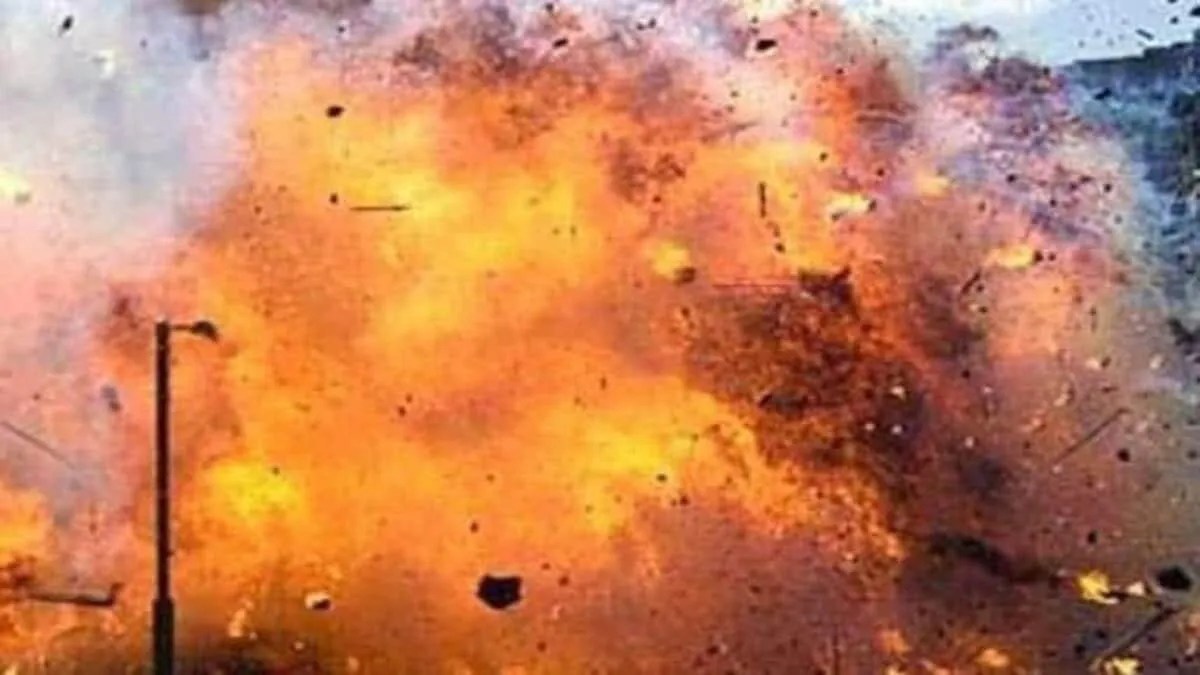
It did not arrive with a warning. It arrived with a violence so absolute, so complete, that sound itself seemed to vanish for a fraction of a second, replaced by a roaring vacuum. The stone walls did not merely crumble; they exploded outward in a storm of jagged shrapnel and pulverised mortar. The air turned thick, choked with an impenetrable, sulfurous grey dust that tasted of copper and ash.
In that single heartbeat, the sanctuary ceased to be a place of refuge.
When the smoke slowly began to thin, revealing the torn arches and the sky gaping where a ceiling had once stood, the true horror of the ordinary day laid bare its teeth. Silence came first—a heavy, disbelieving quiet where the murmur of prayer had been moments before. Then came the groans. The frantic, clawing sounds of hands tearing through rubble.
Fifteen souls. Fifteen lives extinguished in the blink of an eye, while dozens more lay broken among the fallen masonry, their white garments stained crimson against the dust.
We read numbers on a screen. We scroll past headlines while waiting for our morning coffee, reducing human tragedy to a statistic, a brief interruption in a busy feed. Fifteen dead in a mosque bombing. It sounds abstract. Distant. A piece of data from a far-off place. But data does not bleed. Data does not have a mother waiting by a window, or a child clutching a pair of oversized shoes left neatly by the doorway, waiting for a father who is never coming home.
Consider the shoes.
In every mosque across the region, worshippers leave their footwear at the entrance. Rows upon rows of leather loafers, worn sandals, tiny children's sneakers. After the blast, those shoes remained. Dozens of them, untouched by the fury, standing in lonely, heartbreaking alignment. They tell the story better than any report ever could. They represent the suddenness of absence. One moment, a man is stepping out of his shoes to stand before his Creator; the next, those empty shoes are all that remains of his presence in the world.
This is the grim reality of modern violence—it targets the most vulnerable moments of human vulnerability. When people gather in peace, seeking solace, community, and spiritual grounding, they are at their most open. To strike at that moment is not merely an act of destruction; it is an assault on the very idea of sanctuary. It seeks to poison the well of human trust, to make every neighbor look at neighbor with suspicion, to turn houses of peace into arenas of fear.
Yet, as the dust settled over the broken arches, something else happened. It was quiet, almost invisible against the backdrop of devastation, but it was there.
Bare hands began to dig.
Before the sirens wailed, before the official rescue teams could navigate the choked streets, ordinary people emerged from the surrounding alleys. They didn't run away from the danger; they ran toward it. Shopkeepers dropped their shutters. Passersby threw down their bags. They formed human chains, passing chunks of concrete hand to hand, whispering desperate prayers of encouragement into the dark voids beneath the rubble. They used their own shirts as bandages. They carried the wounded in their arms, loading them into the backs of autorickshaws and private cars because every second counted.
In the face of calculated cruelty, human instinct defaults to empathy.
This is the paradox we live in. We possess an infinite capacity to inflict unimaginable pain upon one another, driven by twisted ideologies and cold malice. Yet, standing right beside that darkness is a fierce, stubborn refusal to let love be entirely extinguished. The same hands that built the walls will pull them down to save a stranger.
The families of the victims will bury their dead in the coming days. The physical scars on the neighborhood will be patched over with new mortar, though the jagged edges will remain etched in the collective memory of those who lived through the horror. The headlines will shift to a new crisis, a new tragedy, as the relentless news cycle grinds forward.
But the empty shoes by the doorway will not be forgotten. They remain as a quiet testament to a Friday afternoon that started with a prayer and ended in eternity, reminding us of the terrible fragility of life—and the enduring strength of the hands that reach out in the dark.