You can't talk about modern Maine politics without talking about Shenna Bellows. Long before she grabbed national headlines for a high-profile constitutional decision regarding Donald Trump's ballot eligibility, she was carving out a specific, highly active identity within the state's political infrastructure.
Understanding who Shenna Bellows is requires looking past the cable news soundbites. She isn't a newcomer testing the political waters; she's a seasoned operative, a former state senator, and currently serves as Maine's 50th Secretary of State. Her career spans grassroots organizing, civil liberties advocacy, and tough statewide campaigns. If you're trying to figure out her political trajectory, her priorities, and why her name constantly surfaces for higher office, you need to look at the ground-level work she has done right here in Maine.
From a Hancock Log Cabin to the State House
To understand her political brand, you have to look at where she started. Bellows grew up in Hancock, Maine. Her upbringing wasn't easy; she was raised by a carpenter and a nurse, and her family lived without running water or electricity until she was in the fifth grade. That working-class background heavily influences how she talks to voters and frames policy. It isn't just a talking point for her. It's the foundation of her political identity.
She left Maine to attend Middlebury College, graduating in 1997 with a degree in international politics and economics. She then built a diverse resume outside the traditional political pipeline:
- Served as a Peace Corps volunteer in Panama, focusing on small business development.
- Worked as an AmeriCorps VISTA volunteer in Nashville, Tennessee, helping young people in public housing.
- Spent eight years as the Executive Director of the ACLU of Maine.
Her time at the ACLU solidified her reputation as a formidable organizer. She spearheaded major state coalitions, leading the charge on high-stakes efforts like the 2012 marriage equality campaign and the push to protect same-day voter registration. She focused heavily on privacy laws, successfully organizing campaigns to require warrants for cell phone data access and fighting warrantless drone surveillance. Her style wasn't just progressive ideological rhetoric; she regularly built coalitions that included civil libertarians, Democrats, and traditional conservative gun owners who valued strict privacy rights.
The 2014 Senate Run and Statehouse Record
In 2014, Bellows stepped directly onto the national stage by challenging longtime incumbent Republican U.S. Senator Susan Collins. It was a brutal introduction to statewide electoral politics. Collins was an entrenched, highly popular figure at the time, and Bellows lost the race by more than 30 points.
Instead of retreating, she reset her strategy and focused on local office. In 2016, she won a seat in the Maine State Senate, representing District 14. She held that seat until 2020. What made her state senate tenure notable was her ability to win and retain a district that simultaneously voted for Donald Trump.
During her time in Augusta, she chaired the Labor and Housing Committee. Her legislative record centered squarely on working-class issues, passing legislation related to equal pay, paid sick leave, and property tax relief for seniors. She didn't fade into the background; she kept her profile high and focused on tangible, local policy victories.
Driving Modernization as Secretary of State
In late 2020, the Maine Legislature elected Bellows as the state's 50th Secretary of State, making her the first woman to ever hold the position. She took office in January 2021 and immediately went to work on structural, operational reforms.
Her tenure has been defined by a heavy push toward government modernization. If you've noticed a shift in how Maine handles everyday administrative tasks, it likely links back to her office. Under her leadership, the Bureau of Motor Vehicles shifted to an online appointment system. She also implemented online voter registration and automatic voter registration at the BMV, streamlining processes that had been clunky and antiquated for decades.
These administrative updates bore fruit on a macro level. In the 2022 midterm elections, Maine led the entire nation in voter turnout. Bellows used that success to build her case as an executive who knows how to make government systems run efficiently while simultaneously expanding ballot access.
Navigating the National Spotlight and What Lies Ahead
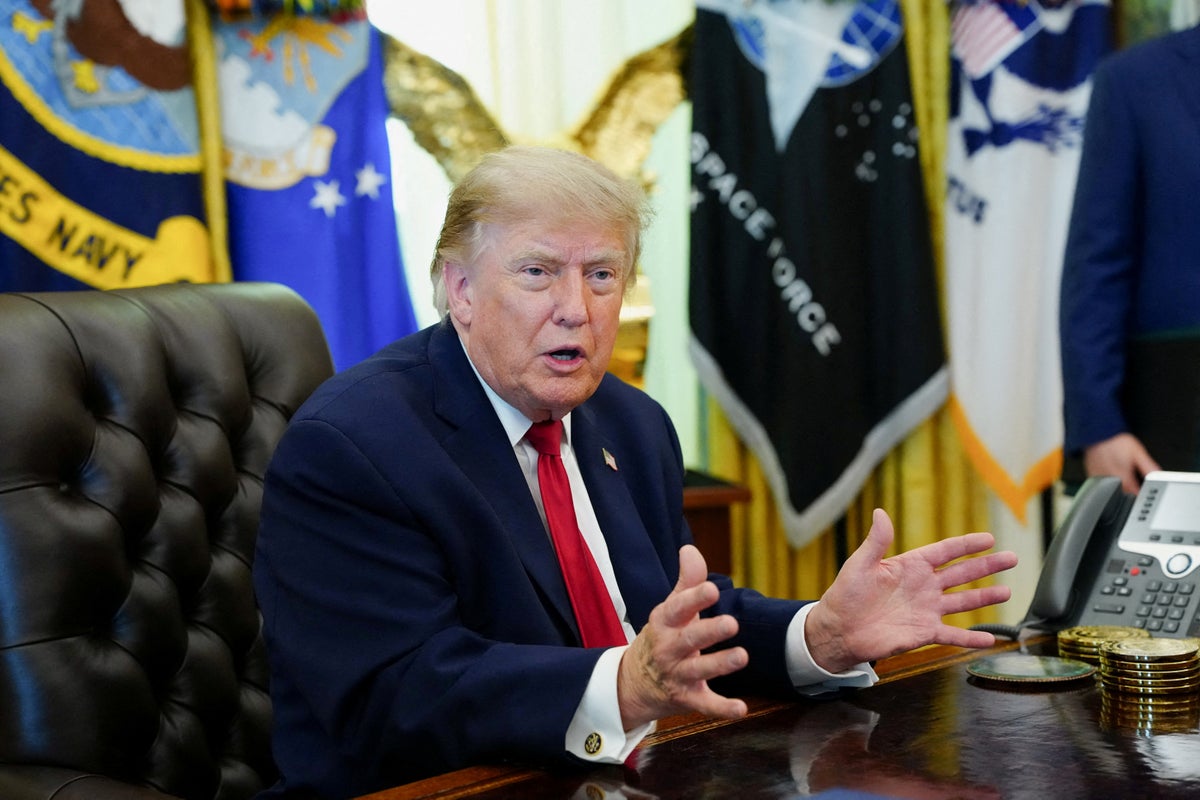
Bellows became a household name across the country in December 2023 when she ruled that Donald Trump was disqualified from Maine’s presidential primary ballot under the 14th Amendment's "insurrectionist clause." The decision thrust her into a fierce national media storm, leading to intense scrutiny, public doxing, and swatting incidents at her home. While the U.S. Supreme Court ultimately reversed the ballot removal in early 2024, the episode permanently cemented her status as a national political figure willing to make highly controversial, high-stakes decisions.
Her ambitions haven't slowed down. She entered the highly competitive 2026 Democratic primary for Governor of Maine, presenting a bold platform she called a "New Deal for Maine" that focused on housing affordability, universal healthcare, and education funding. While she didn't secure the nomination in that June 2026 primary race, the campaign allowed her to build an extensive statewide donor network and sharpen her policy platform for the future.
If you are tracking where Maine politics goes next, keep your eyes on how Bellows leverages her deep organizational roots and her current administrative role. Her focus on state agency modernization, coupled with an unapologetic defense of voting rights and working-class economic policies, ensures she remains a powerful force in the state. Pay close attention to her upcoming legislative priorities regarding digital privacy and ballot security. Watching how she navigates the remainder of her term as Secretary of State will give you the clearest blueprint of her eventual next move on the statewide or national stage.