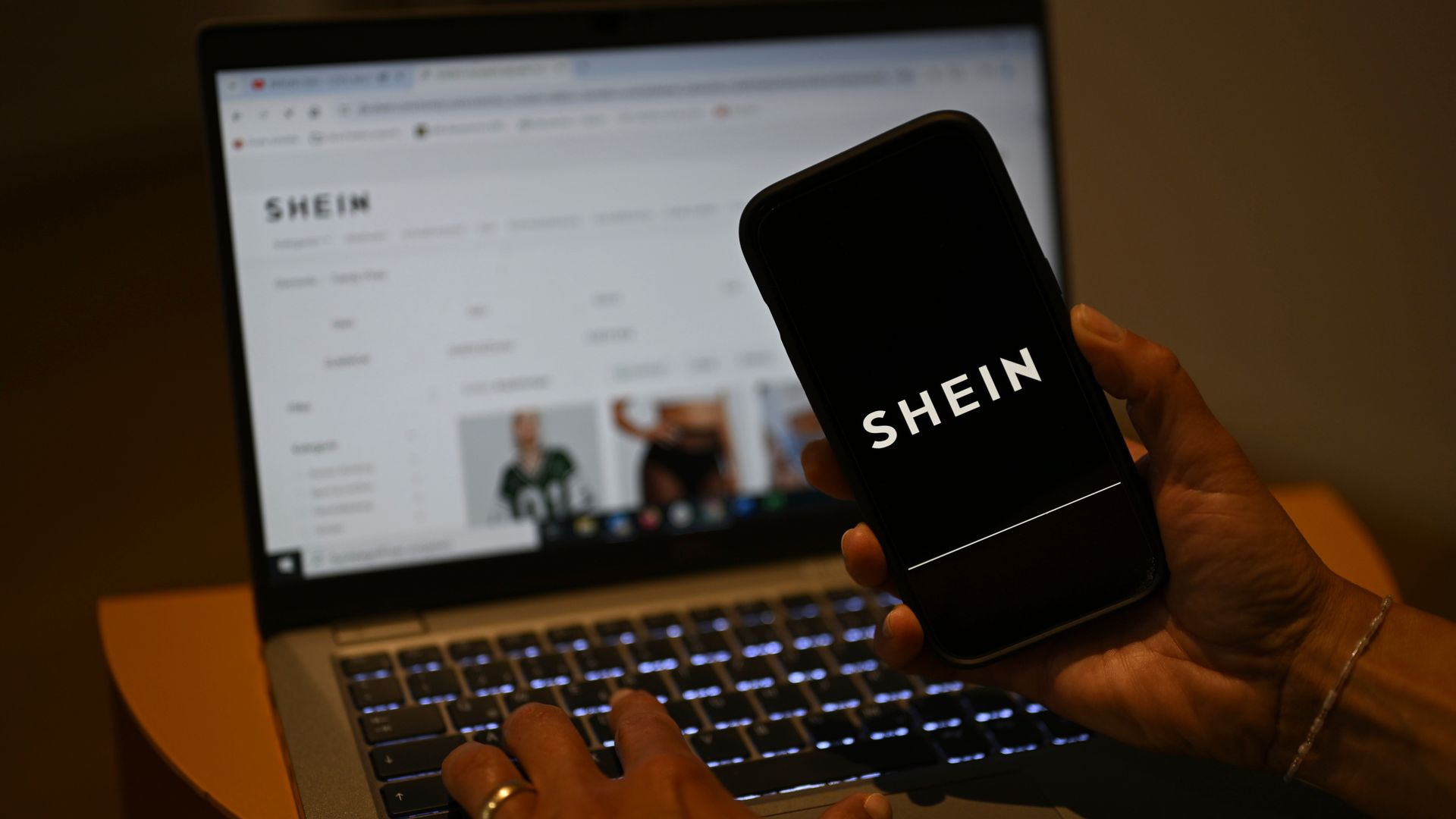
Shein wanted a hundred billion dollars. Private markets told them yes back in 2022, high on cheap money and pandemic shopping habits. Reality hits hard when you finally try to list your shares publicly. The ultra-fast-fashion titan is now aiming for a modest twenty-seven billion dollar valuation as it heads toward a Hong Kong debut. That drop is massive. It tells you everything about how public markets view cross-border e-commerce right now.
The Shrinking Price Tag
Private funding rounds used to throw gigantic numbers around like confetti. Today, public investors demand actual profit stability and regulatory safety. Shein filed to offer nearly two hundred and eighty million shares priced between HK$47.60 and HK$49.50. At the absolute peak of that range, the valuation scrapes twenty-seven billion dollars.
Compare that to the peak private valuation touching nearly a hundred billion. That is a seventy-three percent haircut. Wall Street giants like Goldman Sachs, Morgan Stanley, and JPMorgan are backing the initial public offering, but they cannot ignore shifting global economic tides. Public markets are pricing in a lot more risk than private venture capitalists ever cared to measure.
Regulatory Walls and Broken US Dreams
Why did it take so long to get here? Shein originally planned to list in New York, then pivoted to London. Both paths slammed into heavy regulatory brick walls. Lawmakers raised fierce questions regarding supply chain transparency, labor practices, and the clever exploitation of tax loopholes.
The US removal of low-value import duty exemptions hit the business model right where it hurts. Suddenly, shipping individual cheap packages directly from Chinese factories without paying standard tariffs stopped being a free pass. Shein posted a quarterly loss of ninety-nine million dollars earlier in the year as sales growth stalled and costs climbed. Profits evaporated from a net income of nearly four hundred million dollars the year before. You cannot scale a massive global empire on vibes alone when tariffs and compliance costs start eating your margins.
Pacifying Early Investors
Going public at a fraction of your previous valuation creates an angry mob of early backers. Shein knows this game well. To smooth over the drop, the company agreed to shell out up to three and a half billion dollars to select pre-ipo investors.
This includes massive cash payouts and additional stock issuances designed to cover conversion adjustments. Funding these cushions from internal financial resources proves they desperately need these specific shareholders on board for a successful launch. It is an expensive peace offering.
What This Means For The Future of Retail
Active customers still grew past two hundred and eighty million, placing over a billion orders. Demand has not vanished. People love cheap clothes delivered straight to their doorstep. But the era of treating tech-retail startups like infinite-growth machines is officially over.
Public markets want to see how these companies survive trade wars, shifting tax laws, and intense scrutiny over factory conditions. Shein is trading its high-flying unicorn status for survival on the public ledger. Watch how the stock behaves once trading actually opens. That performance will set the benchmark for every other cross-border discop-shipping giant hoping to cash out.