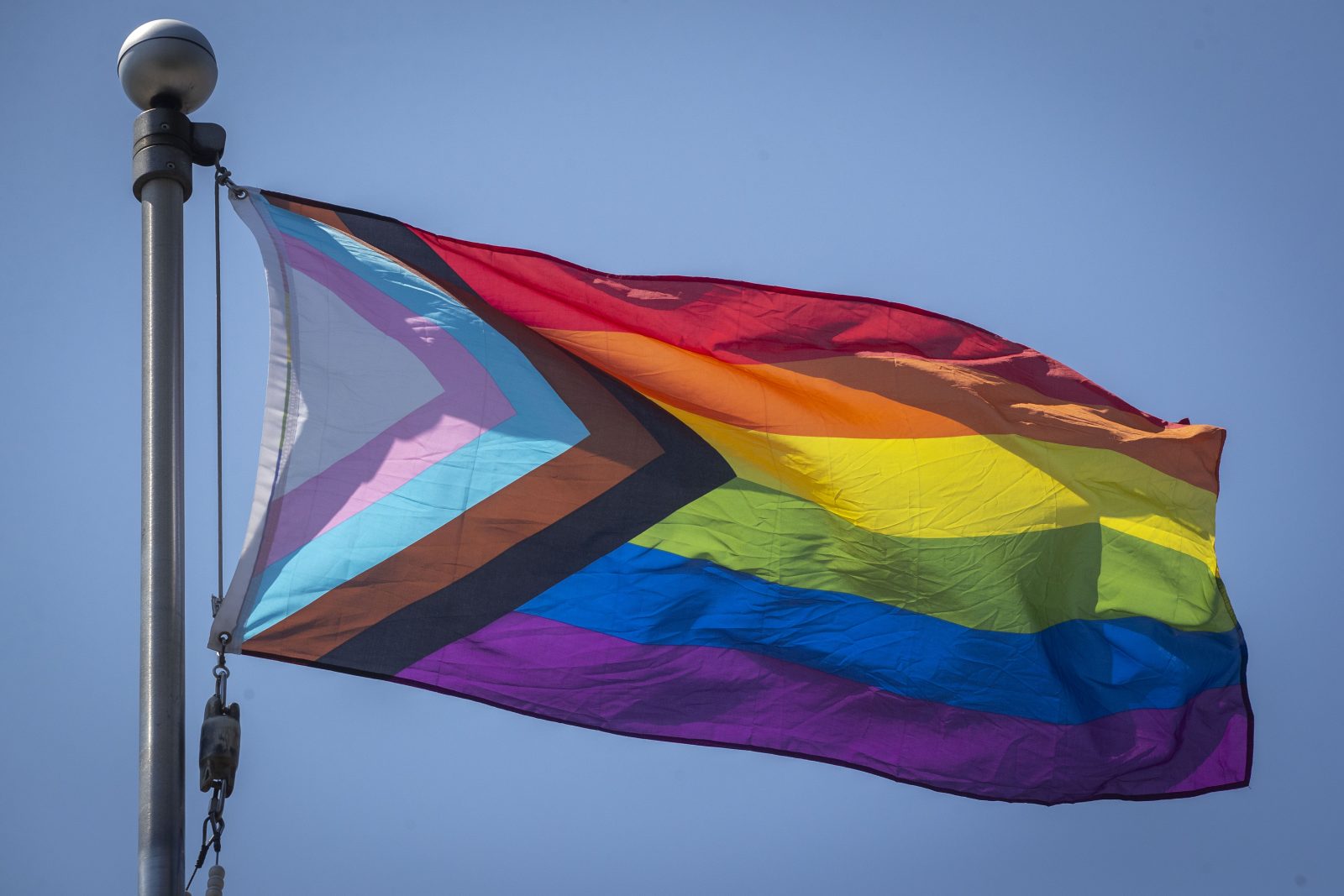
The air along the parade route always smells the same before it begins. It is a mix of hot asphalt, sunscreen, stale cotton candy, and the nervous, electric hum of a thousand people who have decided, for at least one afternoon, to take up space without apology. Banners snap in the wind. Glitter catches the late-summer light. For many, standing shoulder-to-shoulder in the open street is an act of long-fought joy.
But joy rarely arrives untethered from its history. Also making waves recently: Why Every Third Term Headline Is Pure Garbage.
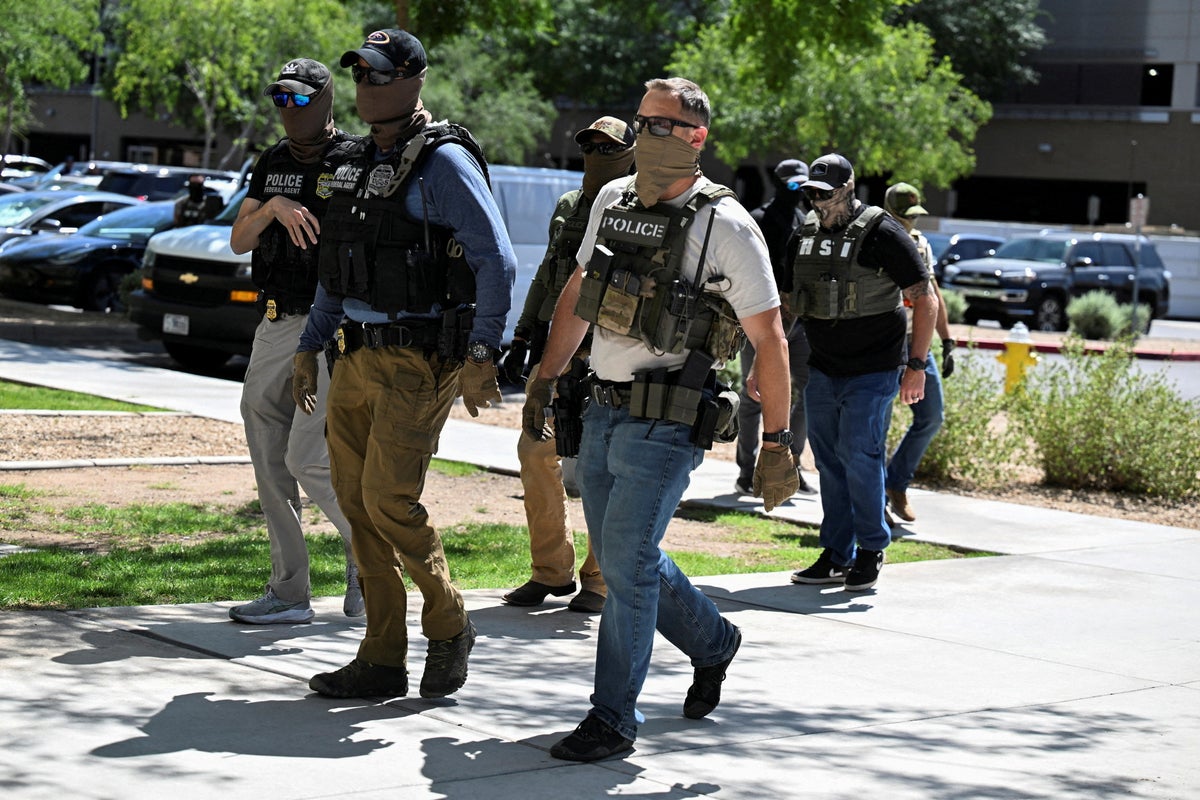
Down the block, a row of cruisers idles. Their presence is meant to signal order. To a newcomer, they might look like standard municipal scaffolding—the heavy metal barriers and blinking lights that keep a festival from spilling into oncoming traffic. To anyone who remembers the bathhouse raids, the late-night interrogations, or the decades when wearing your heart on your sleeve could cost you a career, that same cruiser is a sudden drop in temperature. It is a reminder that the institutions tasked with keeping the peace have not always kept them.
This is the fault line running beneath the return of the Edmonton Pride parade. Organizers find themselves caught between two entirely different definitions of what it means to be safe. On one side stand advocacy groups like RaricaNow, cutting ties and pulling out of the festivities. Their logic is clear and rooted in lived survival: you cannot celebrate liberation alongside the very systems that historically policed, marginalized, and brutalized queer and racialized bodies. When founder Adebayo Chris Katiiti speaks about the weight of anti-Black racism and state violence, he is not speaking in abstractions. He is speaking of a ledger written in real scars. Further insights into this topic are covered by Reuters.
Consider what happens next in the planning room. Festival producer Trevor Watson faces a terrible calculation. Recent headlines from global celebrations—attacks at events in Berlin and Vancouver—hang heavy over the committee. The world outside the barricades has grown increasingly volatile for anyone daring to gather under a rainbow banner. When you are the one holding the permit, when you are the one looking at liability waivers and threat assessments, the calculus shifts from ideological purity to a terrifying baseline question: Will everyone go home alive tonight?
"I will gladly stand before my community and defend every precaution we took," Watson stated during a press conference that laid bare the agony of the choice. "But I will never stand before a grieving family and explain the precaution that could have protected someone they love was left undone because we were afraid of criticism."
It is a sentence designed to fracture consensus.
How do you reconcile physical safety with psychological safety? They are not the same thing. Psychological safety is the freedom to breathe out, to look around a plaza and see only faces that mirror your own vulnerability and strength, untainted by the shadow of a badge. Physical safety, in our current climate, sometimes demands the very presence that punctures that peace.
The Edmonton Police Service is not marching in the parade. Their role this weekend is mapped out behind the scenes—managing the heavy steel barricades, handling emergency access, running sweeps. To a criminologist or a municipal risk assessor, it is a standard operational blueprint for any mass gathering of tens of thousands of souls. To a trans teenager standing near the front lines, wondering if the state has their back or a file on them, it is an unsettling compromise.
Mayor Andrew Knack acknowledged this fracture, noting the acute alienation felt by members of the trans community who look at the festival's arrangements and see a breach of trust. Yet, he still plans to walk, hoping to bridge a gap that widens with every press release and retracted endorsement.
This is the messy, unresolved reality of modern community organizing. Progress is rarely a straight march forward; more often, it is a circular argument held in the middle of a crowded street while the drums beat a steady rhythm just out of sync.
The floats will roll out. The crowds will cheer. The barricades will hold back the traffic. But as the sun dips behind the downtown towers, the deeper question will remain suspended in the cooling air, waiting for an answer no policy document can easily write.