The coffee in the glass cup on my desk had gone cold hours ago, forming a greasy ring near the rim. Outside, the Parisian winter air bit with a sharp, iron-scented edge, but inside the boardroom, the climate was measured, antiseptic, and entirely divorced from the weather. We were looking at a spreadsheet that looked like a battle map. Numbers flickered across the screen, tracking tankers moving silently across freezing northern waters. Millions of tons of super-cooled liquefied natural gas, slicing through the dark.
For months, the headlines had trumpeted a clean break. Europe had sworn off the old pipeline ties. We told ourselves the cord was cut, the dependency broken, the moral ledger wiped clean. But spreadsheets do not care about rhetoric. They care about molecules. And when you trace the invisible plumbing of the global energy market, you find that breaking up with an empire built on fossil fuels is not an act of severance. It is an act of origami. You fold the edges under. You tuck the seams out of sight. You call it progress.
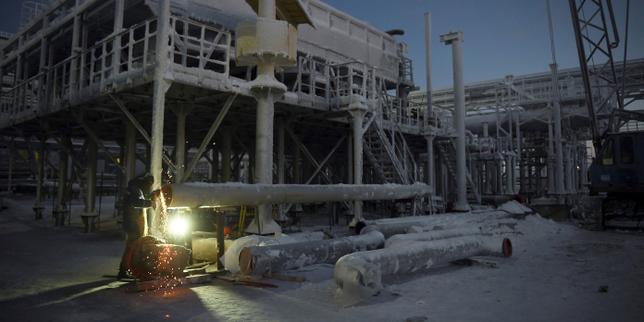
Take TotalEnergies. To understand what they did, you have to stop looking at corporate press releases and start looking at the geography of compromise. They did not pack their bags and march out of the Arctic frost. They adjusted their grip. They reduced their financial exposure to Russian gas, pulling back from certain equity stakes while quietly maintaining long-term contractual obligations that keep the Yamal LNG shipments flowing to Western terminals.
Imagine standing on the deck of a carrier ship off the coast of Yamal. The wind howls at forty knots, tearing the breath straight from your lungs. The metal beneath your boots vibrates with a deep, subterranean roar—the sound of gas being chilled to minus one hundred and sixty-two degrees Celsius, shrinking into a liquid state so it can cross oceans inside the belly of a steel leviathan. That gas does not care about geopolitics. It cares about pressure, volume, and combustion.
When the geopolitical earthquake hit Europe, energy executives faced an impossible arithmetic. Cut the cord entirely, and local factories freeze, electricity grids buckle, and the social fabric tears under the weight of runaway inflation. Keep the taps wide open, and you become the financier of a war machine. So, what do you do? You thread the needle. You reduce exposure. You sell off minority stakes in joint ventures, booking a paper loss to appease the moral auditors, while locking in supply contracts that ensure your tankers still have cargo to burn.
It is a masterclass in corporate acrobatics.
To the casual observer, stepping back from equity ownership looks like an exit. It sounds clean. We are no longer owners. But ownership is only one lever of power in the modern economy. Offtake agreements—the legal promises to buy a specific volume of gas over decades—are the real sinew. By shedding the volatile equity risk while clinging to the supply contracts, major energy players managed a neat trick. They insulated their balance sheets from direct sanction blowback while ensuring their distribution networks never ran dry.
I remember talking to an energy trader in Geneva a few years back, long before the tanks rolled across the border. He laughed when I asked him about energy independence. He poured a finger of amber scotch, swirled the ice, and shook his head.
"Independence is a political fairy tale," he told me, his eyes reflecting the amber light of the glass. "Energy is a river. You can build a dam, you can dig a canal, you can divert the flow through three different countries and slap a new label on the barrel. But the water always finds the turbine."
That conversation haunted me while reading the latest disclosures on European gas imports. We talk about sanctions as if they are walls of solid stone. In reality, they are sieves. Highly sophisticated, bureaucratic sieves, designed to let just enough fluid through to keep the global economy from seizing up, while catching enough debris to satisfy public outrage.
The human cost of this balancing act is entirely invisible until it hits your utility bill, or worse, until you trace the supply chain back to the permafrost. On paper, TotalEnergies lowered its direct exposure. They wrote down assets. They shifted capital toward solar fields in the American desert and wind farms off the Scottish coast. Those green investments are real. They are massive, gleaming monuments to the energy transition. Acres of photovoltaic cells catching the southern sun. Towering white turbines slicing the North Sea mist.
Yet, those green ambitions are financed by cash flow generated from fossil fuels. That is the dirty paradox sitting at the heart of the modern corporate transition. The funds required to build the energy system of tomorrow are being wrung from the contested hydrocarbons of today. Every time a consumer flips a light switch in Lyon or Brussels, a fraction of that current traces back to a complex compromise struck in a boardroom where pragmatism defeated purity.
We want our heroes and our villains neatly separated. We want the story to be simple: the corporate giant either stood up to the aggressor or stayed to profit from the blood. But reality is an untidy beast. It refuses to fit into the tidy boxes we build for it.
Consider what happens next. As long as global demand outstrips the supply of green alternatives, companies caught in the middle will continue to walk this tightrope. They will divest just enough to satisfy the ratings agencies and institutional investors who obsess over environmental, social, and governance scores. At the same time, they will preserve just enough commercial linkage to keep their profit margins intact and their industrial customers operational.
It is a choreography of survival.
We walk through our cities surrounded by the invisible fruits of these compromises. The asphalt beneath our feet, the plastic casing of our phones, the heat radiating from our radiators—all of it born from a tangled web of extraction, diplomacy, and quiet calculation. The executives making these calls are not mustache-twirling villains; nor are they saints. They are risk managers staring into a abyss of scarcity, calculating how many degrees of separation are required to make a dirty fuel look clean enough for public consumption.
The wind outside my window has picked up, rattling the loose panes of glass. On the screen, the numbers keep updating, silent and relentless. The tankers keep moving through the dark northern waters, their cargo hidden in plain sight, keeping a continent warm while it pretends to look the other way.