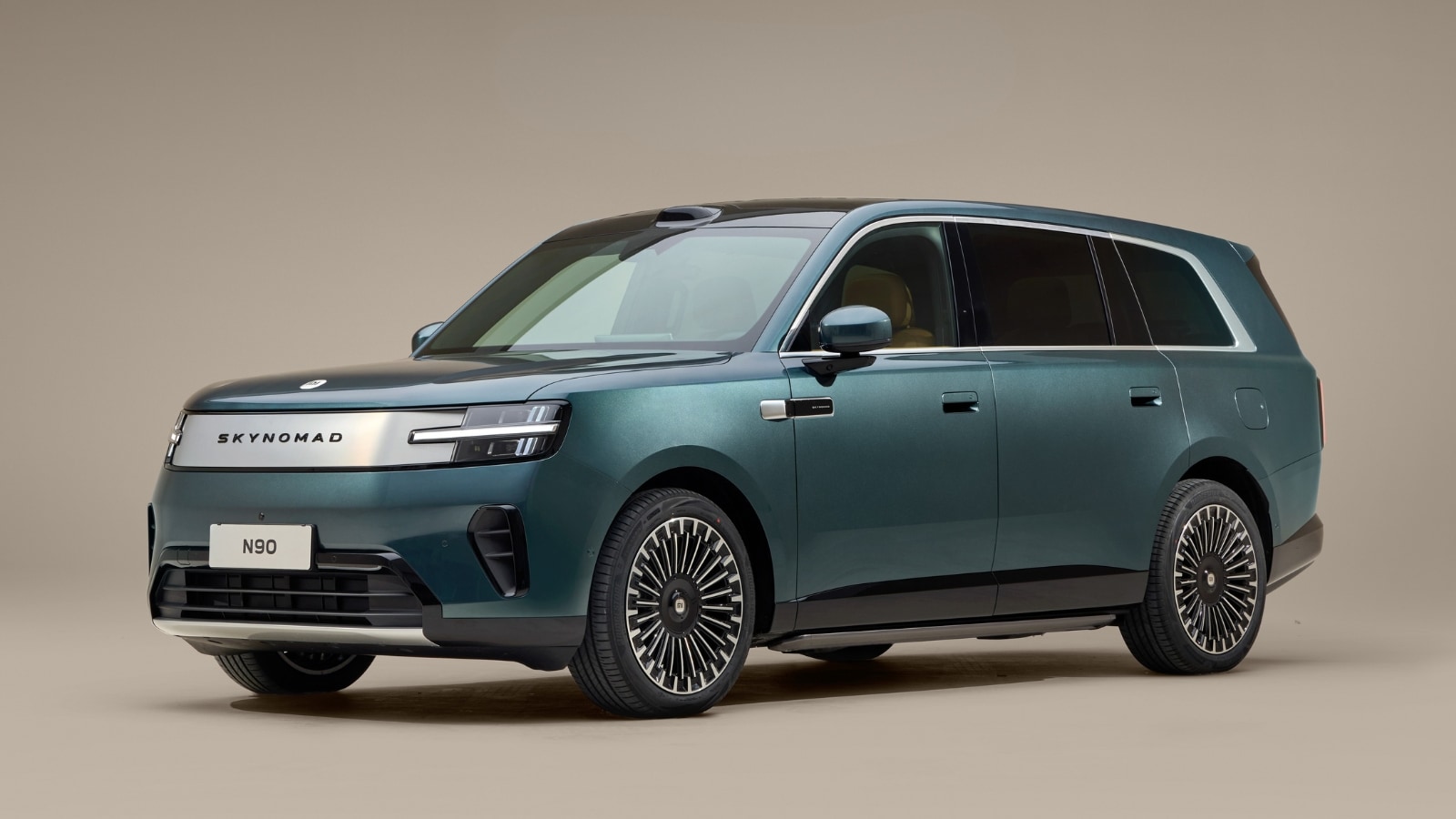
Every gadget blog on the internet just lost its collective mind over a sheet metal box that turns into a mattress.
The headline writes itself: Xiaomi drops the SkyNomad N90 SUV, claims a seventeen hundred kilometer range on a single gulp of fuel, packs seven seats, and folds flat into a bedroom for weary travelers. The tech media is tripping over their own keyboards praising the sheer genius of a vehicle that doubles as a campground.
They are missing the entire point. I have watched automotive startups burn through billions of dollars chasing lifestyle gimmicks while ignoring the cold, hard physics of what an automobile is actually engineered to do.
The SkyNomad N90 is not a stroke of genius. It is a symptom of an industry suffering from an identity crisis, catering to buyers who want their cars to be Swiss Army knives, even if every single tool on the knife is mediocre.
Let us dismantle the illusion.
The Range Myth And The Weight Penalty
The core selling point of this machine is the monster range number. Seventeen hundred kilometers. You read that figure and picture yourself crossing continents without stopping at a single charger or pump.
Here is what the spec sheet leaves out.
Achieving that kind of distance requires an unholy marriage of massive battery packs and auxiliary range extenders or oversized fuel tanks. Weight is the mortal enemy of vehicle efficiency. Every pound of thermal management hardware, every extra gallon of liquid fuel, and every structural reinforcement needed to support a seven-seat layout turns the chassis into a literal anchor.
When you add a bed frame, heavy motorized folding mechanisms, and the safety reinforcements required to keep seven passengers alive during a frontal impact, you build a tank. Tanks do not corner well. They chew through tires at an alarming rate. They degrade asphalt faster than standard passenger cars.
I have spent the last fifteen years tearing down powertrain layouts and analyzing curb weights for commercial fleets. The math does not care about your marketing slides. When you pack three rows of seats and a folding mattress system into a single footprint, you are paying a permanent weight tax every single time you drive to the grocery store. You are hauling around dead infrastructure ninety-five percent of the time just so you can sleep flat twice a year.
The Bedroom Delusion
Nobody actually wants to sleep in their car on a regular basis unless they are priced out of housing or stranded on a highway.
The automotive press loves to romanticize car camping. They publish glossy photos of influencers waking up to a misty sunrise through a panoramic sunroof. They talk about the convenience of skipping hotel bills.
This is fantasy.
Let us look at the realities of turning an interior cabin into a bedroom. First, where does your luggage go when the seats fold down to make the bed? Unless you enjoy sleeping with your suitcases under your thighs, your gear has to migrate outside. That means roof boxes, hitch carriers, or leaving your clothes in the dirt.
Second, humanity produces moisture. A human body breathes out roughly a liter of water every night while sleeping. Inside a sealed, climate-controlled cabin with zero adequate cross-ventilation, that moisture hits the cold interior glass and metal panels, turning your high tech cabin into a literal swamp by four in the morning. You wake up damp, smelling yesterday's road dust, staring at a condensation-fogged roof.
If you want to camp, buy a tent. If you want a car, buy a car that drives like a car, not a mobile Murphy bed.
Why Three Rows Ruin The Ride
Let us talk about the seating configuration. Seven seats in a vehicle styled like an adventure cruiser means compromises in every single row.
To make room for a fold-flat bed platform, engineers have to manipulate floor heights, seat track angles, and cargo depth. This forces ergonomic compromises. The second row slides too close to the front. The third row becomes a punishment chamber reserved for children under four feet tall.
People buy three-row SUVs thinking they are prepared for every social contingency. In reality, they spend ninety percent of their commute driving alone, hauling two tons of empty steel and leather through urban traffic.
We have confused capacity with utility. A dedicated cargo van hauls gear better. A dedicated sedan or mid-size crossover handles better, stops shorter, and gets real-world efficiency that doesn't rely on marketing sleight-of-hand.
The Software Trap
Xiaomi is a consumer electronics giant. They build phones, vacuum cleaners, and smart home hubs. When a consumer electronics company builds a car, their primary design vector is not driving dynamics, crash safety architecture, or long-term component durability.
Their vector is screens.
They pack the dashboard with entertainment displays, voice assistants, and ecosystem integration that connects your car to your smart refrigerator. They treat the vehicle like an iPad on wheels.
Driving a two-ton vehicle at highway speeds requires absolute tactile feedback and zero cognitive load interruptions. When your climate controls, seat adjustments, and mirror placements are buried three menus deep behind a sleek touchscreen interface, you are introducing a massive distraction vector.
The industry calls this user experience innovation. Mechanics and safety engineers call it a liability.
The Counter-Intuitively Better Choice
If you want a vehicle that actually solves transportation problems instead of creating new ones, stop looking for Swiss Army knives.
- Buy for your everyday use case, not your vacation fantasies. If you need a bed twice a year, rent a cabin or buy a tent. Do not buy a daily driver compromised by hinges and folding mechanisms you will rarely touch.
- Prioritize power-to-weight ratio over headline range stats. A lighter vehicle with a smaller footprint is safer, cheaper to maintain, and more engaging to pilot.
- Reject gimmick-driven design. If a feature requires a motorized sequence of transformations just to achieve a basic function, it is a future warranty claim waiting to happen.
The SkyNomad N90 is a brilliant piece of marketing theater. It looks great on a launch stage. It generates clicks, shares, and pre-order deposits from people who dream of escaping the grid on Friday afternoons but spend their actual lives sitting in gridlock on the interstate.
Stop buying the fantasy. Start demanding vehicles that do the boring stuff right.
Because when the novelty of sleeping in your backseat wears off, you are still left driving a heavy, over-screened compromise to work every single morning.