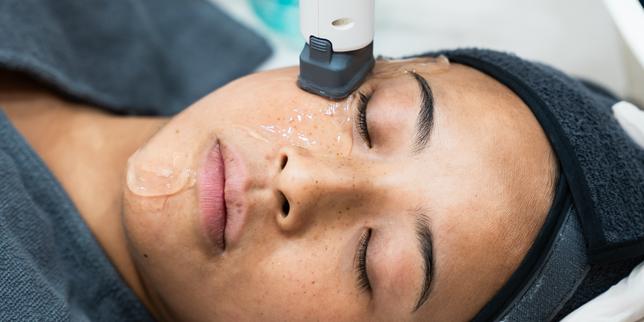
Thousands of foreign travelers land at Incheon International Airport every month carrying a singular objective. They want the immaculate, poreless radiance marketed globally as the South Korean glass skin standard. Armed with packed itineraries and credit cards, these medical tourists bypass traditional tourist sights to head straight for the neon-drenched avenues of Gangnam. Rows of gleaming dermatological clinics await them, promising miraculous transformations through high-tech lasers, micro-needling, and proprietary polynucleotide injections.
Yet beneath the polished veneer of this multi-billion-dollar aesthetic boom lies an industrial reality driven by rapid-fire patient turnover and aggressive upselling. Understanding why so many international patients make the pilgrimage requires looking past the viral social media testimonials to examine how Seoul built the most efficient skin-treatment machine on the planet.
The Factory Floor of Aesthetics
Walking into a high-volume dermatology clinic in southern Seoul feels less like visiting a medical office and more like navigating an upscale airport lounge. Multilingual coordinators hand out digital tablets, conduct rapid skin analyses via high-resolution imaging devices, and present menu options categorized by price point and downtime.
The underlying architecture of this system relies on speed and volume. Korean clinics mastered the art of vertical integration. They purchase newly released energy-based devices and picosecond lasers months before Western markets even clear them for regulatory approval. Because domestic competition is fierce, clinics operate on thin margins per procedure, making high patient throughput a business necessity.
A hypothetical patient arriving for a basic brightening session might find their consultation redirected within minutes. A coordinator armed with computer-generated topographical maps of their face points out microscopic sun spots and invisible asymmetry, turning a routine laser toning appointment into an extensive package deal involving multi-step skin boosters and ultrasound tightening.
The Science of the Sensation
The treatments driving this migration are technologically advanced, but they are frequently misunderstood by the consumers purchasing them. Procedures like Rejuran injections—utilizing polydeoxyribonucleotide derived from salmon DNA—and fractional radiofrequency microneedling have distinct clinical applications. They stimulate collagen synthesis, repair compromised dermal matrices, and improve tissue elasticity over time.
However, marketing campaigns often present these clinical interventions as instant cures for structural traits that cannot be permanently altered by topical or minimally invasive means. Pore size, baseline facial asymmetry, and genetic predispositions toward pigmentation are biological realities. No laser can permanently rewrite human anatomy, regardless of how many sessions a patient books.
When foreign visitors undergo intensive multi-modal treatments over a compressed five-day vacation, their skin often reacts with acute inflammation. A compromised moisture barrier is mistaken for a temporary recovery phase, while the actual biological healing process is cut short by the flight home.
The Hidden Costs of Fast-Track Perfection
The economic incentive structure creates distinct vulnerabilities for international patients. Language barriers can obscure informed consent regarding potential side effects, paradoxical hyperpigmentation, or scarring from aggressive energy settings. While major clinics employ dedicated interpreters, nuanced discussions concerning medical history and prior cosmetic interventions occasionally get lost in translation.
Furthermore, follow-up care remains logistically challenging. If a patient develops persistent erythema or adverse reactions after returning to London, New York, or Paris, local dermatologists are often left managing complications from complex protocols they did not initiate and devices they do not operate.
The pursuit of absolute perfection in a foreign clinic transforms medical care into a consumer commodity. The mirror does not reflect a medical recovery; it reflects a transaction completed on a tight schedule.
The glass skin ideal remains a powerful cultural export, but the physical reality of maintaining it demands sustained biological patience rather than a frantic weekend in Gangnam.