Dawn broke over the French capital not with a roar, but with a low, collective murmur that rolled like tide water along the stone banks of the Seine. Long before the first thin streak of pale amber cleared the horizon of the Île de la France, the footsteps began. They came in twos and threes, then thick rivers pouring out from the subterranean mouths of the Metro stations, slipping past the shuttered cafes of the Latin Quarter, and pooling beneath the shadow of iron bridges.
They were carrying folding stools, plastic thermoses of black coffee, rosaries worn smooth by decades of thumb-pressure, and children hoisted high on tired shoulders.
Pope Leo stood at the altar, a solitary white figure against an ocean of human breathing.
Numbers in journalism are slippery things. We read that eight hundred thousand souls gathered at the open-air Mass in Paris, and the digits blur into a statistic, a cold ledger entry for a global bureau. But scale is not measured in the census. Scale is felt in the space between two strangers sharing a single wool blanket on a damp autumn lawn. Scale is heard in the unified intake of breath when eight hundred thousand voices lift a single Latin cadence into the unyielding grey heavens, vibrating the glass of nearby apartment windows.
Consider what happens when a city designed for elegance is suddenly overrun by devotion.
For months, the murmurs in European church pews had been cautious, almost defensive. Secularism had long claimed the public squares of France, drawing a sharp, uncompromising line between the civic and the sacred. Yet on this morning, the line vanished. It dissolved beneath the soles of students from Lyon, farmers from the rugged hills of Brittany, and elderly Parisians who had not seen their local parishes full in forty years. They were drawn by a profound, gnawing hunger for something older than institutions and larger than politics.
Listen to the silence that fell over the crowd just before the consecration. It was a silence so absolute that the distant rush of traffic on the périphérique sounded like the ocean hitting a far-off shore. In that instant, eight hundred thousand individual struggles—job losses in Marseille, lonely beds in nursing homes, quiet griefs carried through rainy commutes—were gathered up and laid upon the altar.
This was the invisible weight of the gathering.
Pope Leo’s homily did not reach for political flashpoints or cultural grievances. Instead, he spoke of overflow. He pointed to the cup that runs dry and the heart that stays empty until it is shared. It was a simple, ancient thesis delivered with the raw cadence of a pastor who understood that people do not come to cathedrals—or makeshift altars in public parks—for lectures. They come for sanctuary.
"Let it overflow," he told them, his voice carrying across the loudspeakers into the quiet side streets where people stood pressed shoulder to shoulder, unable to see the stage but feeling the resonance in their chests.
Around us, modern life teaches containment. We build walls around our schedules, curate our digital spaces, and guard our privacy like a scarce currency. We insulate ourselves from the messy, unpredictable friction of our neighbors. But mass gatherings of this magnitude shatter that artificial isolation. When you are standing toe-to-toe with a stranger for six hours on damp grass, smelling damp wool and stale bread, the illusion of total independence falls away. You are simply human, leaning on the person next to you so you do not fall.
The logistical miracle of it all was staggering. Municipal workers, paramedics, and thousands of red-vested volunteers moved through the human sea like quiet currents, handing out water bottles and clearing pathways. There were no riots, no sharp elbows, no frantic pushes toward the barricades. There was only an astonishing, patient grace.
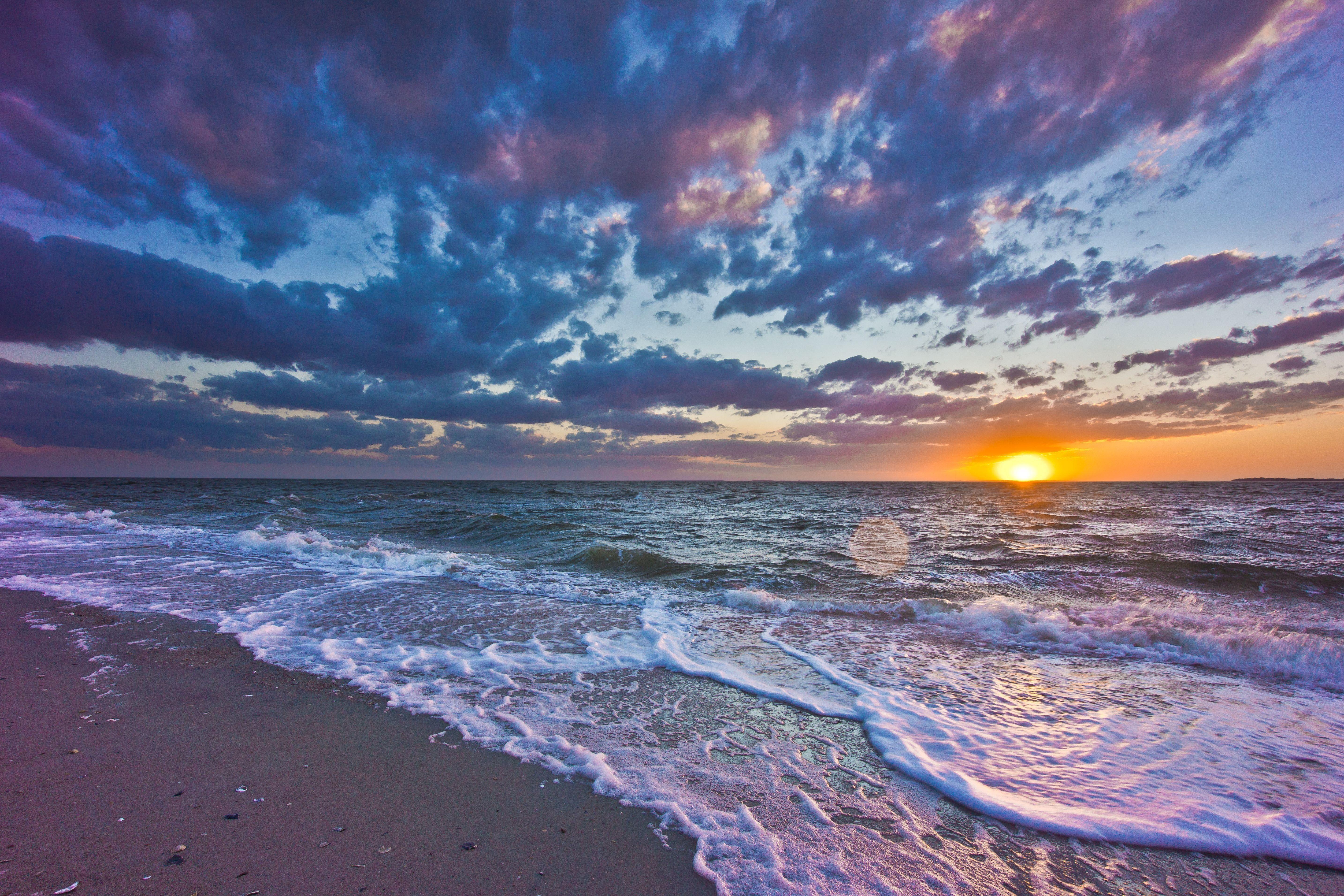
As the sun finally dipped low enough to paint the Parisian chimney pots in shades of bruised violet and copper, the great dispersion began. It was not chaotic. It was an exhalation. The rivers of people flowed backward into the Metro stations, singing old hymns in cracked, joyful harmonies that echoed off the tiled tunnel walls.
The altars were dismantled. The plastic chairs were folded and stacked. The grass beneath the parkland was left bruised and flattened by a million footsteps.
Yet something fundamental had shifted in the Parisian air. For one breathless afternoon, the city had remembered what it felt like to move as one body, bound not by ideology or commerce, but by a shared longing for grace in a weary world. The crowds faded into the twilight, leaving behind empty squares, quiet streets, and the lingering, unmistakable warmth of an overflow that could not be contained by stone or statute.