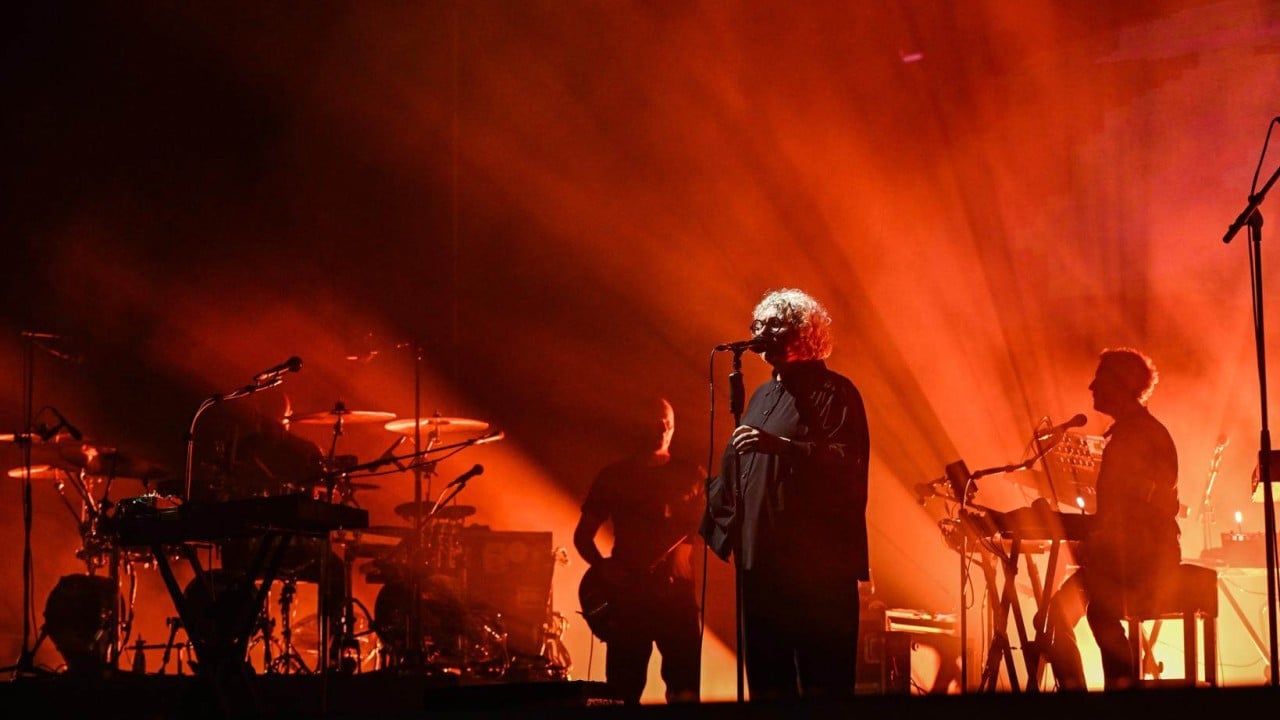
The glow of ten thousand smartphones has replaced the collective energy of the crowd. Concert etiquette is officially broken. While fans pay hundreds of dollars to experience a historic night out, they spend most of it viewing the artist through a five-inch OLED screen. Recently, high-profile K-pop acts have joined the growing chorus of performers speaking out against this phenomenon, pleading with audiences to put their phones down and live in the real world. But this tension between capturing a memory and experiencing a moment goes deeper than simple irritation. It points to a profound shift in consumer psychology and the economics of live performance.
For decades, the unwritten contract of a live concert was simple. You bought a ticket, you showed up, and you surrendered to the shared temporal experience of the room. Today, that contract is torn to shreds by the compulsion to document.
The Economics Of Attention At Major Tours
Let us look at why this happens. The modern concert ticket functions as both admission and social currency. Fans do not just want to hear the music; they need proof of attendance. Instagram stories, TikTok clips, and YouTube fan-cams serve as badges of honor. Yet, holding a device overhead creates a physical and psychological barrier.
Artists notice the shift from the stage. When a performer looks out into the first ten rows and sees nothing but black rectangles reflecting the stage lights, the dynamic changes. Performance is an exchange of energy. A musician feeds on facial expressions, raised hands, and direct eye contact. Staring at an ocean of phone cases feels like performing for a room of recording devices rather than human beings.
K-pop groups operate under some of the most intense performance standards in the music industry. Their shows involve complex choreography, rapid spatial transitions, and high vocal stamina. When idols address concert etiquette, they are protecting the integrity of the art form. They understand that a stadium full of people filming a blurry, distorted audio clip of a bridge is missing the actual execution of the craft.
Why The Phone Obsession Is Hard To Break
Psychologists call this phenomenon the experience-memory split. People believe that recording an event preserves it for the future. Research suggests the exact opposite happens. When you delegate the job of remembering to a hard drive, your brain stops encoding the memory organically.
Take a hypothetical arena tour by a major touring act. Thousands of fans record every single song. Two weeks later, those same fans watch their shaky footage, realizing the audio is blown out by bass distortion and the screen blocks half the stage. They traded a pristine, once-in-a-lifetime sensory experience for a digital file they will likely never watch twice.
Venues and management teams have tried various interventions. Yondr pouches, which lock phones away for the duration of the show, have been implemented by artists like Jack White and Bob Dylan. These measures work brilliantly for creating intimate, electric atmospheres where audiences have no choice but to engage. However, major pop and K-pop promoters rarely implement total bans. The free marketing generated by viral concert clips on social media remains too valuable to abandon.
The Breaking Point For Live Performers
Artists are tired of being background props for amateur videographers. When a band stops mid-set to admonish the crowd, it shatters the illusion of seamless entertainment. Yet, this direct confrontation is becoming necessary.
Consider the physical safety hazard as well. Tens of thousands of people holding devices at eye level create a literal wall of plastic and glass. Fans strain their necks, block sightlines, and occasionally drop expensive electronics onto people standing below.
The industry sits at a crossroads. On one side lies the hyper-monetized, highly documented concert culture where every second is broadcasted. On the other side sits the traditional ethos of live music as a sacred, unrepeatable exchange.
The solution does not lie in draconian bans that alienate younger audiences. It requires a cultural reset. Fans must realize that the artist on stage is a living person reacting to the room, not an avatar on a television screen. Until that shift happens, the glow of the smartphone will continue to cast a cold shadow over the warmth of live performance.