Diplomacy is often just a high-stakes performance of doing nothing while pretending the world is changing. The recent "bilateral consultations" between India and China regarding the Shanghai Cooperation Organization (SCO) are the geopolitical equivalent of a corporate HR meeting scheduled specifically to avoid a lawsuit. Media outlets are racing to frame this as a "roadmap" or a "thaw" in relations. They are wrong. They are falling for the lazy consensus that dialogue equals progress.
In reality, these consultations are a strategic stall tactic. While bureaucrats in New Delhi and Beijing trade pleasantries about "multilateral cooperation," the fundamental tectonic plates of Asian power are grinding toward a subduction zone that no amount of subcommittee planning can fix.
The Multilateral Mirage
The SCO is frequently described as the "NATO of the East." This is a fundamental misunderstanding of how power functions in Eurasia. NATO is built on a foundation of shared security interests and, more importantly, a singular dominant hegemon that guarantees the checkbook. The SCO is a collection of rivals who are terrified of each other but even more terrified of being left out of the room.
When India and China sit down to discuss the SCO, they aren't building a bridge. They are measuring the distance of the chasm. China views the SCO as a vehicle for its Belt and Road Initiative (BRI)—a project India fundamentally opposes on sovereignty grounds. To suggest they are "discussing a future roadmap" is like saying a predator and its prey are discussing a dinner menu. One of them is the guest; the other is the course.
The Border Calculus Nobody Wants to Admit
You cannot talk about the SCO without talking about the Line of Actual Control (LAC). Every "successful" diplomatic meeting is framed as a step toward de-escalation. I have watched these cycles play out for decades. The pattern is always the same: a tense standoff, a "landmark" meeting, a vague joint statement, and then a quiet reinforcement of military infrastructure on the high-altitude plateaus.
China has mastered the art of "salami slicing"—making small, incremental gains that are too minor to trigger a war but significant enough to change the map over twenty years. India's participation in these bilateral SCO talks gives China the diplomatic cover it needs to continue this process. By keeping India at the table, Beijing ensures that New Delhi remains hesitant to fully pivot toward a hardline Western alliance. It is a leash, not a roadmap.
The Economic Asymmetry
Standard analysis suggests that both nations need the SCO for regional stability to protect their economic interests. This ignores the sheer scale of the imbalance.
| Metric | China | India |
|---|---|---|
| GDP (Nominal) | ~$18 Trillion | ~$3.9 Trillion |
| Global Export Share | ~14% | ~2% |
| SCO Influence | Founding Member / Primary Funder | Accession State |
China doesn't need the SCO to be successful for China to thrive. India, however, needs the SCO to prevent itself from being encircled by a pro-China bloc consisting of Pakistan, Central Asian states, and a resurgent Russia. This isn't a "consultation." It is an exercise in damage control for New Delhi and a masterclass in regional management for Beijing.
Central Asia is the Real Prize
The "lazy consensus" focuses on the India-China border. The real story is the vacuum in Central Asia. As Russia’s attention is diverted by its western borders, Central Asian capitals are looking for a new security guarantor.
China wants to be the landlord of the Silk Road. India wants to be the alternative. But India's connectivity projects, like the International North-South Transport Corridor (INSTC), are perpetually "under development" or stalled by geopolitical friction in Iran. Meanwhile, Chinese high-speed rail and pipelines are already in the ground.
When these two giants meet to discuss the SCO roadmap, they are fighting over who gets to hold the keys to Tashkent and Astana. China is already changing the locks while India is still arguing about the color of the front door.
The Russia Factor: A Diminishing Buffer
For years, Russia served as the mediator that kept India and China from each other's throats within the SCO. That era is over. Russia is now the junior partner in the "no-limits" partnership with China.
If you think Moscow can still balance New Delhi’s interests against Beijing’s, you are living in 1998. In any SCO-related dispute, Russia will now align with the hand that feeds its defense industry and buys its discounted oil. India is increasingly isolated within an organization that was supposed to provide it with "strategic autonomy."
Stop Asking if the Talks Succeeded
The media constantly asks, "Was the meeting productive?"
This is the wrong question. A "productive" meeting for China is one where nothing changes on the ground but the international community thinks the situation is "stable." A "productive" meeting for India is one where they get to reiterate their stance on territorial integrity without being kicked out of the club.
The real question is: Why is India still playing a game where the rules are written in Mandarin?
The SCO is not a platform for Indian leadership; it is a cage designed to limit Indian alignment with the Quad (USA, Japan, Australia). Every time an Indian diplomat sits across from a Chinese counterpart to "discuss the roadmap," they are inadvertently validating a regional order that seeks to keep India contained within the subcontinent.
The Myth of Multipolarity
The SCO’s favorite buzzword is "multipolarity." It sounds democratic. It sounds fair. It is a lie.
In the context of the SCO, "multipolarity" is code for "anti-Western." China uses this sentiment to recruit members into a bloc that challenges the US-led order. India, which wants to maintain a foot in both camps, finds itself in a precarious position. You cannot be a champion of a "multipolar world" within the SCO while simultaneously relying on the US Navy to keep the Indian Ocean open.
The bilateral consultations are an attempt to reconcile the irreconcilable. India wants a multipolar Asia where it is an equal to China. China wants a unipolar Asia where it is the undisputed sun and everyone else is a planet in its orbit. You cannot build a "roadmap" between those two visions.
The High Cost of the Status Quo
Staying at the table has a cost. It creates a "stability trap." By engaging in these endless bilateral SCO rounds, India signals to its Western partners that the China problem is "manageable" through diplomacy. This slows down the decoupling of supply chains and the hardening of security pacts.
If India were to walk away or significantly downgrade its SCO participation, it would force a global realization that the Asian century is actually an era of two warring centuries overlapping. But walking away requires a level of economic risk that the current establishment in New Delhi isn't ready to stomach.
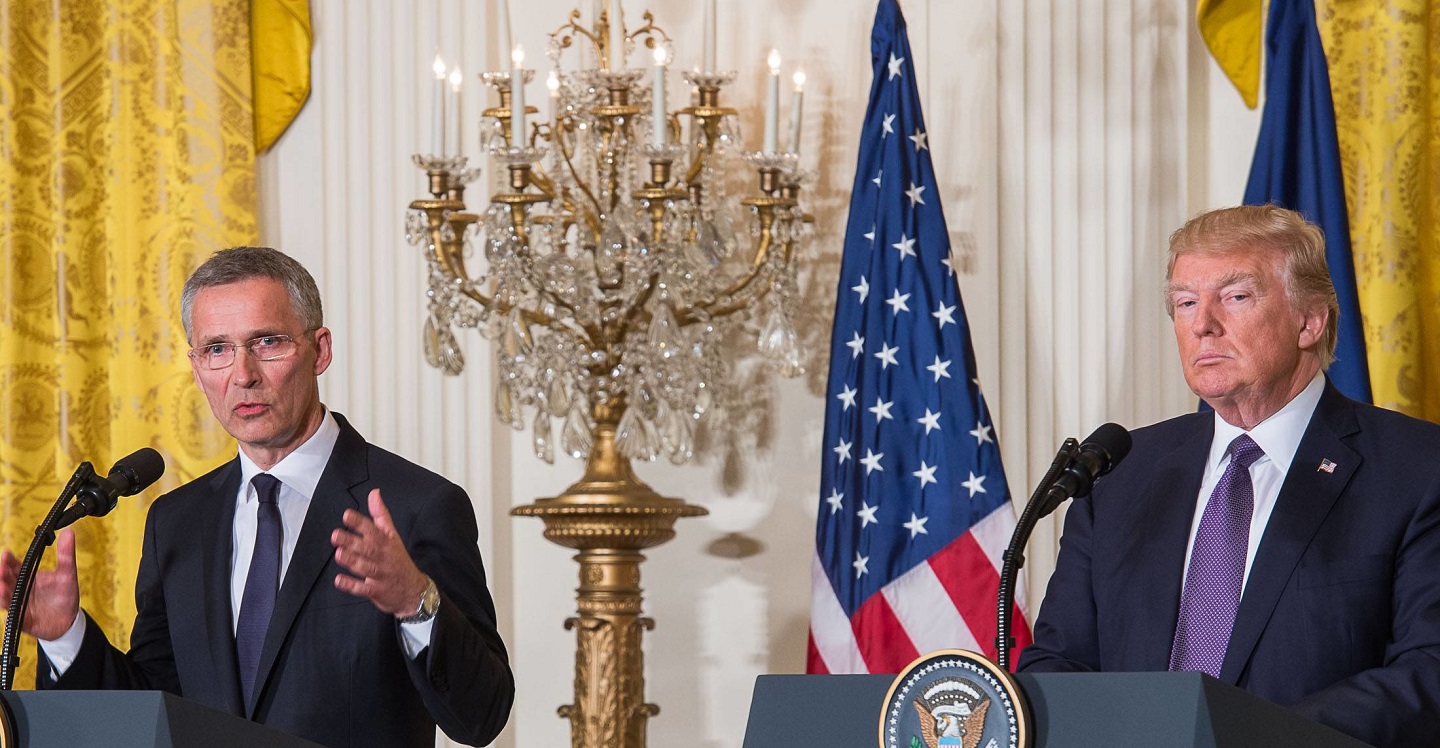
So, we get more "bilateral consultations." More photos of diplomats shaking hands in front of flags. More "future roadmaps" that lead exactly nowhere.
The next time you see a headline about India and China "discussing the SCO roadmap," understand that the road has already been paved, the tolls have been set, and China is the one holding the map. India is just a passenger trying to convince the driver to take a scenic route that doesn't exist.
Stop looking for progress in the communiqués. The real story is written in the cement of the bunkers being built in the Himalayas and the debt contracts being signed in Central Asia. Everything else is just theater.
The SCO isn't a solution to the India-China rivalry. It is the arena where that rivalry goes to hide while China wins by default.