Heading to Riyadh or Jeddah this month and assuming a normal flight schedule? Don't. Even though King Khalid International Airport in Riyadh has reopened partially, Saudi airport flight cancellations are rolling forward in messy, overlapping waves across carriers and routes.
A lot of travellers hear "Riyadh Airport is open" and figure their ticket is safe. Honestly, that's the fastest way to get stuck at the curb. Airport operations, airline risk assessments, and regional airspace advisories don't move in sync. One carrier can restart flights while another suspends the exact same city pair for weeks or months.
If you're flying to, from, or through Saudi Arabia right now, you need a clear picture of what's actually running, why schedules keep shifting, and how to protect your trip before you pack a bag.
What Is Actually Happening With Saudi Airport Flight Cancellations
Regional security developments and Gulf airspace tensions have turned Saudi aviation into a patchwork of partial restarts, reroutes, and extended suspensions. Instead of a single blanket shutdown across the kingdom, disruptions vary sharply by city, terminal, and airline.
King Khalid International Airport in Riyadh (RUH) has been operating with partial resumptions and terminal restrictions, handling domestic services through Terminal 1 and international services through Terminal 2 while individual airlines adjust or suspend flights. Meanwhile, some carriers have shifted certain Riyadh operations to Qassim Airport (ELQ), leaving passengers to bridge the gap by road or bus.
King Abdulaziz International Airport in Jeddah (JED) remains open for domestic and international traffic, yet it still sees knock-on delays and carrier-specific cancellations—especially on routes tied to Riyadh and Dammam or affected by longer-haul routing changes. King Fahd International Airport in Dammam (DMM) has operated following earlier disruptions, though several international airlines have kept suspensions in place on Dammam routes. Prince Mohammad bin Abdulaziz International Airport in Madinah (MED) and southern airports like Abha (AHB) have also seen selective suspensions and schedule shifts.
Here's a detail many flyers miss: a flight can show up as "bookable" or listed on a broad timetable while still being cancelled or rerouted at the operational level. Airline schedules during regional security events change day by day, sometimes hour by hour.
Why One Airline Flies While Another Cancels
You might see one airline land in Riyadh on Tuesday and another cancel to Riyadh through January. That isn't random.
Each airline weighs its own crew duty rules, aircraft positioning, insurance coverage, and safety bulletins. Aviation regulators and safety bodies—such as the European Union Aviation Safety Agency (EASA) through its conflict-zone advisories—issue risk guidance on Gulf and regional airspace that airlines interpret alongside internal security reviews.
Short-haul regional carriers often adjust quickly when local conditions shift, whereas long-haul international airlines frequently extend suspensions weeks or months ahead so they aren't stranded with out-of-position planes and crews. When a long-haul route gets pushed into December, January, or even March, it's usually about network stability and risk management rather than a total lock on the airport's runway.
Key Airline Suspensions and Resumptions to Watch
Because airline notices have been updated frequently throughout November 2026, always verify your exact flight number before leaving for the airport. Still, recent carrier advisories highlight how uneven the picture looks across major networks:
- Gulf and Saudi carriers: Riyadh Air has noted suspensions to certain destinations through November 30, 2026, with select routes like Dubai and Manila listed for resumption around November 22 and Jakarta around November 23, while connecting flights have faced cancellations until further notice. flynas has announced partial resumption of operations at Riyadh Airport, while flyadeal has shifted selected Riyadh services to Qassim Airport with bus transfers. Etihad Airways and flydubai have extended cancellations on several Saudi routes including Riyadh and Dammam into late November, while Air Arabia has continued operating selected Saudi routes while cancelling others. Qatar Airways has resumed daily flights to Riyadh and Dammam while keeping services to places like Abha and Taif suspended.
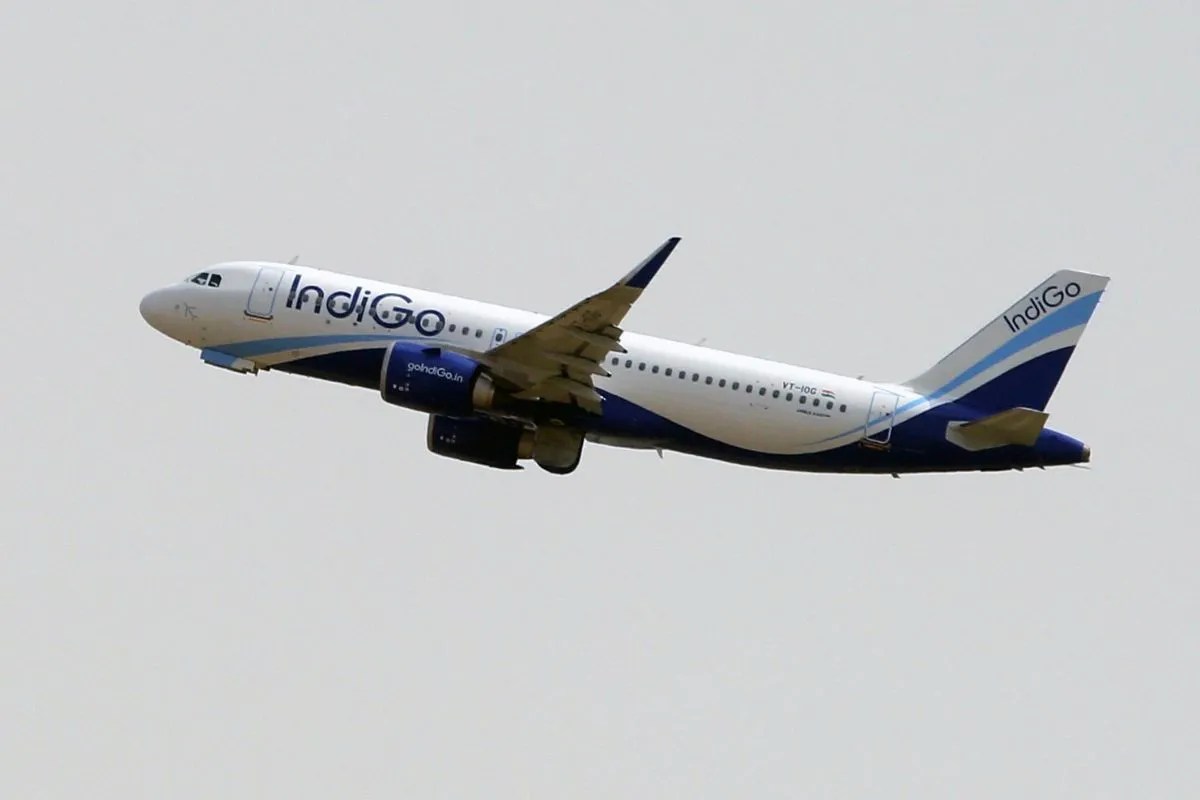
- Indian carriers: Air India and Air India Express extended suspensions to and from Riyadh and Dammam through November 30, 2026, and to Jeddah through November 21, 2026. IndiGo announced extensions for Jeddah and Madinah through November 21, 2026, and for Riyadh and Dammam through November 30, 2026. Akasa Air suspended Riyadh and Jeddah services through November 30, 2026.
- European, Asian, and North American carriers: Several long-haul airlines have pushed suspensions well beyond November—including KLM into late December 2026, Air France into December 2026 or early January 2027 depending on the update, British Airways to January 11, 2027, ITA Airways to January 7, 2027, and Cathay Pacific to January 31, 2027. Philippine Airlines extended Riyadh cancellations to November 29, 2026, Scoot cancelled Singapore–Jeddah flights to December 2, 2026, and planned route launches or resumptions by carriers like Singapore Airlines and Delta Air Lines have been pushed to 2027.
Notice the pattern? Even within the same airline, Jeddah might be running while Riyadh is suspended, or a direct flight might be cancelled while a partner connection is offered.
Diverted Airports and Ground Transfers
When Riyadh flights shift to Qassim Airport (ELQ) or travellers route through Jeddah or Madinah instead, the airport code on your ticket stops being a minor detail.
Driving or taking a bus between Qassim and Riyadh adds real travel time, heat or fatigue, and border or checkpoint considerations if you're crossing between cities or countries. Intercity trains, buses, and road travel inside Saudi Arabia can help bridge gaps when flights are cancelled, yet you have to factor in transfer logistics, luggage limits, and local travel advisories.
Mistakes Travellers Make During Airspace Disruptions
I've watched smart, seasoned flyers get burned during regional airspace shake-ups because they rely on old habits. Most of the headaches come down to four avoidable missteps.
First, people trust third-party booking sites over the operating airline's direct status page. During rolling cancellations, third-party portals can lag behind airline schedule changes or still display flights that have been pulled.
Second, travellers assume travel insurance automatically covers every type of disruption. Many standard policies have exclusions or specific rules around war, civil unrest, government advisories, or known events once a warning is public. Always read your policy wording carefully and keep written proof of any cancellation or schedule change.
Third, flyers forget about checked bags after a sudden cancellation or diversion. If your flight was cancelled mid-disruption or diverted to another airport, bags don't always follow you automatically. Carriers like Riyadh Air have set up specific baggage recovery workflows for bags left behind during disruptions, so don't walk away without logging a claim or checking recovery instructions.
Fourth, people ignore government travel advisories until they're already at the gate. Countries such as the UK, Australia, and Canada have issued varying levels of advisories regarding Saudi Arabia or specific airports and routes, which can affect both safety and insurance coverage.
Practical Next Steps Before You Fly
If you have a trip coming up or you're trying to get home right now, take these concrete steps today:
- Pull up your booking directly with the operating airline. Enter your passenger name record (PNR) on the airline's website or app—not just a travel agency portal—and verify both your flight number and departure/arrival airport code (for example, checking whether Riyadh is actually RUH or shifted to ELQ).
- Use the airline's waiver and rebooking rules early. Many carriers offer fee-free date changes, rerouting, or refunds within specific travel windows when flights are suspended. If you booked through a travel agent, contact that agent directly so your ticket doesn't get stuck in limbo between systems.
- Save every notice, receipt, and itinerary change. Screenshot cancellation messages, keep airline emails, and hold onto receipts for alternate transport or accommodation if you need to submit a claim or request reimbursement.
- Check official advisories and ground backups. Review your home country's travel advisory and confirm whether rail, bus, or an alternate Saudi gateway makes more sense than waiting on a fragile connection. Above all, don't head to the airport on hope alone—confirm your flight is operating first.