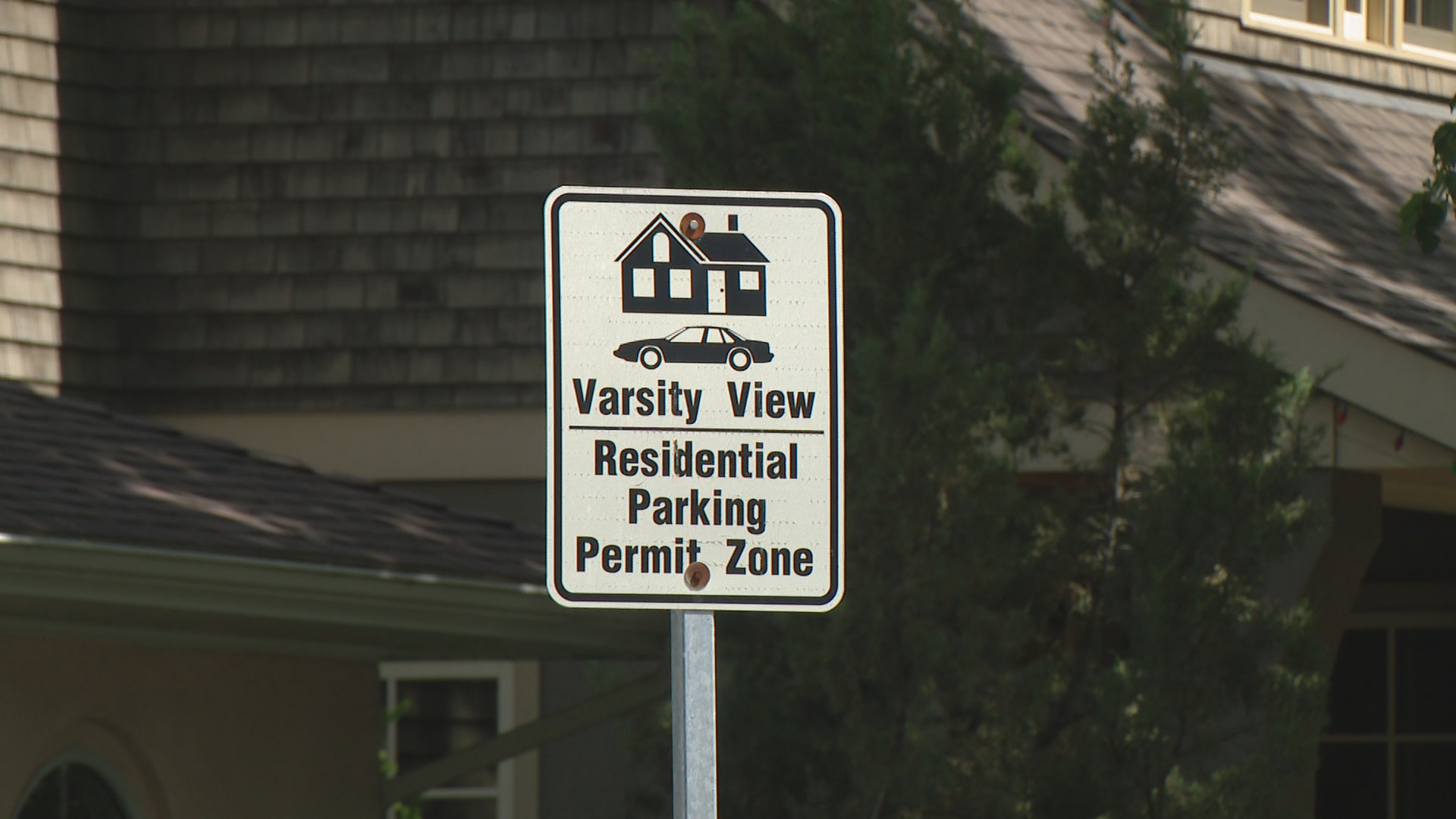
Saskatoon is eyeing a massive shakeup for neighbourhood street parking, and it's hitting core communities right in the wallet. If you live in areas like City Park or Varsity View, you're probably used to paying a nominal annual fee to ensure commuters don't hog the space right outside your front door. That long-standing perk is about to get significantly more expensive.
The city is currently wrapping up a comprehensive review of its Residential Parking Program (RPP). The core issue is simple. The program is burning through cash, and the city wants the people who use it to bridge the gap. For over two decades, the price of a residential permit has sat comfortably at $25 a year. It hasn't changed since 1999. But with operational costs soaring, City Hall is considering new pricing structures that could push that annual cost up to $100 or more per vehicle.
Naturally, the locals are furious. Residents feel they're being squeezed between a rock and a hard place. You either pay a vastly inflated fee or you give up your designated spot to random drivers looking to avoid institutional parking rates.
The Math Behind the Madness
City Hall argues that the current setup is financially unsustainable. Right now, running the residential parking program costs Saskatoon taxpayers nearly $292,000 annually. On the flip side, permit sales only pull in around $68,500. That leaves a massive deficit of roughly $223,500 that the general tax base has to absorb.
According to Matt Grazier, Saskatoon’s community standards director, general inflation isn't the only culprit. The equipment used to monitor these zones has grown sophisticated. Modern enforcement vehicles are now outfitted with high-tech camera systems and digital tracking tech. Toss in the rising costs of fuel and fleet vehicle maintenance, and the old $25 model falls completely flat.
To fix the bleeding, the city is weighing two distinct pricing frameworks.
- The Congestion Model: A tiered system targeting multi-car households. The first permit jumps from $25 to $75. A second permit spikes to $120, and a third hits an intense $200.
- The Flat-Rate Model: Everyone pays a uniform fee of $100 per permit, regardless of how many cars you own.
It's not just the primary resident passes facing a hike. Visitor permits are slated to double from $25 to $50 annually. Short-term daily passes for guests or contractors could jump from a pocket-change rate of $1 per day to $5 per day.
Why Varsity View and City Park Are Hurting
The pushback from local community associations is intense, and honestly, it makes total sense when you look at the geography. Varsity View sits directly adjacent to both the University of Saskatchewan campus and the Royal University Hospital (RUH). City Park faces similar pressures from downtown workers and nearby health facilities.
For decades, commuters have used these quiet residential avenues as a giant, free parking lot to escape the steep parking garage rates charged by the Saskatchewan Health Authority and the university. The RPP was designed to give residents a fighting chance to park near their own properties by placing strict time limits on non-permitted vehicles.
Clinton Ekdahl, president of the Varsity View Community Association, points out a glaring flaw in the city's logic. Residents in these character-filled, mature neighbourhoods already face some of the highest property tax assessments in Saskatoon. Now, they are being asked to shell out quadruple the price just to secure a spot on the asphalt they feel they already paid for.
Worse yet, the system isn't even foolproof. Residents regularly complain that visitors and commuters constantly abuse the current time limits anyway, meaning locals pay a premium and still end up parking blocks away from their doorsteps.
The Hidden Revenue the City Ignores
A major point of contention among critics and former city officials is the lack of transparency around ticket revenue.
The city states that enforcement operations consume a whopping 70 percent of the program's entire budget. But if enforcement officers are constantly out there with advanced camera vehicles scanning license plates, they must be handing out a substantial number of tickets.
Where does that ticket money go? Right now, it flows directly into Saskatoon’s general revenue fund rather than being funneled back into the parking program. Former city councillor Darren Hill has publicly questioned this accounting method. Critics argue that if the ticketing revenue generated directly by these specific residential zones were applied to the program’s operating budget, the deficit would shrink dramatically, potentially eliminating the need for a fee hike altogether.
The city's counter-argument is that ticket revenue is too volatile to rely on for annual budgeting. You can't accurately predict how many drivers will break the rules or when people will actually get around to paying their fines. Relying on rule-breakers to fund city administration is a risky gamble.
Next Steps for Affected Residents
This isn't a done deal yet, but the clock is ticking. The city concluded its public open houses and online surveys earlier this summer.
Administrators are currently combing through the public feedback to compile a formal list of recommendations. This final report will land on the Saskatoon City Council’s desks this autumn, where councillors will vote on the official fee increases.
If you live in an RPP zone and want to safeguard your wallet, you need to act before the autumn council sessions begin.
- Contact Your Ward Councillor: Don't let your voice get lost in an anonymous online survey. Email or call your local representative directly to share how a 300% fee increase impacts your household budget.
- Engage with Your Community Association: Groups like the Varsity View Community Association are actively organizing opposition and speaking directly to city planners. Strength in numbers matters.
- Audit Your Household Vehicles: If the city opts for the tiered congestion model, owning a second or third vehicle will get punishingly expensive. It might be time to clear out the garage or evaluate whether your household genuinely requires multiple street-parked cars before the new rates take effect.