The Tokyo policy establishment is currently engaged in its favorite pastime: hiding behind a 79-year-old piece of paper to avoid a fight. As Donald Trump demands Japanese destroyers in the Strait of Hormuz, the "consensus" among the Chiyoda elite is that Prime Minister Sanae Takaichi must "dodge the bullet." They argue that Japan’s war-renouncing Constitution is an immovable object and that entanglement in a U.S.-Iran shooting war is a strategic dead end.
They are wrong. They are misreading the law, the leverage, and the sheer existential math of 2026.
If Takaichi wants to secure Japan’s future as a first-tier power, she doesn't need to dodge the bullet. She needs to catch it, gold-plate it, and sell it back to Washington at a premium. The lazy assumption that Japan is "trapped" by Trump’s transactionalism ignores the reality that Japan is the only ally with the industrial and naval capacity to actually stabilize the global energy market.
The Constitution is a Shield, Not a Shackle
The legalistic hand-wringing over Article 9 is a performance. For decades, Tokyo has treated the Constitution as a convenient excuse for strategic lethargy. But the legal architecture has already shifted. Under the 2015 security legislation, Japan can exercise collective self-defense if a situation poses an "existential threat" to the nation.
Let’s look at the data the pacifist pundits ignore. Japan imports 95% of its oil from the Middle East. Over 70% of that flows through the Strait of Hormuz. Iran has effectively shuttered the lane. Crude prices are vertical. The Yen is cratering.
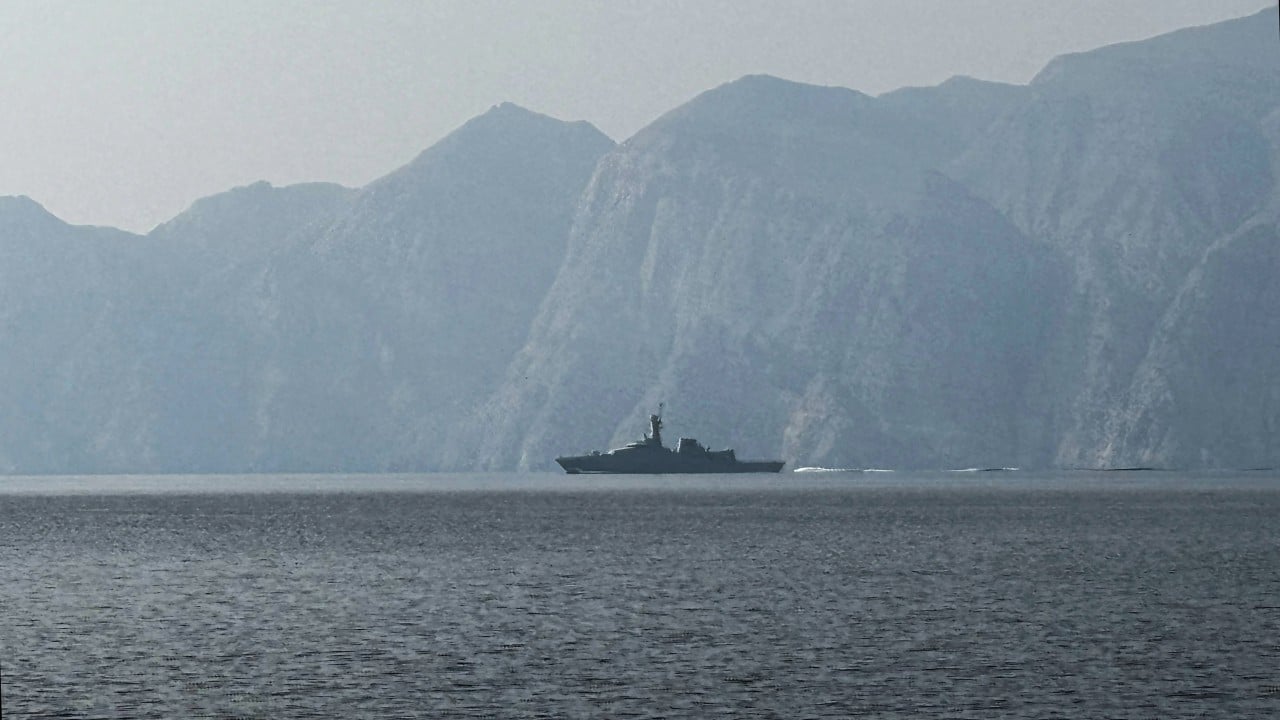
If a total energy blackout isn't an "existential threat," what is? Waiting for a foreign navy to solve a Japanese problem is not "pacifism"; it is a dereliction of sovereignty. Takaichi, a noted hawk who has already pushed the defense budget toward 2% of GDP, knows this. The "high legal threshold" is a choice, not a law of physics. By invoking a "survival-threatening situation," she can bypass the "policing operation" constraints and deploy the Maritime Self-Defense Force (MSDF) with the teeth required to actually deter Iranian mines and fast-attack craft.
The Myth of Neutrality in a Global Firestorm
The competitor narrative suggests Japan should maintain "decades of friendly relations with Tehran" to act as a mediator. This is a nostalgic fantasy.
The moment the U.S. and Israel launched strikes on February 28, the "middle ground" evaporated. Iran does not view Japan as a neutral bridge; it views Japan as a gas station for the American war machine. Staying out of the Hormuz escort mission doesn't buy Japan favor in Tehran; it only earns Japan contempt in Washington and irrelevance in the Gulf.
I’ve seen this play out in corporate boardrooms and diplomatic corridors alike: the "wait and see" approach is almost always a "wait and lose" strategy. While Japan "examines the legal framework," China is already being pressured by Trump to join the coalition. Imagine a scenario where the People's Liberation Army Navy (PLAN) secures the Strait while the MSDF stays docked in Yokosuka. Japan would effectively hand the keys to its energy security to its primary regional rival. That isn't strategic caution; it’s a surrender.
Trump’s Transactionalism is Japan’s Greatest Asset
The press loves to paint Trump’s "America First" demands as a threat to the alliance. In reality, it’s a massive opening for Takaichi.
Unlike previous administrations that demanded vague "values-based" cooperation, the current White House is running a protection racket. In business, when a monopoly provider raises prices, you don't just complain—you become a partner in the infrastructure.
By leading the Hormuz escort mission, Takaichi can demand specific, hard-coded concessions:
- Direct Energy Guarantees: Secured access to U.S. LNG and crude at preferential rates.
- Technology Transfer: Total integration into the "Golden Dome" missile defense architecture with fewer strings attached.
- Shipbuilding Dominance: Leveraging Japanese yards to repair and maintain the U.S. Seventh Fleet, turning a "security burden" into a multi-billion dollar industrial boom.
The "Plan A Plus" strategy being whispered in Tokyo—doubling down on the alliance—only works if Japan is a contributor, not just a customer. If you’re not at the table, you’re on the menu.
The Cost of Hesitation
Refining the "Status Quo" is just a slow-motion collapse. The MSDF is one of the most capable navies on the planet. Its minesweeping expertise is world-class—a legacy of clearing the very waters it now fears to enter.
Every day Takaichi waits is a day Japan pays a "hesitation tax" in the form of soaring insurance premiums for tankers and a devaluing currency. The 80-million-barrel reserve release she ordered is a band-aid on a gunshot wound. You cannot "release" your way out of a maritime blockade. You have to break it.
Takaichi has the mandate. She just won a landslide. She has the hardware. The MSDF destroyers are ready. What she lacks—and what the "dodge the bullet" crowd fears—is the political will to tell the Japanese public that the era of free-ride security is over.
Stop asking what Japan can do within the law. Start asking what Japan must do to survive. The Strait of Hormuz isn't a "difficult position" for Takaichi; it’s the forge where the new Japanese state will be hammered out.
Would you like me to analyze the specific naval assets Japan could deploy to Hormuz and how they compare to the Iranian unconventional threat?