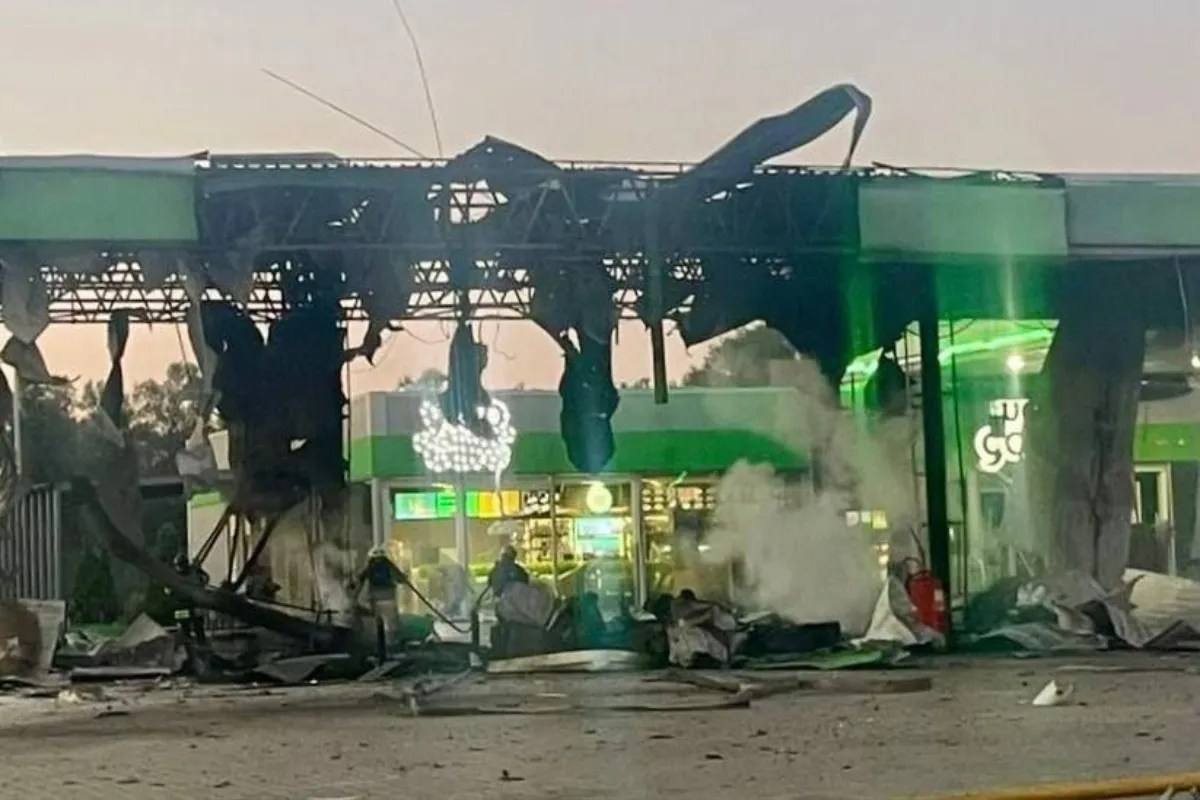
The air raid sirens in Ukraine aren't just warning people about hits on military bases anymore. Lately, the strategy has shifted squarely toward civilian infrastructure, specifically energy and fuel supply lines. A recent Russian drone strike targeted five fuel stations across Ukraine, leaving one woman dead and two others injured. This isn't a random mishap or a case of stray munitions. It's a calculated effort to choke the daily logistics that keep the country moving.
When you look at the mechanics of modern conflict, hitting a fueling station does a lot more than damage a local business. It disrupts transport, creates immediate panic, and strains local emergency services.
The Reality of Infrastructure Warfare
Moscow has increasingly relied on loitering munitions, often referred to as kamikaze drones, to strike deep within Ukrainian territory. These drones are cheap to build but costly to defend against. When five fuel stations get hit in a coordinated wave, the goal is clear. They want to create a localized fuel crisis and drain air defense resources.
The civilian toll is the most tragic part of this strategy. A civilian woman lost her life in this recent attack. Two others are recovering from injuries. It highlights a brutal truth about the current phase of the war. No asset is deemed too minor or too civilian if it plays a part in keeping the community functional.
Local authorities regularly urge residents to take air raid warnings seriously, especially those living near industrial or storage hubs. Fuel stations, oil depots, and power substations remain high-priority targets.
Why Fuel Supply Chains Matter
Logistics win or lose wars. You can't run ambulances, transport food, or move defensive equipment without fuel. By scattering strikes across multiple smaller civilian stations rather than one massive refinery, the attacks create widespread disruption. It forces emergency teams to spread their resources thin.
Dealing with fuel fires requires specialized firefighting equipment and rapid containment strategies. When multiple sites burn simultaneously, local infrastructure faces massive strain. It complicates the immediate medical response for the injured and disrupts local travel corridors for days.
If you live in or travel through these high-risk regions, keeping track of functional supply routes is essential. Diversifying supply lines, keeping vehicles fueled ahead of time, and knowing the locations of fortified shelters near major transit points are basic survival steps now. Staying informed through official regional military administration channels provides the fastest updates on active hazards and closed routes.