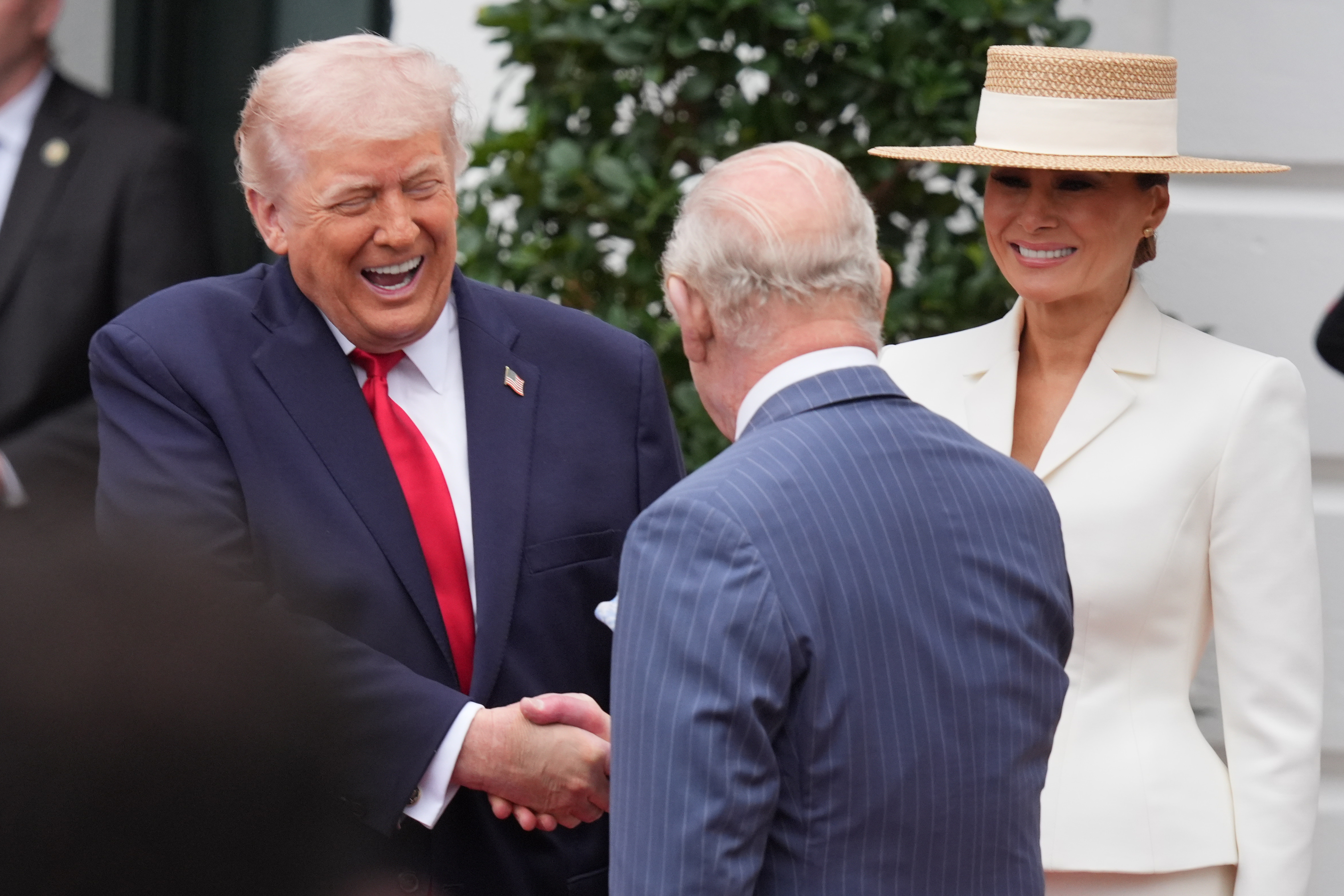
The media fawns over "royal ties" as if we are living in the eighteenth century. When a head of state welcomes a monarch, the headlines scream about historic pageantry, diplomatic warmth, and the supposed gravitas of the crown. It is a pathetic charade. These optics are not statecraft; they are professional theater designed to distract a restless public from the actual mechanics of global influence.
Treating a visit from a monarch as a "historic day" is a lazy habit of political reporting. It assumes that proximity to hereditary prestige grants legitimacy or strength to a modern administration. History tells a different story. Power in the twenty-first century is not measured by the white-glove etiquette displayed on the South Lawn. It is measured by cold, hard transactional outcomes. By focusing on the aesthetics of the reception, we ignore the reality that these meetings have become increasingly devoid of substantive policy shifts.
The Myth of Royal Soft Power
Diplomatic circles cling to the notion that monarchs act as essential conduits for soft power. They describe the monarchy as a stabilizing force, a bridge between nations that transcends the petty squabbles of elected officials. This is pure fiction.
In my years observing the inner workings of government corridors, I have watched administrations pour millions into the logistics of these state visits. They prioritize the seating charts, the state dinner menus, and the photo ops. They do this because it is easy. It is far easier to arrange a parade for a king than to negotiate a grueling trade deal or resolve a genuine geopolitical impasse.
The "royal tie" is essentially a hollow asset. If you look at the actual economic data following these high-profile royal meetings, the needles rarely move. There is no correlation between the warmth of a White House welcome and the improvement of trade balances or security cooperation. The monarchy serves as a convenient prop, a way to project an image of continuity while the underlying state apparatus struggles with actual, messy realities.
The Real Cost of Pageantry
Imagine a scenario where the White House stripped away the pomp. No flags, no gold-trimmed invitations, no televised walkabouts. If the administration dealt with visiting royals with the same clinical, bureaucratic indifference they show toward mid-level trade envoys, the results would be identical. But the media would have nothing to write about.
This is the trap. The media demands spectacle, so the White House provides it. By engaging in this theater, the executive branch effectively outsources its foreign policy narrative to the press, allowing superficial optics to dominate the public discourse. The public eats it up, equating high-society handshakes with effective governance.
I have seen talented negotiators lose their edge because they were too focused on the PR cycle surrounding a state visit. They stop thinking about the leverage they hold and start thinking about how to stay out of the "gaffe" zone during a royal audience. It is an enormous waste of intellectual capital.
Dismantling the Protocol Obsession
People often ask why we still invest so much energy into archaic protocols. The answer is not tradition; it is fear. Bureaucrats are terrified of the optics of a slight. If the wrong person is seated at the wrong time, it becomes a news cycle. To avoid that headache, the entire machinery of the State Department is diverted toward managing etiquette rather than strategy.
We need to redefine what constitutes a successful visit. A visit is only successful if it solves a specific, pre-defined problem. If the goal is simply "strengthening ties," you have already failed. Strengthening ties is a vague, unmeasurable metric that allows officials to claim victory when nothing actually happens.
If you want to know if a meeting mattered, ignore the photos. Ignore the talk of "historic bonds." Look for a signed agreement with concrete enforcement mechanisms. If those are missing, the event was a party, not a summit.
The Strategy of Irrelevance
The current obsession with royal connections creates a dangerous blind spot. By elevating hereditary figures to the center of the diplomatic universe, we signal that we value form over function. It makes our foreign policy look reactive, sluggish, and desperate for validation from institutions that have little to do with modern geopolitical threats.
Look at how emerging powers treat these interactions. They don't have the same colonial hangover that binds the West to these tired scripts. They prioritize access to energy markets, mineral supply chains, and technological partnerships. While we are busy arranging the perfect backdrop for a royal photo, others are locking in the contracts that will define the next decade of global economics.
They understand something the traditionalist establishment refuses to admit: tradition is a luxury that only the dominant can afford to ignore. And we are no longer in a position where we can afford to waste time on pageantry.
Why You Are Being Played
The spectacle is intentional. It creates a temporary feeling of national unity. It allows politicians to pose as statesmen on the world stage without having to make a single difficult decision. It is the ultimate "safe" politics.
You deserve to see the actual cost of these events. The next time you see the news cycle erupt with excitement over a royal guest, ask yourself who benefits. Is it the taxpayer, who gets a more secure country and a more stable economy? Or is it the PR department, which gets a week of positive headlines and a temporary bump in the polls?
Stop looking at the cameras. Look at the balance sheet of the relationship. When you strip away the gold braid and the historic narratives, you are left with the only thing that actually matters: who gains an advantage, and at what price?
Everything else is just a costume drama. And you are footing the bill for the set design.