Four Californians recently found themselves at the center of a public health investigation after exposure to Hantavirus Pulmonary Syndrome (HPS), a rare but notoriously lethal respiratory disease. While the news cycles often lean toward panic, the reality of Hantavirus is far more surgical. It does not sweep through cities like the flu. Instead, it waits in the quiet, dusty corners of rural cabins and mountain outposts. The alarm is warranted, but not for the reasons most people think. We aren't looking at a burgeoning pandemic; we are looking at a failure of public awareness regarding the deadly intersection of human recreation and rodent biology.
Hantavirus is a severe viral disease carried by specific wild rodents, most notably the deer mouse in the western United States. Unlike many other zoonotic diseases, it doesn't require a bite. You breathe it in. When rodent urine, droppings, or nesting materials are disturbed, the virus becomes airborne in tiny droplets known as aerosols. If you happen to be sweeping out a long-closed shed or opening up a summer cabin in the Sierras, you are effectively walking into a biological minefield.
The Biological Reality of a 35 Percent Mortality Rate
The numbers surrounding Hantavirus are grim. Since it was first identified in the Four Corners region in 1993, the case fatality rate has hovered around 35 percent. To put that in perspective, it is significantly more lethal than most strains of the plague or modern outbreaks of pneumonia. The danger lies in its stealthy onset.
The incubation period lasts anywhere from one to eight weeks. Early symptoms are deceptively mundane: fatigue, fever, and muscle aches in the large muscle groups like the thighs and back. Many patients assume they have a standard viral bug or perhaps pushed themselves too hard on a hike. However, once the "cardiopulmonary phase" begins, the shift is violent. The lungs begin to fill with fluid. Shortness of breath becomes a desperate struggle for oxygen. At this stage, medical intervention is a race against time, and there is no specific cure, vaccine, or "silver bullet" treatment.
Survival depends almost entirely on early recognition and intensive supportive care, often involving mechanical ventilation. The four individuals currently under watch represent the front lines of a recurring seasonal threat that peaks as humans move back into the wilderness during the warmer months.
The Deer Mouse Problem
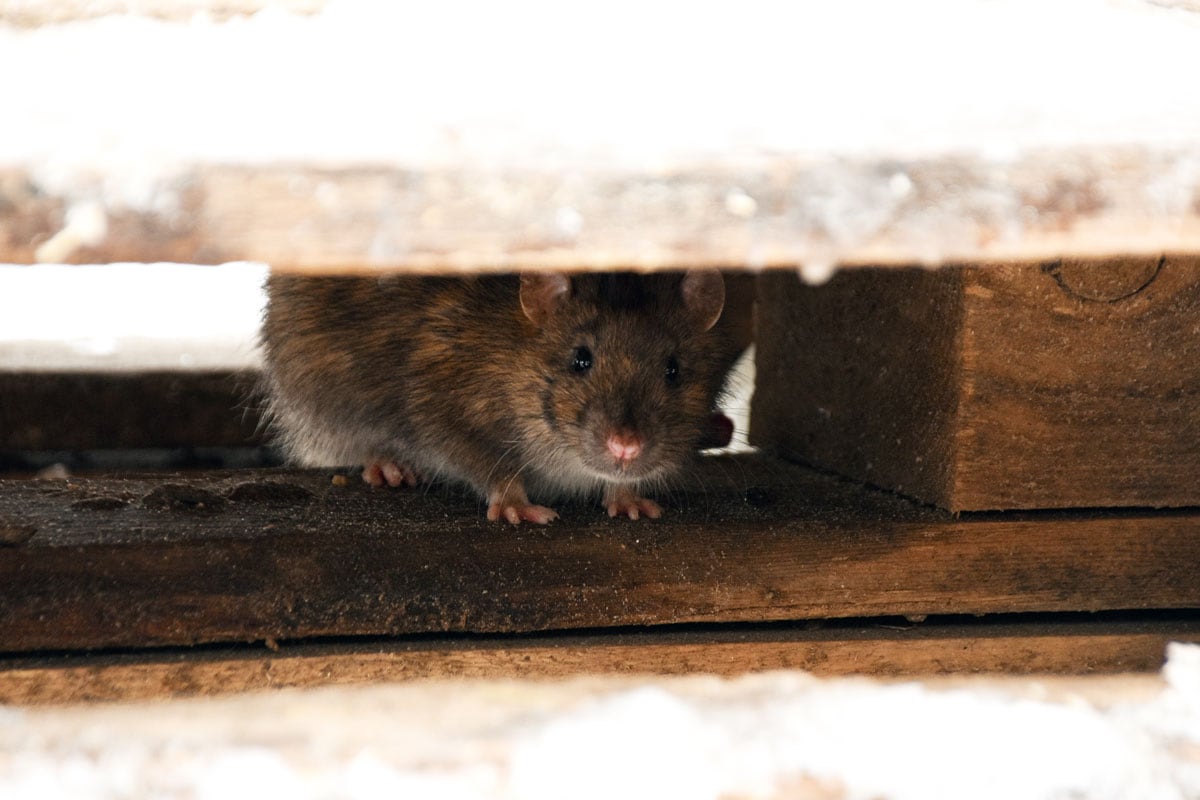
Not every mouse carries the threat. You won't find Hantavirus in the common house mouse that scampers behind your kitchen cabinets in a suburban apartment. The primary culprit is Peromyscus maniculatus, the deer mouse. They are distinguishable by their large ears, white underbellies, and white feet. They are survivors, thriving in the diverse climates of California, from the high deserts to the redwood forests.
The virus persists in these populations without making the mice sick. It is a chronic infection for them, meaning they shed the virus in their waste for their entire lives. When we see a spike in cases, it is often tied to environmental shifts. Heavy rainfall followed by a lush growing season leads to an explosion in the rodent population. More mice mean more competition for space, which pushes them closer to human structures. This isn't just a "nature" problem; it's a land-use problem.
Why the Public Health System Struggles with HPS
One of the most frustrating aspects of Hantavirus management is the lack of rapid diagnostic tools available to the average primary care physician. Because the disease is rare—usually fewer than 60 cases are reported annually across the entire United States—it is rarely at the top of a doctor's list when a patient presents with a fever.
By the time a blood test confirms Hantavirus, the patient is often already in respiratory distress. This delay is where the mortality rate finds its teeth. We are relying on a medical system built for high-volume, low-stakes illnesses to catch a low-volume, high-stakes killer.
Furthermore, the "cleaning" instinct is often what kills. A well-meaning homeowner enters a dusty garage and grabs a broom. That act of sweeping is the precise mechanism that lofts the virus into the breathing zone. Public health officials have spent decades trying to hammer home a single message: Stop sweeping. Start soaking.
The Decontamination Protocol
If you are dealing with a potential infestation in a shed, cabin, or storage unit, the standard rules of cleaning do not apply. You have to treat the environment like a biohazard site.
- Ventilation: Open all windows and doors for at least 30 minutes before entering. Let the stagnant air clear.
- The Bleach Solution: Do not use a vacuum or a broom. Instead, spray all droppings and nesting materials with a mixture of bleach and water (one part bleach to nine parts water).
- Saturation: The material must be thoroughly soaked. This kills the virus and, more importantly, weighs down the dust so it cannot be inhaled.
- Disposal: Use gloves to pick up the soaked debris, double-bag it, and wash your hands with the intensity of a surgeon.
The Geographical Shift
While the Four Corners area remains the historical epicenter, California’s geography creates unique risks. The Sierra Nevada range is a prime habitat. We see clusters of cases in places like Yosemite or the Eastern Sierra because these are locations where "rustic" living meets high-density tourism.
The risk is not distributed evenly. It targets those performing specific tasks: hikers sleeping in trail shelters, workers cleaning out barns, or families reopening seasonal properties. The four exposures currently reported are a reminder that the virus is endemic. It isn't "spreading" in the traditional sense; it has always been there, waiting for a human to disturb the wrong pile of leaves.
Beyond the Panic
Is the alarm warranted? If you live in a high-rise in San Francisco, no. If you are a property owner in Mono County or a frequent camper in the backcountry, the alarm shouldn't be about a "disease outbreak," but about your own maintenance habits.
The threat of Hantavirus is a permanent fixture of the American West. We have a tendency to forget about low-frequency risks until they reappear in the headlines. This complacency is the real danger. We treat the wilderness as a playground without acknowledging the biological realities that govern it.
The four people exposed in California serve as a proxy for a larger conversation about how we interface with the wild. We occupy their territory, and in return, we must adopt their rules of engagement. This means acknowledging that a dusty corner isn't just an eyesore—it is a potential vector.
The Reality of Recovery
For those who survive HPS, the road back is grueling. The damage to the lungs can be extensive, and the psychological toll of such a sudden, violent illness lingers. There is no long-term "chronic" Hantavirus in humans, but the physical recovery from weeks on a ventilator is a marathon.
We must stop viewing these cases as freak accidents. They are predictable events based on rodent cycles and human behavior. If we continue to ignore the basic protocols of rural hygiene, we will continue to see these "surprising" spikes in cases every few years.
The next time you see a mouse in your garage, don't reach for the broom. Reach for the bleach. Your life depends on that distinction.


