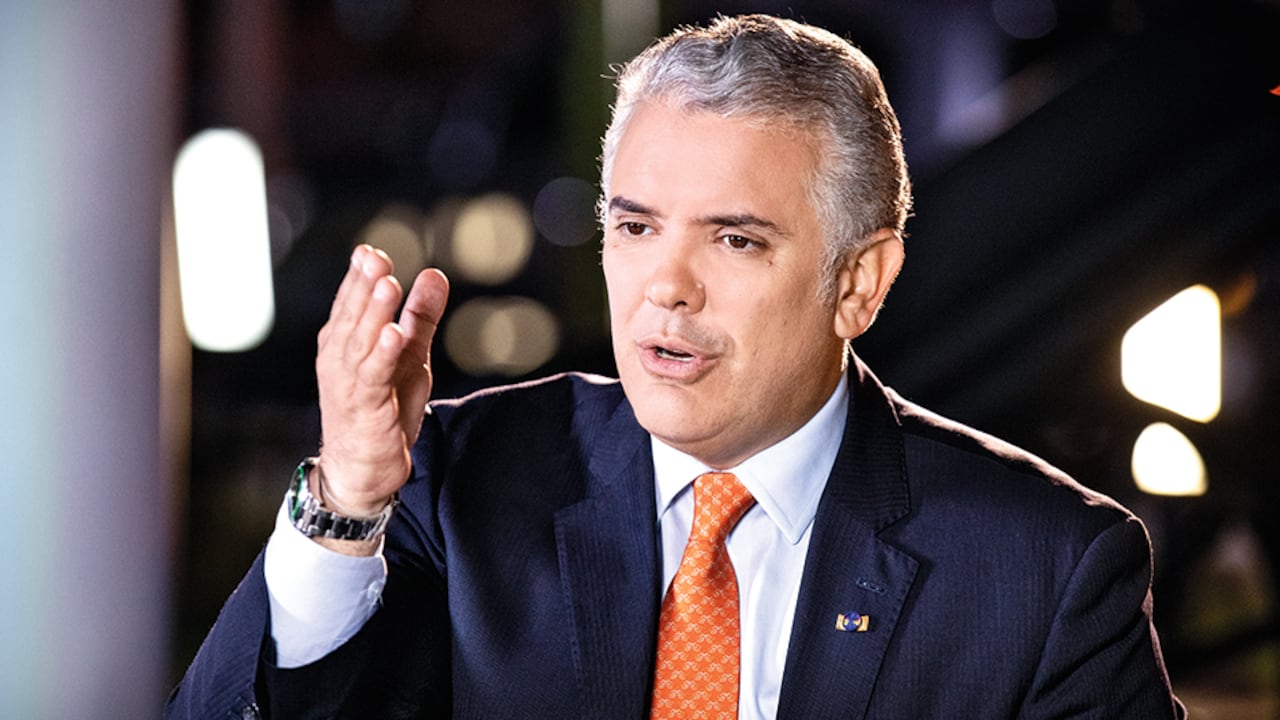
Political pressure is mounting over how local authorities plan to fund adult social care services. Conservative politician Robert Jenrick has publicly challenged Greater Manchester Mayor Andy Burnham to rule out local tax increases as a mechanism to plug funding gaps in the social care sector. The confrontation exposes a deep ideological divide concerning public spending, regional taxation powers, and the ongoing financial crisis gripping local government structures across the United Kingdom.
Jenrick argues that residents are already burdened by high cost-of-living pressures and inflation, making any additional council tax rises or regional levies unpalatable and economically damaging. Burnham, conversely, has frequently championed alternative funding routes and greater financial devolution to ensure that vulnerable citizens receive adequate care. This clash is not merely a localized squabble. It represents a national referendum on how public services are financed and who shoulders the ultimate fiscal responsibility.
The Mechanics of Social Care Funding
Local authorities bear the statutory duty of providing adult social care, encompassing support for elderly residents and adults with physical or learning disabilities. For over a decade, funding streams have struggled to keep pace with demand. An aging population means more individuals require complex, round-the-clock assistance, while hospital discharge bottlenecks place continuous strain on social care systems.
Central government grants have fluctuated, leaving councils increasingly reliant on council tax receipts. Under existing rules, local authorities can levy a specific social care precept, an additional charge added to council tax bills dedicated exclusively to funding care services.
- Council tax increases hit working households directly.
- Central grants provide stability but reduce regional autonomy.
- Alternative regional levies risk creating a postcode lottery of care quality.
When national politicians debate these mechanisms, they are arguing over who takes the blame for inevitable shortfalls. If local leaders choose not to raise taxes, service provision faces immediate cuts. If they do raise taxes, they face voter backlash at the ballot box.
Decentralization Versus Central Control
The friction between Westminster figures and regional mayors like Andy Burnham highlights an unresolved tension in British governance. Devolution was promised as a way to give local leaders the tools to solve localized problems. Yet, when those leaders attempt to use fiscal levers, national politicians often step in to block or criticize the approach.
Jenrick’s intervention frames local tax increases as a failure of fiscal discipline. From his perspective, regional leaders should find efficiencies within existing budgets rather than turning immediately to the taxpayer. Burnham and other metro mayors counter that years of austerity have trimmed away all efficiency savings, leaving bone rather than fat.
"Asking working families to pay more council tax during an economic squeeze is an admission of failure in central economic management."
This quote encapsulates the core argument from critics of regional tax hikes. However, local leaders argue that waiting for Westminster to prioritize social care is a losing battle. National priorities shift with every election cycle, whereas elderly and disabled residents need care every single day.
The Real-World Impact on Services
Behind the political posturing lies a fragile operational reality. Care providers operate on razor-thin margins, often struggling to recruit and retain qualified staff due to low wages. When councils face budget deficits, they squeeze the fees they pay to private and non-profit care providers.
This creates a domino effect. Low provider fees lead to stagnant care worker wages. Stagnant wages cause high staff turnover. High turnover diminishes the quality of care delivered to vulnerable people.
Budget Deficits -> Reduced Provider Fees -> Low Care Worker Wages -> High Staff Turnover -> Declining Care Quality
Until politicians address the structural funding shortfall rather than arguing over who has the authority to raise council tax, this cycle will persist. Jenrick's challenge to Burnham forces the issue into the open, but it offers no permanent solution to the underlying arithmetic of an aging nation.
Looking Ahead at Fiscal Reform
The debate over social care funding cannot be resolved by council tax adjustments alone. Economists and sector experts have long argued that adult social care requires a comprehensive national insurance overhaul or a dedicated hypothecated tax similar to how the National Health Service is funded. Relying on property-based council tax to fund health and social support is fundamentally regressive, placing a disproportionate burden on asset-rich but cash-poor retirees and younger families alike.
As the political maneuvering between Westminster and regional authorities continues, the pressure mounts on both sides to present a credible roadmap. Taxpayers want protection from rising bills, while care recipients and their families demand stability and dignity. Until a cross-party consensus emerges on a sustainable national funding model, regional leaders will continue to catch the falling knife of social care finance.