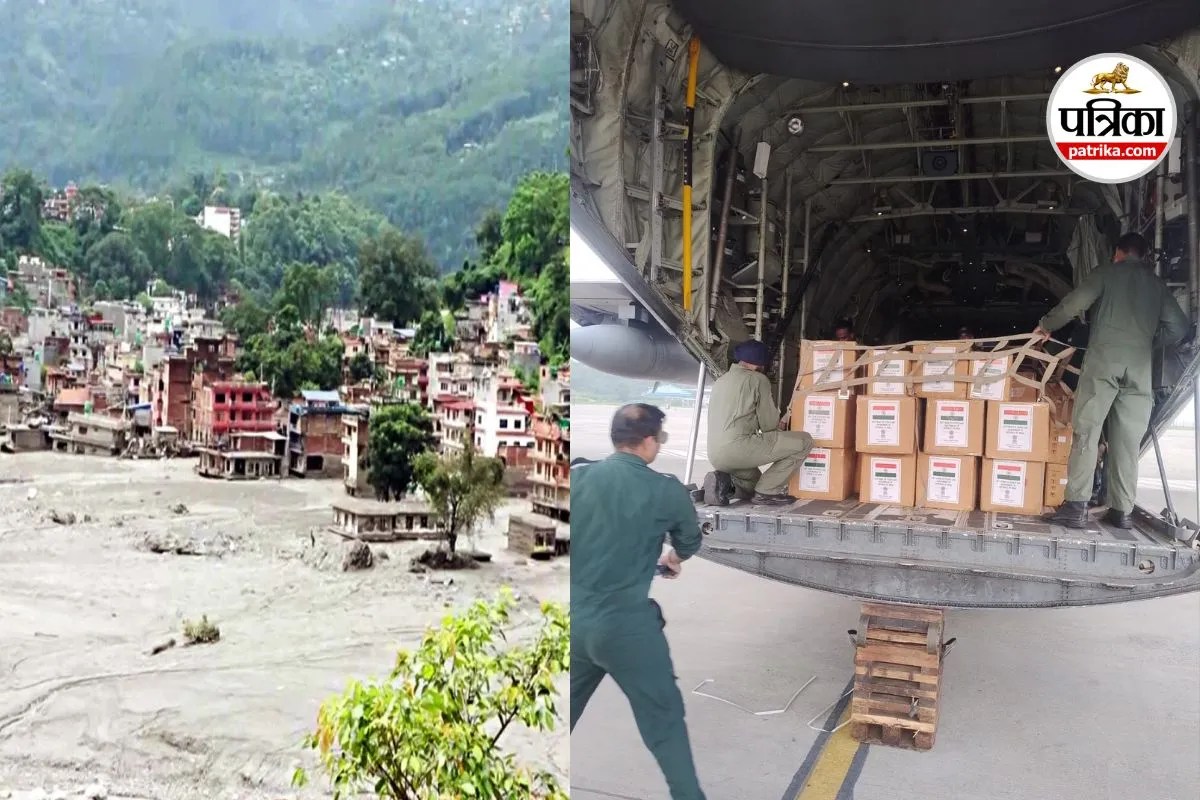
The rain did not fall; it arrived. There is a distinct difference between the gray drizzle of an autumn afternoon and the thick, prehistoric weight of a monsoon gone rogue. When the hillside above the village gave way, it did not make a sound that anyone could hear over the roar of the sky. It simply displaced the earth, sliding a mountain down into the valley like an avalanche of wet concrete.
Silence followed. Then, the water came.
Consider what happens next in a valley of stone and mud: a home built over three generations becomes a subterranean tomb in three seconds. In places like Nepal, disasters do not knock. They erase. The numbers that flicker across international news tickers—cold, flat integers detached from pulse and breath—fail to capture the sheer scale of the erasure. One thousand one hundred and twenty-seven lives, extinguished. Four thousand eight hundred and fifty-eight souls, drifting in the terrible, agonizing limbo of the missing.
Behind those figures are kitchens where tea still sits cold in clay cups. There are school notebooks buried ten feet deep beneath silt, open to math problems that will never be graded.
I remember the smell of fresh mud after a flood. It is not the clean scent of rain on dry pavement. It is heavy, metallic, and laced with the rot of uprooted pines and broken foundations. It clings to the back of your throat. It stays in your dreams for years. When a community loses nearly five thousand people to the grey currents, the statistics do not tell you about the silence that settles over the valley once the water recedes. It is a quiet so absolute that even the crows stop cawing.
For days, survivors dug with their bare hands. Fingernails torn to the quick. Palms bleeding against jagged slate and splintered teak. (I am speaking here of the physical reality of rescue work, drawn from decades of observing how ordinary people become first responders when governments are still looking at maps.) When your child is beneath five tons of debris, you do not wait for heavy machinery. You claw at the earth until your hands no longer belong to you. You dig until the mud turns red.
Then, on the horizon, a silhouette.
International aid is a complex choreography of diplomacy and logistics, often arriving with agonizing slowness. But logistics matter little to a mother standing on a patch of surviving tarmac. Yet, the fifth relief ship from India cut through the grey maritime supply lines, bringing more than just cargo. It brought rope, water purification tablets, heavy-duty pumps, and the silent, heavy reassurance that the world outside had not completely forgotten the map of the disaster zone.
Bilateral aid during a catastrophe is rarely just about supplies. It is a lifeline thrown across a chasm. When India dispatched that fifth vessel, it signaled a recognition of shared geography and shared vulnerability. Storms do not respect international borders. The rivers that swell in the high Himalayas eventually empty into the plains below, binding neighbor to neighbor in a brutal, watery covenant.
Yet, numbers like 1,127 dead and 4,858 missing represent a structural failure that goes far beyond weather. We build our settlements along ancient floodplains because the soil is rich and the ancestors lived there. We ignore the creeping encroachment of deforestation. We fail to invest in early-warning systems robust enough to scream loud enough over the howl of a category-five storm. When the infrastructure of survival is weaker than the force of the rain, tragedy ceases to be an act of God and becomes an architectural oversight.
Listen to the river now. It has returned to its banks, sluggish and brown, carrying away the remnants of homes it mistook for silt. Somewhere downriver, a rescue boat cuts through the water, its spotlight sweeping the debris for a hand, a rag of clothing, a sign of life.
The rain will return next year. It always does. The real question is whether we will build our defenses before the mountain decides to move again, or if we will simply wait for the next set of numbers to scroll across a screen, pretending we couldn't hear the earth cracking beneath our feet.
:max_bytes(150000):strip_icc()/line-app-logo-ccdacd0f7c344b3d9d4847edcb90733d.jpg)

