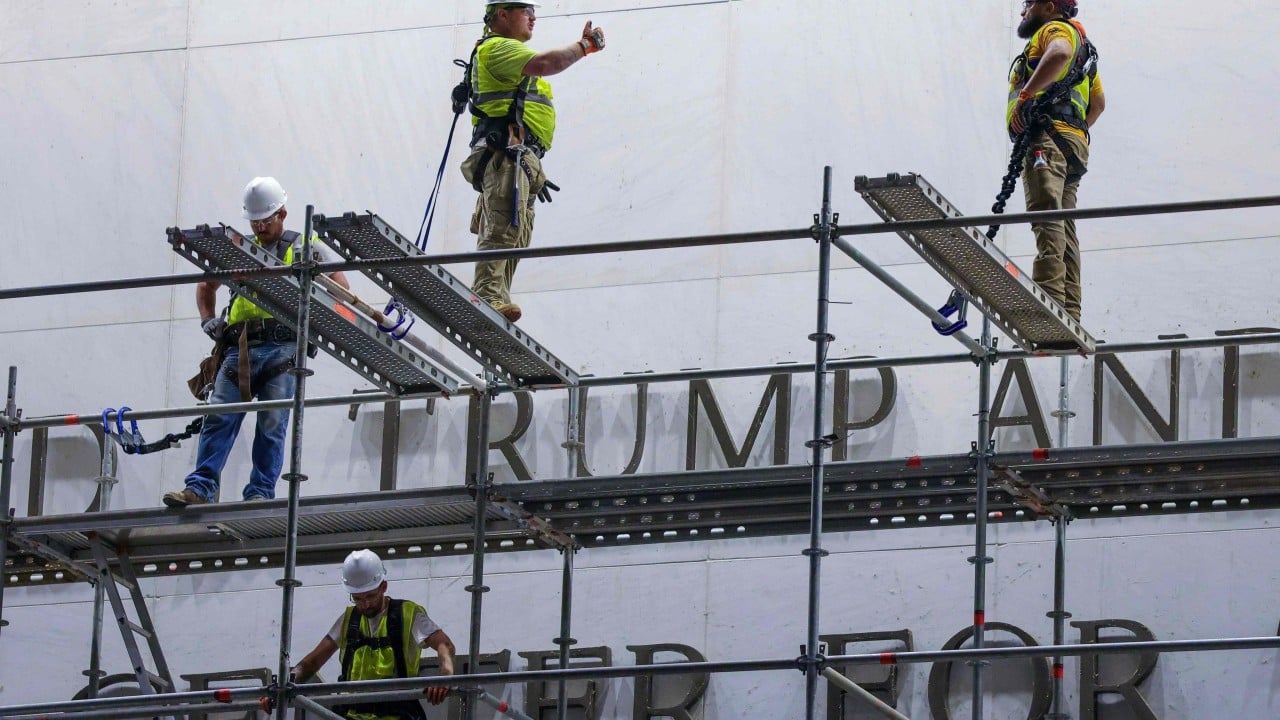
The cultural establishment is currently having an institutional meltdown over the idea of slapping Donald Trump’s name onto the John F. Kennedy Center for the Performing Arts. The lazy consensus from the media playbook is predictable: it is sacrilege, it is partisan vandalism, it spits on the legacy of Camelot.
Every single pundit missing the point is treating this like a normal political fight. It is not. It is a brilliant stress test for our ossified cultural infrastructure, and frankly, it exposes the breathtaking hypocrisy of a donor class that only cares about institutional purity when they disagree with the branding.
Let us look past the pearl-clutching and dissect what is actually happening.
The Myth of Neutral Public Real Estate
We love to pretend that our national monuments, federal complexes, and arts institutions are pristine temples of civic neutrality. They never were. They are transactional monuments funded by political survival, private ego, and shifting power dynamics.
The Kennedy Center itself was pushed through Congress in 1958 as the National Cultural Center, before being hastily rebranded in 1963 as a memorial to a martyred president by a grieving political machine desperate to cement a mythos. Naming buildings after politicians is an American tradition as old as pork-barrel spending. Yet, the moment a populist billionaire with a knack for real estate trolling floats the idea of attaching his own corporate-grade ego to the marquee, the establishment acts like democracy is bleeding out on the velvet seats.
Stop buying the marketing. Publicly funded or heavily subsidized arts venues are political footballs. They always have been.
The Hypocrisy of the Donor Class
Here is the dirty secret of how institutions like the Kennedy Center actually survive: they run on the whims of billionaires who want their names etched into marble lobbies in exchange for tax write-offs and social lubrication.
For decades, the board seats and naming rights have been parceled out to whichever corporate titan, defense contractor, or mega-donor wrote the biggest check. We accept industrialist oligarchs buying cultural cachet because they wear polite suits and whisper at cocktail parties. Trump simply says the quiet part out loud and demands the signage without the polite fiction of philanthropic altruism.
If you are upset about a Trump pavilion or a rebranded hall, you are not upset about commercialism corrupting art. You are upset about the wrong brand winning the lease.
"Institutions do not belong to the ghosts of the past; they belong to whoever is currently holding the checkbook and the political leverage."
Why This Forces a Long-Overdue Reckoning
The real reason the cultural elite are terrified of this move is not because it defaces Kennedy's memory. It is because it forces them to confront their own irrelevance.
For years, major arts institutions have drifted into a comfortable echo chamber, staging avant-garde productions for dwindling audiences of subventions-dependent elites while pretending they speak for the public. They rely on federal crumbs and elite charity to keep the lights on, insulated from market realities.
When a disruptor threatens to slap a gaudy, gold-plated neon sign over the box office, it shatters the illusion that these spaces are sacred. It reminds everyone involved that culture is downstream of power.
If the board votes for it, it proves a fascinating economic reality: survival trumps sentimentality. Arts organizations are starving. Ticket sales are down, endowment yields are volatile, and federal funding is a political football every fiscal year. If attaching a divisive, high-engagement, hyper-visible name to a building guarantees headlines, donor engagement, and a massive influx of cultural oxygen, the pragmatic board member takes the deal every single time.
The Downside Nobody Wants to Admit
Let us be completely candid about the cost of this maneuver, because contrarianism without risk analysis is just shouting into the wind.
By tying a permanent national arts institution to a polarizing modern political figure, you accelerate the partisan Balkanization of American culture. When everything becomes a team sport, neutral ground ceases to exist. If the Kennedy Center becomes Trump Center West in the cultural imagination, half the country will refuse to step foot in the lobby, regardless of what is on stage.
You trade long-term institutional trust for short-term attention and financial shock-therapy. That is a dangerous trade. It turns a civic anchor into a partisan battleground where art is no longer evaluated on its merit, but on its proximity to the current regime.
I have seen companies blow millions on rebranding efforts that chased short-term cultural buzz while alienating their core base. It rarely works out cleanly. But the Kennedy Center is not a tech startup trying to pivot; it is a monument to an era that has already passed its expiration date.
The Real Question You Should Be Asking
Instead of asking whether Trump deserves to have his name on a performing arts center, ask a much more uncomfortable question. Why do we still rely on mid-twentieth-century federal bureaucracies to dictate our national culture in the first place?
We are arguing over the wrapper of a broken product. The traditional performing arts center model is dying. Subscription numbers are ancient history, younger demographics do not care about symphony halls, and physical brick-and-mortar monuments are expensive anchors in a digital-first economy.
If a gold-plated sign is what it takes to drag these bloated dinosaurs out of their state-subsidized coma and force a national conversation about who funds, controls, and consumes our culture, then let them put the letters up in thirty-foot neon lights.
At least it will finally be honest.