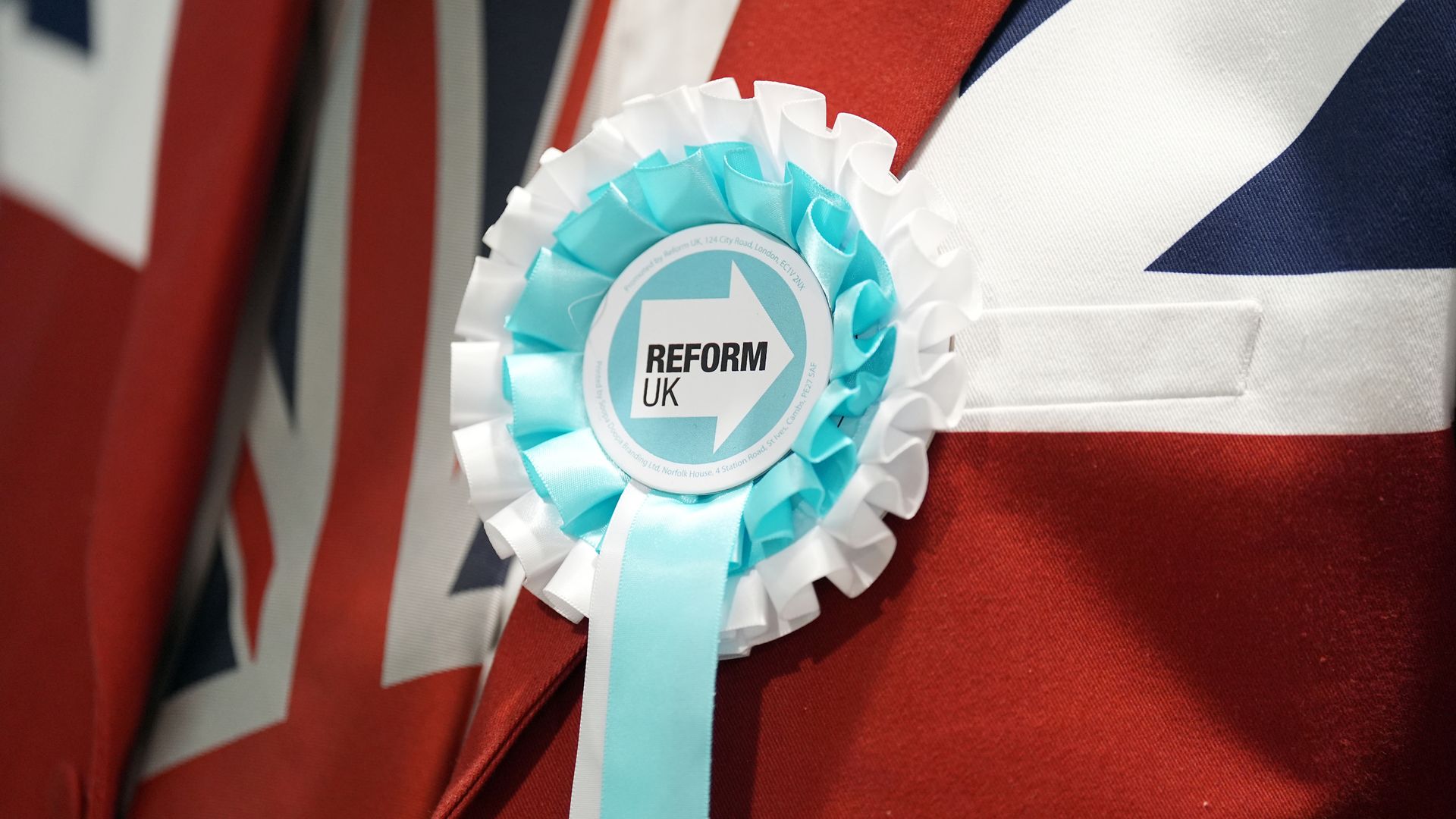
Political accountability in modern British politics often faces a peculiar test when parties investigate their own inner circles. Reform UK recently concluded an internal review clearing its advisers following a controversial undercover sting operation regarding party donations. Observers watching the unfolding drama from Westminster press boxes recognized the familiar rhythm of internal probes reaching convenient conclusions.
The controversy stems from covertly recorded footage capturing conversations about political financing mechanisms. Critics argued that the exchanges revealed questionable approaches to securing funds and navigating electoral commission rules. Rather than deferring to an independent external arbiter, party leadership opted for an internal mechanism. The outcome surprised few seasoned political analysts. The panel determined that no rules were broken, insulating key personnel from disciplinary action or legal fallout.
Internal investigations by political organizations frequently lack the structural independence required to satisfy public skepticism. When a committee composed of loyalists or appointees examines the conduct of colleagues, the incentive structure heavily favors exoneration. Transparency suffers when the entity under scrutiny also controls the scope of the inquiry and the publication of its findings.
Electoral funding laws in the United Kingdom remain a frequent battleground for loopholes and clever interpretations. Donors, intermediaries, and party officials operate within a dense framework designed to ensure visibility. Yet, investigative stings repeatedly expose the gap between statutory compliance and public expectations of ethical behavior. When undercover journalists pose as wealthy prospective backers, they test whether party representatives prioritize regulatory spirit over technical legality.
The broader implications extend far beyond a single political party or a specific media sting. Trust in institutional oversight continues to erode as political actors mark their own homework. Voters increasingly expect rigorous independent scrutiny rather than internal sign-offs that protect party branding. Without transparent mechanisms to address financial impropriety allegations, political movements risk alienating constituents who demand higher standards of integrity.
The fallout from this inquiry will likely linger as upcoming electoral cycles approach. Opponents will seize upon the self-clearing verdict to paint the party as defensive and opaque. Meanwhile, defenders will maintain that the sting operation relied on selective editing and entrapment tactics designed to generate sensational headlines. The fundamental tension between political survival and genuine accountability remains unresolved. As scrutiny intensifies, the public is left to weigh the findings of an internal committee against the persistent questions raised by covertly recorded reality.


